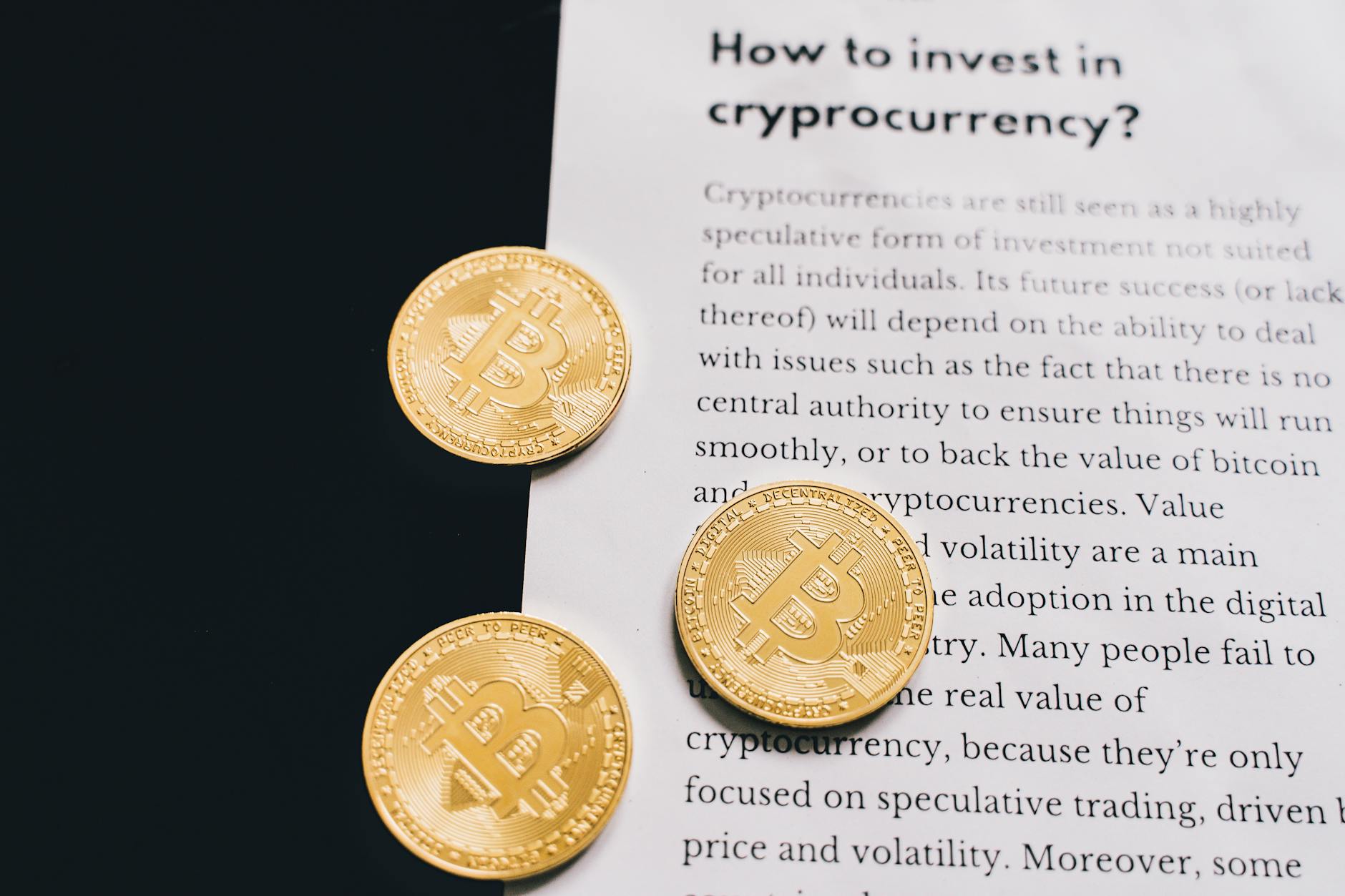
The Beginner's Guide to Cryptocurrency Without Losing Your Shirt
Here's something that'll wake you up: 95% of crypto beginners lose money in their first year. The other 5%? They're not crypto wizards or have some secret insider knowledge.
They just stuck to a few basic rules that kept them from making the same costly mistakes everyone else makes. You know, like thinking they can day-trade Bitcoin after binge-watching crypto YouTube for a weekend. Or dumping their entire savings into DogeCoin because Elon posted a dog meme.
If you're sitting on the sidelines watching your friends either strike it rich or go completely broke, this guide will show you how to join the smart 5%. No lottery ticket mentalities. No casino behavior. Just a practical approach to cryptocurrency that won't have you surviving on instant noodles for months.
Disclaimer: Cryptocurrency is highly volatile and risky. This is educational content, not financial advice. Never invest more than you can afford to lose.
What Is Cryptocurrency Really?
Strip away all the fancy tech talk for a second. Think of cryptocurrency as digital cash that exists purely online instead of sitting in banks.
Just like you can fire off an email to someone across the globe without involving the postal service, you can send Bitcoin to anyone without banks getting in the middle. The "crypto" part just means it's protected by incredibly complex math that makes counterfeiting or theft nearly impossible.
The big difference? No government or corporation pulls the strings. It's basically having physical cash that works perfectly on the internet.
Why Should You Care About Crypto in 2026?
Your boring savings account throws you maybe 0.5% interest annually. Meanwhile, smart cryptocurrency approaches can pull 5-15% returns per year. That's your $1,000 becoming either $1,005 or $1,150 after twelve months.
But here's what really matters: huge companies like Tesla, Microsoft, and PayPal now take cryptocurrency as payment. Entire countries like El Salvador made Bitcoin their official currency. This technology isn't disappearing anytime soon.
Pro tip: Don't let FOMO drive your wallet decisions. The perfect time to learn crypto was a decade ago. The second-best time is right now, but only with a solid plan.
How Much Money Do You Need to Start?
Most guides completely mess this up. You absolutely don't need $10,000 to dip your toes into cryptocurrency.
You can start with $10-50, depending on where you live. In countries like Nigeria, Kenya, or the Philippines, you might begin with even less thanks to lower minimum purchases on local exchanges.
The golden rule: never risk more than you'd happily lose at a blackjack table. If losing $100 would wreck your entire month, start with $20 instead.
The 5% Rule That Saves Beginners
Only put 5% of your extra monthly income into cryptocurrency when starting out. If you've got $500 leftover each month after covering bills and savings, invest $25 in crypto.
This prevents you from making emotional decisions when prices go absolutely bonkers. And believe me, they will go bonkers regularly.
Which Cryptocurrency Should You Buy First?
This is exactly where beginners crash and burn. They spot headlines screaming "ShibaMoonRocket coin explodes 2000%!" and think they've found their golden ticket.
Start with Bitcoin (BTC) and Ethereum (ETH). These are basically the Google and Amazon of cryptocurrency – established, widely accepted, and way less likely to vanish overnight.
Why Bitcoin First?
Bitcoin is digital gold. It's been chugging along since 2009, survived multiple brutal crashes, and gets accepted by more businesses than any other cryptocurrency.
When crypto markets implode (and they absolutely do), Bitcoin usually drops less than the smaller coins. When things recover, Bitcoin typically bounces back first.
Why Ethereum Second?
Ethereum isn't just digital money – it's a platform where thousands of other applications run. Think of it like owning a slice of the internet itself rather than just digital cash.
Most other cryptocurrencies and apps get built on top of Ethereum, which creates constant demand for ETH tokens.
Pro tip: Stick with these two until you actually understand how crypto markets behave. Fight the urge to chase the "next Bitcoin" – I've watched thousands of "next Bitcoins" launch, and most are completely worthless now.
Where to Buy Cryptocurrency Safely
Not all crypto exchanges deserve your trust. Some have been hacked, others froze user accounts randomly, and many charge absolutely ridiculous fees.
Here are the most reliable exchanges by region:
Global Exchanges (Available Worldwide)
- Coinbase: Most beginner-friendly, higher fees but excellent security
- Binance: Lower fees, more complex interface
- Kraken: Great security, good for larger amounts
Regional Options
- Africa: Luno, Quidax (Nigeria), BitPesa
- Asia: Coinhako (Singapore), BuyUcoin (India), Indodax (Indonesia)
- Latin America: Ripio, Mercado Bitcoin, Buda
How to Choose Your First Exchange
- Check if it operates legally in your country
- Look for two-factor authentication (2FA)
- Read recent user reviews on Reddit or Trustpilot
- Start with small amounts to test the platform
Pro tip: Avoid exchanges promising unrealistic returns or asking you to recruit friends. These are always scams.
Setting Up Your First Crypto Account
I'll walk you through setting up Coinbase since it's the most beginner-friendly option:
Step 1: Create Your Account
- Go to coinbase.com on your computer (skip mobile apps for initial setup)
- Click "Get Started" and enter your email
- Create a strong password (seriously, use a password manager like Bitwarden)
- Verify your email address
Step 2: Identity Verification
Yes, you need to provide ID. This isn't optional – financial regulations in most countries require this step.
- Upload a photo of your government ID
- Take a selfie for verification
- Wait 24-48 hours for approval
Step 3: Add Payment Method
Start with a bank account instead of credit cards. Credit card purchases often have higher fees and cash advance charges.
- Connect your bank account
- Verify small test deposits (usually takes 1-2 business days)
- Set up two-factor authentication using Google Authenticator or Authy
Pro tip: Never use SMS for two-factor authentication if you have other options. Phone numbers can be hijacked. Authenticator apps are much safer.
Making Your First Purchase
You're ready to buy your first cryptocurrency. Here's exactly how to do it without getting ripped off:
The Smart Way to Buy Bitcoin
- Log into your exchange account
- Find "Buy" or "Trade"
- Select Bitcoin (BTC)
- Choose "Market Order" for immediate purchase
- Enter the dollar amount you want to spend (not the amount of Bitcoin)
- Review fees before confirming
- Complete the purchase
Understanding Fees
Exchanges make their money through fees, and these can seriously eat into your profits:
- Coinbase: 1.49% for bank transfers, 3.99% for credit cards
- Binance: 0.1% for trades
- Kraken: 0.16-0.26% depending on volume
Always check the total cost including fees before buying.
Pro tip: Use "limit orders" instead of "market orders" once you're comfortable. You set the exact price you want to pay and wait for the market to reach it. This often gets you better deals.
Should You Keep Crypto on the Exchange?
This is absolutely important: exchanges get hacked. Mt. Gox, Quadriga, FTX – billions of dollars in cryptocurrency vanished when exchanges failed.
For amounts under $1,000, keeping crypto on a reputable exchange like Coinbase is probably fine. They carry insurance and have strong security measures.
For larger amounts, you need a hardware wallet.
Hardware Wallets: Your Crypto Safe
A hardware wallet is basically a specialized USB drive that stores your cryptocurrency completely offline. Even if hackers break into your computer, they can't touch crypto stored on a hardware wallet.
Best hardware wallets:
- Ledger Nano S Plus: $79, supports 5,500+ cryptocurrencies
- Trezor Model One: $69, open-source software
- Ledger Nano X: $149, Bluetooth connectivity
Buy directly from the manufacturer, never from Amazon or eBay. Scammers sell modified wallets that steal your crypto.
How to Not Lose Money Like Everyone Else
Here are the specific mistakes that destroy 95% of beginners:
Mistake #1: Day Trading
Day trading cryptocurrency is like performing brain surgery – it looks straightforward until you actually try it. Professional traders with decades of experience and powerful computers struggle to make money day trading.
You, checking prices on your phone between work meetings, will almost certainly lose money.
Mistake #2: Buying High, Selling Low
When Bitcoin hits $60,000 and everyone's talking about it on the news, that's when beginners buy in. When it crashes to $30,000 and headlines scream "crypto is dead," that's when they panic sell everything.
This is completely backwards. The best buying opportunities happen when everyone thinks crypto is finished.
Mistake #3: Following Crypto Influencers
That Twitter account with laser eyes promising 100x returns? They're either completely delusional or trying to sell you something expensive.
Most crypto influencers make their real money from sponsorships and course sales, not from their trading advice. Honestly this surprised me when I first realized it.
Mistake #4: Chasing "The Next Bitcoin"
Every single week, someone launches a new cryptocurrency claiming it will replace Bitcoin. 99.9% of these projects completely fail within two years.
Stick with established cryptocurrencies until you deeply understand the technology and market dynamics.
The Dollar-Cost Averaging Strategy
Here's the strategy that actually works for beginners: dollar-cost averaging (DCA).
Instead of trying to time the market perfectly, you buy the same dollar amount of cryptocurrency every week or month, regardless of current prices.
How DCA Works
Let's say you decide to buy $50 of Bitcoin every month:
- Month 1: Bitcoin is $40,000, you get 0.00125 BTC
- Month 2: Bitcoin is $50,000, you get 0.001 BTC
- Month 3: Bitcoin is $30,000, you get 0.00167 BTC
Over time, you automatically buy more when prices are low and less when prices are high. This reduces your average cost and removes emotion from the process.
Setting Up Automatic Purchases
Most exchanges let you automate this process:
- Go to "Recurring Buy" or "Auto-Invest"
- Choose Bitcoin or Ethereum
- Set your amount ($25, $50, $100)
- Pick your frequency (weekly, biweekly, monthly)
- Confirm the setup
Now you're investing in crypto without having to think about it constantly.
Pro tip: Set up DCA purchases for the same day you get paid. This ensures you invest before you can spend the money on other things.
What About Taxes?
Cryptocurrency gains are taxable in most countries. Yes, even if you never convert back to regular currency.
Every time you sell, trade, or spend cryptocurrency, it's potentially a taxable event. Keep records of:
- Date of purchase
- Amount paid
- Date of sale
- Amount received
- Purpose of transaction
Tax Software That Helps
- Koinly: Connects to most exchanges, generates tax reports
- CoinTracker: Similar features, cleaner interface
- TokenTax: Good for complex transactions
Don't try hiding crypto gains from tax authorities. The technology creates permanent records, and governments are getting much better at tracking crypto transactions.
How to Spot Cryptocurrency Scams
The crypto space is absolutely packed with scams targeting beginners. Here's how to protect yourself:
Red Flags That Scream "Scam"
- Guaranteed returns: Nothing in crypto is ever guaranteed
- Celebrity endorsements: Scammers fake these constantly
- Pressure to "act now": Legitimate projects don't need urgency tactics
- Requiring recruitment: If you need to bring friends, it's a pyramid scheme
- Too good to be true: 1000% returns in a week don't exist
Common Scam Types
Fake exchanges: Websites that look like Coinbase but steal your money
Ponzi schemes: Pay early investors with new investor money until everything collapses
Pump and dump: Artificially inflate a coin's price, then sell everything
Phishing: Fake emails and websites that steal your login credentials
Pro tip: If someone contacts you first about a crypto opportunity, it's probably a scam. Legitimate investments don't need cold outreach tactics.
When to Take Profits
This is where discipline matters most. When your $100 investment becomes $500, what do you do?
Most beginners either:
- Get greedy and hold too long
- Get scared and sell everything
Both approaches usually lose money in the end.
The 25-50-25 Rule
When your investment doubles (100% gain):
- Take out 25% as profit
- Leave 50% invested
- Keep 25% as "fun money" for riskier investments
This way you've recovered half your initial investment while staying in the game.
Setting Realistic Expectations
Good annual returns in traditional investing: 7-10%
Good annual returns in cryptocurrency: 15-30%
Realistic short-term gains: Completely unpredictable
Don't expect to quit your day job from crypto gains. Think of it as a high-risk addition to a balanced financial plan.
Building Your Crypto Knowledge
The cryptocurrency world changes incredibly fast. Here's how to stay informed without getting overwhelmed:
Reliable Information Sources
News sites:
- CoinDesk: Industry news and analysis
- The Block: Technical and regulatory updates
- Decrypt: Beginner-friendly explanations
Podcasts:
- Unchained with Laura Shin
- The Pomp Podcast
- Coin Bureau (also YouTube)
Reddit communities:
- r/cryptocurrency: General discussion
- r/Bitcoin: Bitcoin-specific
- r/ethtrader: Ethereum focus
Avoid get-rich-quick YouTube channels and Telegram pump groups. These exist purely to separate you from your money.
Advanced Strategies for Later
Once you're comfortable buying and holding Bitcoin and Ethereum, you might explore:
Staking
Some cryptocurrencies pay you for holding them. It's like earning interest on a savings account, but with higher returns and higher risk levels.
Ethereum 2.0 offers around 4-6% annual staking rewards. Platforms like Lido and Rocket Pool make this process easier.
DeFi (Decentralized Finance)
Lend your cryptocurrency to others and earn interest. Platforms like Aave and Compound offer 3-8% annual returns, but smart contract risks exist.
Only explore DeFi after you understand basic cryptocurrency investing thoroughly.
NFTs and Alternative Investments
Non-fungible tokens (NFTs) represent ownership of digital items. Most are purely speculative and risky, but some have legitimate applications in gaming and digital art.
Treat NFTs like art collecting – buy what you genuinely enjoy, not what you think will make money.
Pro tip: Master Bitcoin and Ethereum investing before exploring advanced strategies. Most people lose money because they get distracted by complex opportunities before understanding the fundamentals.
What Happens When Crypto Crashes?
Cryptocurrency markets are cyclical. Bitcoin has crashed 80%+ multiple times and recovered to new highs each time afterward.
When (not if) your portfolio drops 50%, remember:
- This is completely normal in crypto markets
- Only invest money you can afford to lose
- Stick to your DCA strategy
- Don't panic sell at the bottom
The investors who make money in crypto are those who survive the crashes. The ones who lose money panic and sell everything when prices hit rock bottom.
Preparing for Volatility
- Set up price alerts, but don't check them obsessively
- Have a plan for what you'll do if prices drop 50%
- Keep some cash available to buy more during crashes
- Focus on your long-term goals, not daily price movements
Creating Your Personal Crypto Plan
Before you buy your first Bitcoin, write down:
- Your investment amount: How much can you afford to lose?
- Your timeline: Are you investing for 1 year or 10 years?
- Your goals: Building wealth, learning about technology, or hedging against inflation?
- Your exit strategy: When will you take profits?
Sample Beginner Plan
"I will invest $50 per month into cryptocurrency for the next two years. I'll split this 70% Bitcoin, 30% Ethereum using dollar-cost averaging. I'll use Coinbase for simplicity and keep my crypto on the exchange until I have $1,000, then move to a hardware wallet. I'll take 25% profits when my investment doubles and reassess my strategy annually."
Write this down and refer to it when emotions run high.
The Bottom Line
Cryptocurrency isn't a get-rich-quick scheme, but it's also not as complicated as experts pretend it is.
Start small, stick to Bitcoin and Ethereum, use dollar-cost averaging, and don't let emotions drive your decisions. Most importantly, never invest money you can't afford to lose completely.
The 5% of beginners who make money in crypto aren't lucky – they're disciplined. They have a plan, they stick to it, and they don't let fear or greed make their decisions for them.
I spent way too long learning this the hard way, so hopefully you can skip some of those expensive lessons.
Remember: This is educational content, not financial advice. Cryptocurrency is risky, and you could lose everything you invest. Do your own research and consider consulting a financial advisor.
The best investors in any market aren't the ones who never lose money – they're the ones who don't let losses completely destroy them.