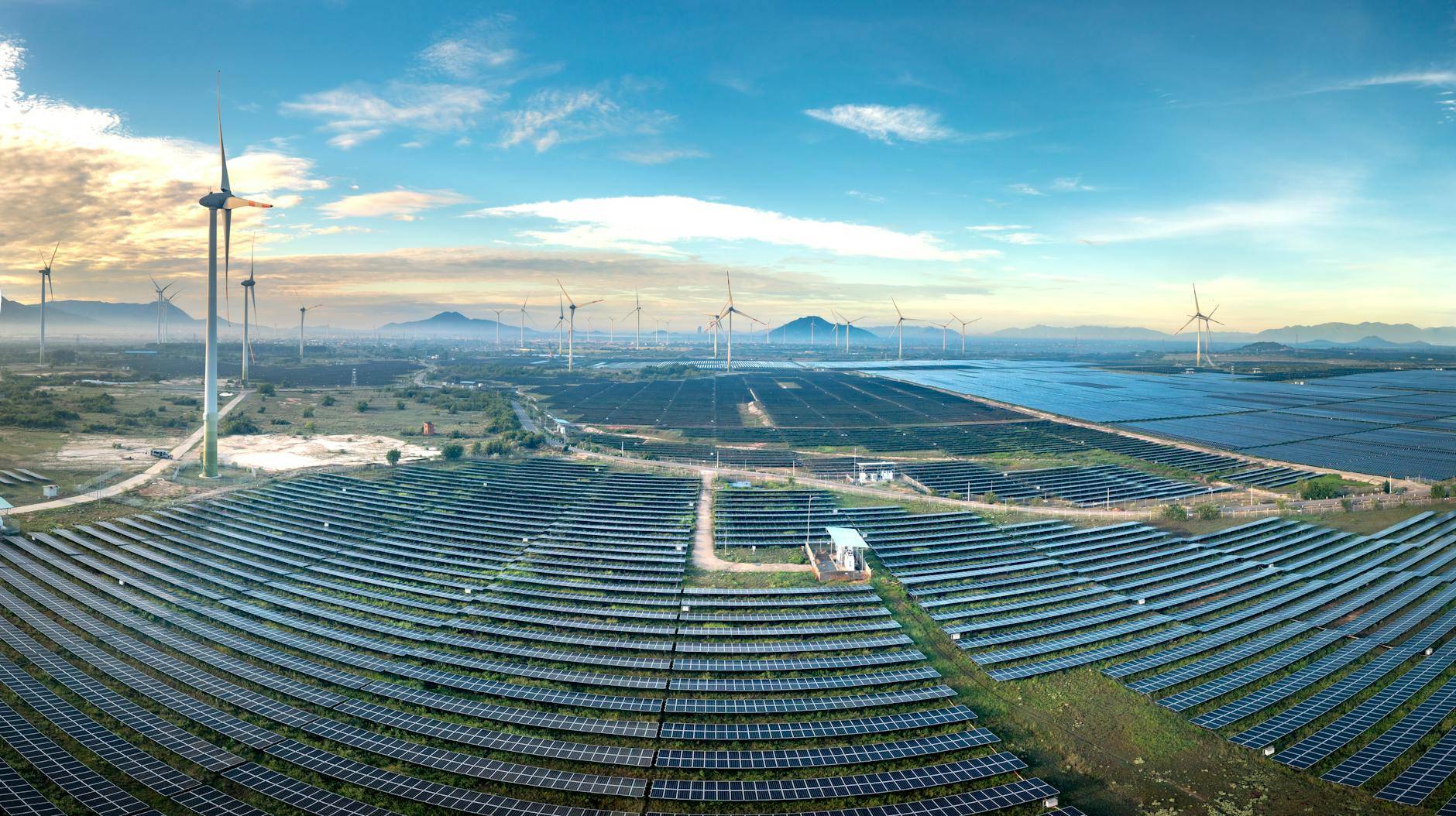
Ghana's energy future has been the subject of ambitious government targets, international development funding, and genuine private sector interest for over a decade. The country has committed to achieving 10% of its electricity generation from renewable sources by 2030 — a target that has been repeatedly restated without consistent progress toward it. Understanding what is actually happening, as opposed to what has been announced, requires separating the genuine developments from the policy statements.
Ghana's Current Energy Mix
Thermal (gas and oil): approximately 52%
Hydroelectric (Akosombo, Kpong, Bui): approximately 40%
Solar (utility-scale): approximately 5%
Other renewables: less than 3%
Ghana's installed generation capacity: approximately 5,500MW
Peak demand: approximately 3,500MW (significant excess theoretical capacity, but actual reliability affected by fuel supply and maintenance issues)
Ghana's hydroelectric capacity — the Akosombo Dam on the Volta River, Kpong downstream, and the more recent Bui Dam on the Black Volta — provides reliable baseload power when water levels are adequate. Climate change-driven variability in rainfall patterns has made hydroelectric output increasingly unpredictable, with drought years significantly reducing hydro contribution and increasing reliance on thermal generation with its associated fuel costs and import dependency.
Solar Development — The Real Progress
Utility-scale solar is the area of most genuine progress in Ghana's renewable energy transition. The 50MW Nzema Solar Power Plant in the Western Region has operated for several years and demonstrated viability. Additional projects in development or recent commissioning include solar installations in Tema, Winneba, and northern Ghana regions with superior solar irradiance.
The Renewable Energy Act (Act 832, 2011) and its subsequent amendments established a legal framework including guaranteed grid connection for renewable generators, a feed-in tariff for smaller renewable projects, and a Renewable Energy Fund. Implementation of these provisions has been inconsistent — particularly the feed-in tariff, which has not always been paid at the committed rates or on schedule — creating investor confidence challenges that have slowed private sector renewable investment below its potential.
The fundamental tension in Ghana's renewable energy development: solar and wind power have very low operating costs but high upfront capital costs. International development financing (World Bank, African Development Bank) has been critical for several projects, but project timelines consistently extend beyond initial announcements. A renewable energy project announced in Ghana should be expected to take 3–5 years longer than stated before generating electricity.
Mini-Grid Development — Electrification Without the Grid
One of the most impactful renewable energy developments in Ghana is occurring at the community level rather than utility scale. Mini-grids — small, independent solar-plus-battery power systems serving communities not connected to the national grid — are electrifying rural communities that the GRIDCO national grid has not reached and may not reach cost-effectively for decades.
The Rural Electrification Agency (REA) has partnered with private developers including Redavia, Winch Energy, and several development-finance-backed companies to deploy mini-grids in Northern, Upper East, Upper West, and parts of the Volta Region. Communities receiving mini-grid electricity for the first time report transformative effects: children studying at night, small businesses extending operating hours, cold storage becoming available for agricultural products, and health clinics operating medical equipment.
The Off-Grid Solar Market
While utility-scale renewable development proceeds slowly, the distributed solar market — household and small business solar systems — is growing rapidly driven by private demand rather than government programmes. The combination of declining solar panel costs (prices have fallen 90% since 2010), increasing ECG tariffs, and persistent load shedding has created a financial case for household solar that drives investment without subsidy.
The Honest 2026 Assessment
Ghana's renewable energy transition is real but slower than officially projected. The targets are achievable eventually — Ghana's solar resource is genuinely excellent and costs continue to fall — but the combination of energy sector debt (GNPC and ECG financial challenges), policy implementation gaps, and the complexity of transitioning an existing grid make 2030 targets increasingly unlikely to be met in full. The more realistic picture is a gradual, market-driven increase in distributed solar, continued mini-grid rural electrification, and utility-scale projects proceeding at 2–3x their announced timelines.
For individuals and businesses, the practical implication is the same regardless of the macro trajectory: investing in household solar now provides immediate returns through reduced electricity costs, reduced generator dependence, and increased energy security — without waiting for the grid transition that national policy promises but delivery timelines cannot guarantee.