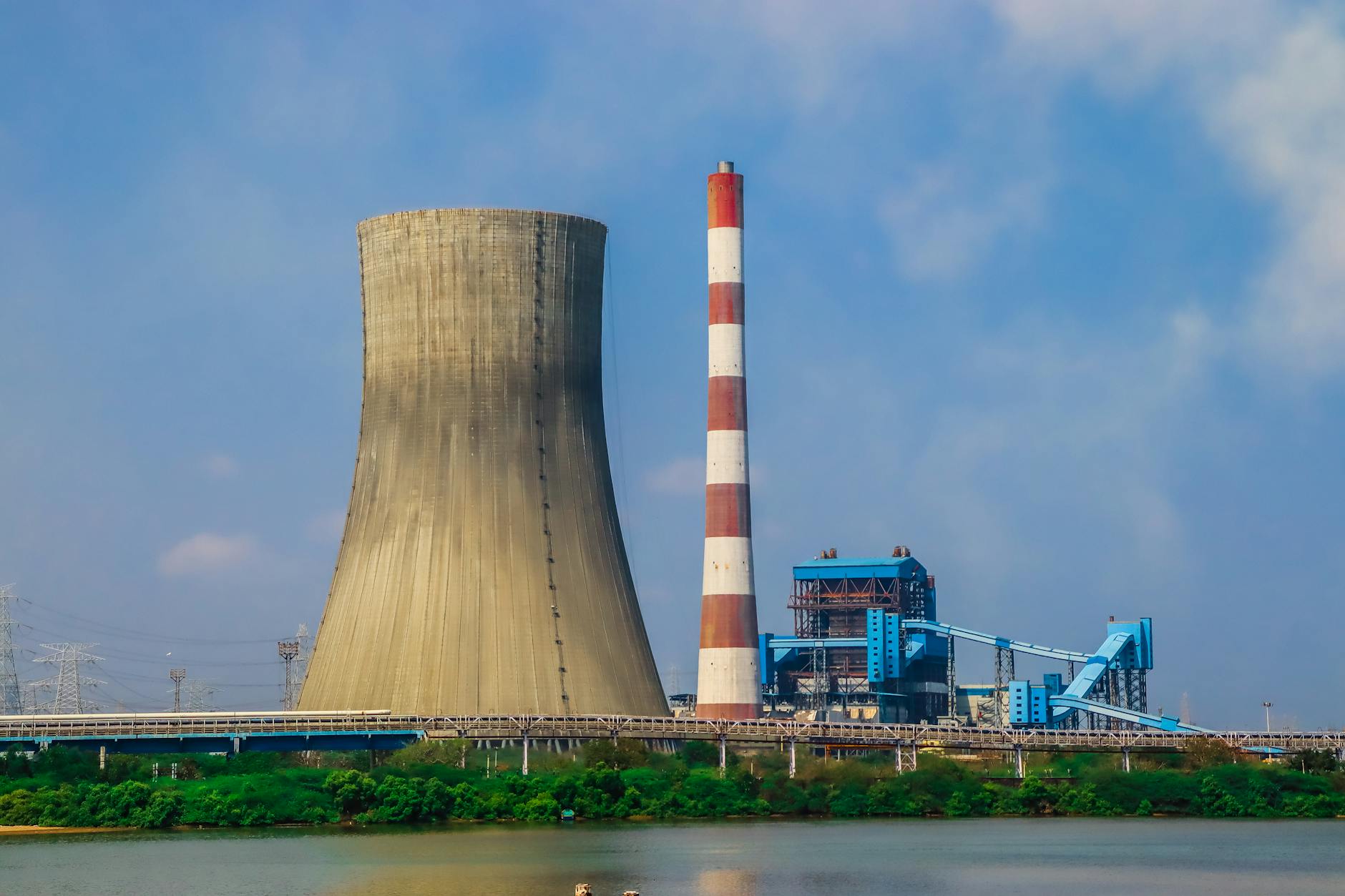
President John Dramani Mahama has announced ambitious plans to construct a massive 1,200-megawatt power generation facility, marking Ghana's most significant energy infrastructure investment in recent years. The announcement came during a citizen engagement forum on Saturday, May 2, where the President outlined his administration's strategy to tackle the country's rapidly growing electricity demand.
What particularly notable about this development is the sheer scale of demand growth Ghana is experiencing. The President revealed that peak electricity consumption has surged from approximately 3,500 megawatts when his administration began to roughly 4,300 megawatts currently. That represents a 23% increase driven primarily by rising investment and expanded economic activity across the country.
Strategic Buffer Against Power Disruptions
The planned facility represents more than just meeting current demand. Mahama emphasized that the new power plant will create essential redundancy within Ghana's electrical grid system, preventing the kind of supply disruptions that have historically plagued West African nations.
This redundancy is essential for maintaining a stable power grid, especially as demand continues to grow
I find this approach particularly smart. Rather than constantly playing catch-up with demand, Ghana appears to be getting ahead of the curve. The Ministries responsible for energy and finance have already developed a comprehensive roadmap for implementation, suggesting this is not just political rhetoric but a concrete plan with technical and financial backing.
Regional Export Opportunities
Beyond domestic consumption, President Mahama indicated that surplus electricity from the facility could be exported to neighboring countries, specifically mentioning Burkina Faso. This regional approach makes economic sense and aligns with broader West African energy cooperation initiatives.
The export potential transforms this from purely a domestic infrastructure project into a revenue-generating asset. Given the energy challenges facing several West African nations, Ghana could position itself as a regional power hub.
Implementation Timeline
Work on the project is expected to begin later this year, with preparatory steps already underway. The accelerated timeline suggests the government recognizes the urgency of addressing the growing energy gap before it becomes a constraint on economic growth.
This announcement comes at a crucial time for Ghana's industrial and commercial sectors, which have been driving the increased electricity demand. The country's economic recovery efforts depend heavily on reliable power supply, making this infrastructure investment critical for sustained growth.
The 1,200-megawatt facility represents a significant step in modernizing Ghana's energy infrastructure. If executed successfully, it could serve as a model for other African nations grappling with similar demand growth challenges while pursuing industrial development goals.