Ghana has taken a bold step away from the tired practice of fining telecom operators, instead forcing them to invest directly in infrastructure that consumers can actually feel. This is the kind of policy thinking Africa needs more of.
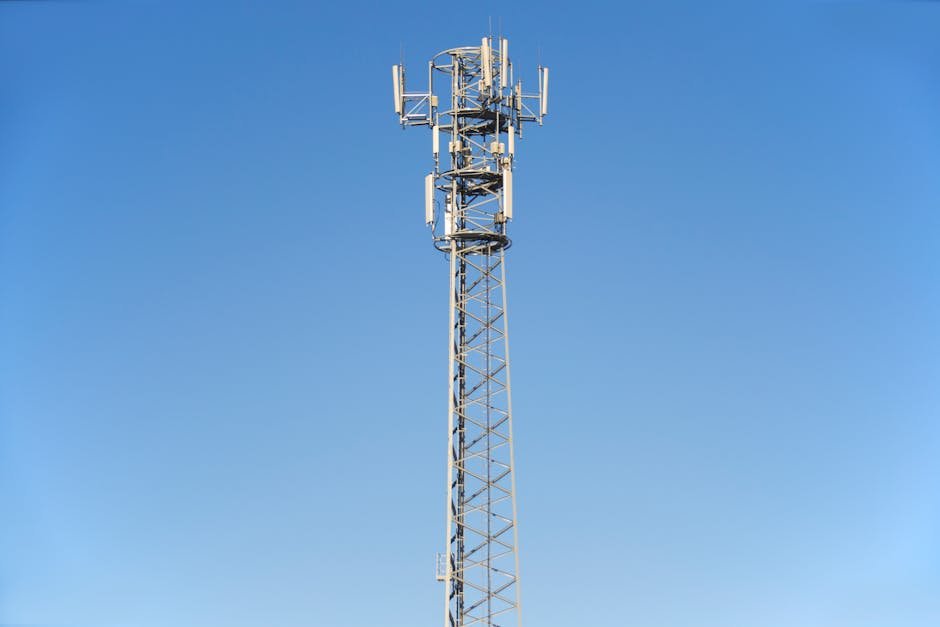
Samuel Nartey George, Minister for Communications, Digital Technology and Innovation, announced that MTN Ghana and Telecel Ghana will build a combined 1,150 new cell sites in 2026 as an alternative to paying fines for recent quality of service breaches. Notably, how this completely flips the traditional regulatory playbook on its head.
The Numbers Tell a Striking Story
The scale of this infrastructure push is unprecedented. MTN Ghana initially committed to 500 new cell sites, but George pushed for more during a meeting at Mobile World Congress in Barcelona.
"I met with the Group Chief Executive Officer at Mobile World Congress and I told him that MTN Ghana is a Significant Market Player and they therefore needed to do better. So he agreed to add 300 more sites to make a total of 800 in one year," George said.
Meanwhile, Telecel Ghana will construct 350 new sites. To put this in perspective, MTN Ghana built just 30 sites in 2024 and 50 in 2025. Their peak years were 2017 and 2019, when they managed 352 sites each year.
Regulatory Framework Gets Teeth
The Ministry has also tightened quality standards significantly. The National Communications Authority (NCA) now operates under stricter Key Performance Indicators, with allowable breach rates dropping from 3 percent to just 1 percent.
This policy shift emerged from frustration with the old system. Under previous arrangements, the NCA would collect fines from operators who failed to meet service standards and simply keep the money. Subscribers saw zero benefit from these penalties.
A Consumer-First Philosophy
George revealed this strategy during the launch of the government's One Million Coders Programme, signaling a broader push toward digital infrastructure development. His approach reflects a fundamental shift in thinking about regulatory enforcement.
At Mobile World Congress 2026, George told reporters he considered bonded infrastructure investment more effective than traditional fines. The old model enriched regulators while leaving consumers with the same poor service quality they had before.
I have covered enough telecom stories across Africa to know that this kind of direct intervention is rare. Most governments are content to collect fines and move on. Ghana is demanding actual improvement.
Impact on Network Quality
George promised Ghanaians will see noticeable network improvements in the coming months as both operators accelerate their rollout programs. Given the massive jump in planned infrastructure, this seems achievable for the first time in years.
The policy also positions the NCA to use tighter quality standards as a mechanism to compel ongoing network investment rather than simply penalizing operators after the fact. This proactive stance could transform Ghana's telecommunications landscape if properly executed.
For a deeper look at how technology policy shapes African markets, check out our AI coverage and broader analysis in our news section.