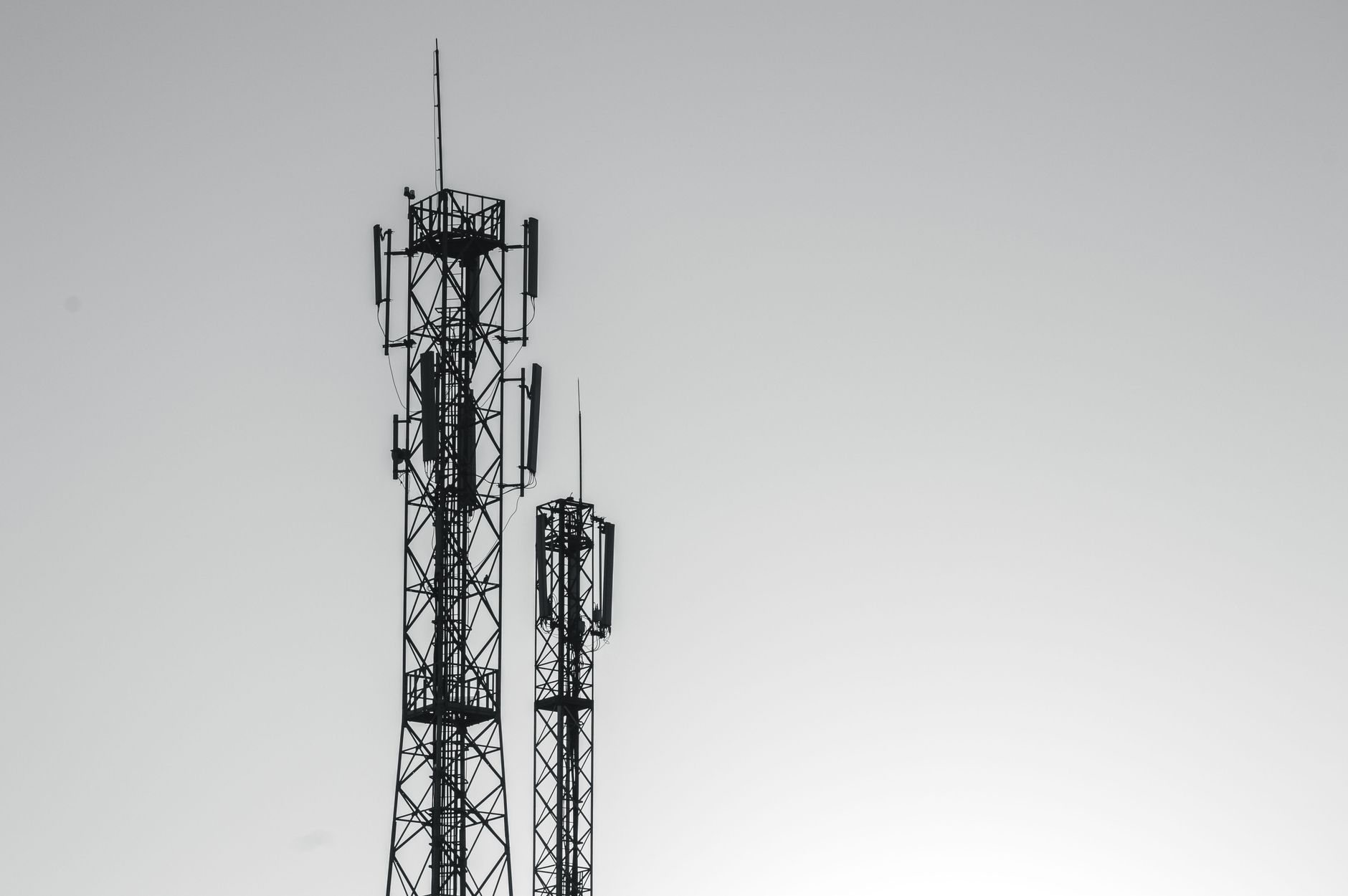
MTN Group has completed its acquisition of the remaining 75.3% stake in IHS Towers for approximately $6.2 billion, bringing one of the world's largest independent tower companies under full control of Africa's biggest mobile operator with over 300 million subscribers.
The February 2026 transaction, financed largely through IHS's available cash reserves of about $1.1 billion and supplemented by MTN's liquidity and borrowings, will result in IHS's delisting from the New York Stock Exchange. This marks the end of neutral tower infrastructure across key Francophone African markets.
Strategic Infrastructure Control
Founded in Nigeria in 2001, IHS Towers operates infrastructure across Nigeria, Côte d'Ivoire, Cameroon, Zambia, and Rwanda. For decades, these towers functioned as neutral infrastructure accessible to all mobile operators across both Francophone and Anglophone Africa.
The acquisition fundamentally alters the competitive dynamics in African telecommunications, particularly in Francophone West Africa where IHS maintained significant market presence alongside other infrastructure players.
Complex Tower Management Ecosystem
The Francophone African tower infrastructure operates through multiple management models beyond IHS control. In Côte d'Ivoire and Cameroun, Orange maintains ownership of over 2,000 towers while operating under a 15-year management and rental licensing agreement with IHS.
Aktivco, the energy services arm of French infrastructure company Camusat, manages towers through Energy Services Company (ESCO) contracts with Orange across Côte d'Ivoire, Niger, and Burkina Faso.
Regional Market Variations
Senegal operates under a different infrastructure model. Helios Towers, the London-based tower management company and third-largest continental player, serves as the primary independent operator with dedicated local teams and a general manager based in Dakar.
Al Karama Towers, a Senegalese tower company backed by M&A Capital, acquired 625 sites from Expresso Telecom, demonstrating local market consolidation trends.
Implications for Digital Economy
The consolidation could significantly impact startup opportunities and digital innovation across Francophone Africa's emerging tech ecosystem. Independent tower operators previously provided neutral access points for new market entrants and innovative technology solutions.
MTN's vertical integration strategy may influence pricing structures and access policies for competing operators, potentially affecting the competitive balance in markets where MTN already holds significant subscriber bases.
Market Concentration Concerns
The transaction represents one of the largest infrastructure consolidations in African telecommunications history. Industry observers note the potential for reduced competition in tower access and related services across multiple national markets.
The deal's completion removes a major independent infrastructure provider from public markets, concentrating critical connectivity assets under direct operator control rather than neutral third-party management.