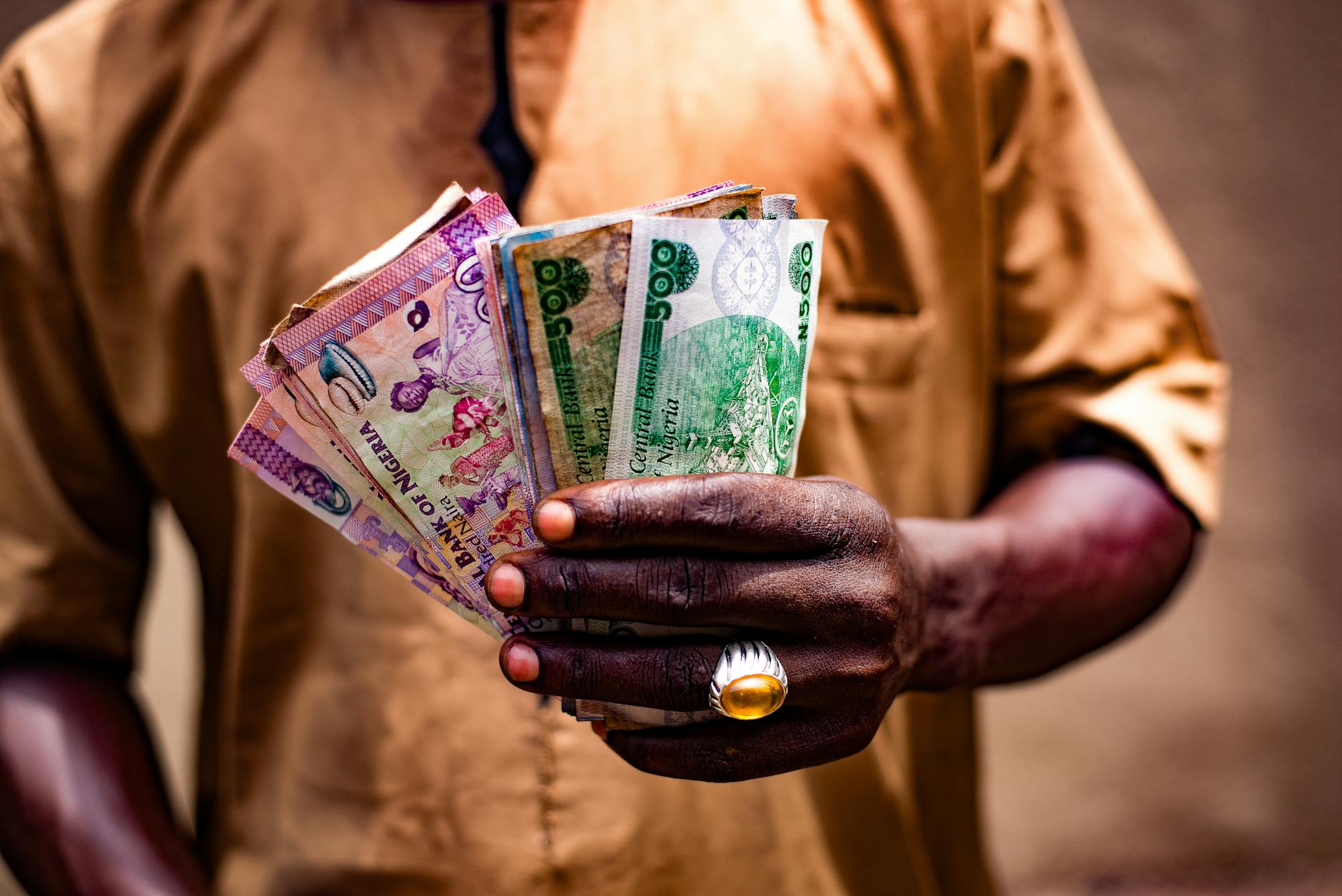
Nigerian businesses are doubling down on USD-backed stablecoins as their go-to hedge against foreign exchange uncertainty, even as the naira shows signs of recovery in recent weeks. Notably, how quickly this shift has become mainstream rather than experimental.
The adoption spans across sectors, from importers of raw materials to tech companies paying international vendors. Local traders tell me they prefer the predictability of USDC and USDT over navigating the volatile official exchange rate windows.
Beyond Traditional Banking
The stablecoin trend reflects deeper structural issues with Nigeria's foreign exchange management. While the Central Bank of Nigeria has made efforts to unify exchange rates, businesses remain skeptical about long-term stability.
I spoke with several Lagos-based import businesses who describe stablecoins as their "insurance policy" against sudden naira devaluations. They can lock in prices with overseas suppliers without worrying about rate fluctuations during payment processing.
This shift is not just about convenience. Traditional correspondent banking relationships have become increasingly expensive and slow for smaller Nigerian businesses, creating a natural opening for digital alternatives.
Regulatory Gray Areas
The Securities and Exchange Commission Nigeria has not explicitly banned stablecoin usage for trade purposes, though cryptocurrency trading remains restricted for retail investors. This creates an interesting regulatory arbitrage that savvy businesses are exploiting.
"We are not trading crypto, we are using digital dollars for legitimate business transactions," explains a prominent textile importer who requested anonymity.
Financial technology companies have quietly built infrastructure to support these transactions, often positioning their services as "digital payment solutions" rather than cryptocurrency platforms. The semantic gymnastics are necessary but effective.
Ripple Effects Across West Africa
The Nigerian experiment is being closely watched by businesses across West Africa. Ghana, Kenya, and South Africa are seeing similar patterns emerge, though at smaller scales.
What makes Nigeria unique is the combination of a large economy, sophisticated financial infrastructure, and persistent currency challenges. This creates ideal conditions for stablecoin adoption to flourish despite regulatory uncertainty.
The irony is unmistakable: businesses are using blockchain-based dollars to solve problems created by traditional dollar scarcity. This technological workaround may prove more durable than policy solutions.
Looking Forward
As covered in our financial technology coverage, the broader trend toward digital currencies in emerging markets shows no signs of slowing. Nigerian businesses appear to be leading this charge out of necessity rather than ideology.
The naira's recent stabilization has not changed the fundamental calculus for most traders. They have tasted the convenience and predictability of stablecoins, and few seem willing to go back to traditional FX markets entirely.
Central bank officials may not like this parallel system, but market forces have already spoken. The question now is whether regulators will adapt to this reality or attempt to fight it.