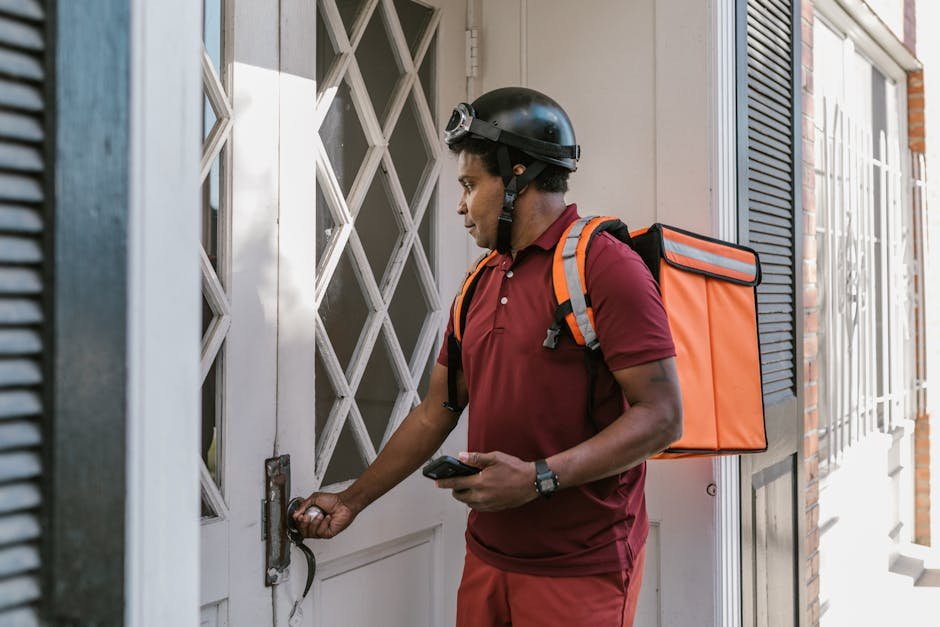
An ambitious Eswatini startup just pulled off something remarkable in African tech funding. Swoop, a food delivery company with super-app aspirations, has closed a $7.3 million seed round that ranks among the largest disclosed by any African consumer startup.
Notably, not just the size of this funding—it is who backed it and where they plan to deploy the capital. Silicon Valley heavyweights including Long Journey, Variant, Version One, Dune Ventures, Soma Capital, and Zero Knowledge Ventures led the round. Walter Kortschak and Base Capital also participated.
Nigeria First, Super App Later
Swoop is making its first international move into Nigeria, specifically targeting Lagos. The company, formerly known as Thumo, launched in Eswatini just eight months ago in August 2025 and attracted 6,000 users within its first month, according to co-founder Aubrey Niederhoffer.
The startup is taking a contrarian approach to Nigeria's crowded food delivery space. Rather than competing head-to-head with established players like Chowdeck, Glovo, and FoodCourt, Swoop wants to expand the entire market.
"We think that the food delivery space in Nigeria is still significantly under-penetrated. Our target is not existing consumption but the users that are not consuming. We are not getting into a war with other platforms. We are trying to grow the pie," said Demola Adesina, Swoop's Nigerian country manager.
The Numbers Tell a Story
Adesina has compelling data to support this strategy. Nigeria's food delivery market was valued at $1.1 billion in 2025, and payment processor Paystack—which handles transactions for Swoop and major competitors—recorded 187% sector growth between 2021 and 2024.
The real opportunity, according to Adesina, lies in Nigeria's low penetration rates compared to peer markets in Africa and Southeast Asia. The ratio of food ordered for delivery versus food consumed outside the home remains significantly lower in Nigeria.
Operational Model and Expansion Plans
Swoop operates using independent riders rather than employed delivery staff. The company generates revenue through commissions on restaurant sales and customer handling fees, while riders keep 100% of delivery charges. A 7% service charge funds operations.
The startup is launching in Yaba, a neighborhood in Lagos Mainland that already hosts multiple competitors. This deliberate choice to enter a contested market signals confidence in their differentiated approach.
"It is super hard to build a super app, and our investors recognise that. They recognise that you need a bit of runway and foundation to be able to do the things that you need to do operationally," Adesina explained.
Long-term Vision
Edwin Ruiz, another co-founder, previously told Eswatini media that Swoop aims to build a pan-African super app combining food, groceries, and rides. This ambitious vision explains why investors committed such a substantial seed round to a relatively new player.
The timing feels strategic. Adesina notes increased investor confidence regarding regulatory risks in Nigeria, pointing to international backing as proof of market stability. His personal connection to the market adds another dimension to their expansion strategy.
"Beyond that, I am passionate about Nigerians. There is better market education and more interest in positively changing consumer habits. We think this is the perfect time to build on that," Adesina said.
For context on African tech funding trends, check our latest coverage of startup investments across the continent. The success of Swoop's fundraising amid challenging global funding conditions suggests strong investor appetite for well-positioned African consumer plays.