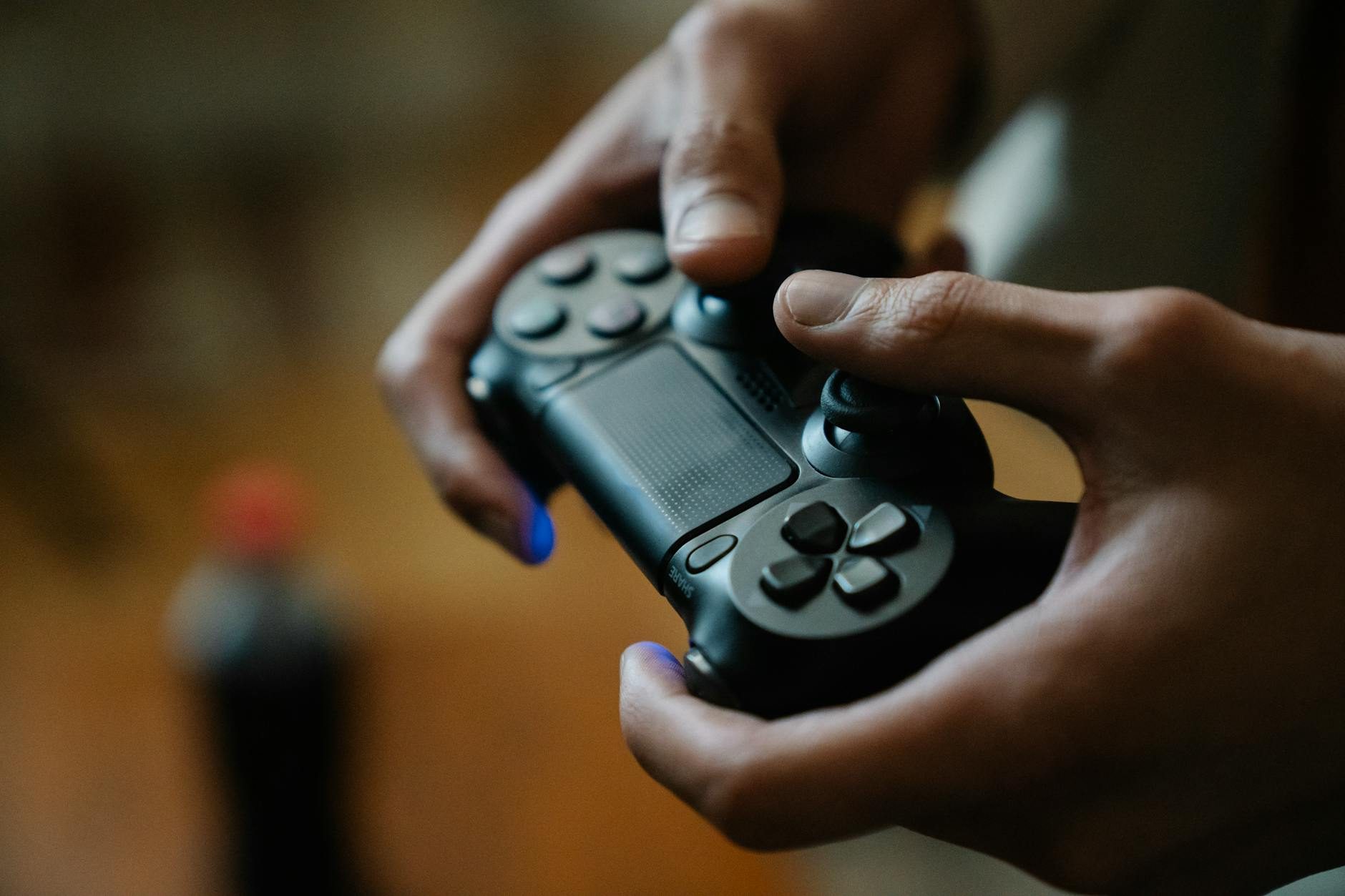
The Problem With Most Free Games
I downloaded 47 free-to-play games last quarter. Deleted 38 of them within a week.
Most free games follow the same predatory playbook. Hook you with fun gameplay, then slowly strangle the experience until you pay up. Energy systems that stop you from playing. Loot boxes that contain the gear you actually need. PvP matches where credit card warriors demolish free players.
But some games break this mold. I found nine that genuinely respect your time and wallet. These games make money through cosmetics, battle passes with reasonable progression, or optional convenience features that do not break competitive balance.
Legends of Runeterra - Card Game Done Right
Riot Games released this digital card game in 2020, and they nailed the economy. I have been playing since beta and have never felt pressured to spend money.
You earn cards through gameplay at a fair pace. The weekly vault system gives you tons of cards and wildcards just for playing matches. I built three competitive decks within my first month without spending a dime.
The ranked system works purely on skill. A free player with good cards can beat someone who spent hundreds on cosmetics. Because cosmetics are literally all you can buy with real money after your first few weeks of play.
I did eventually buy the battle pass equivalent once. Mostly because I wanted to support the developers. The cosmetic boards and card backs look nice, but they gave me zero gameplay advantage.
Path of Exile - The ARPG That Puts Diablo to Shame
Grinding Gear Games created something special here. This action RPG has more depth than games that cost sixty dollars upfront.
The skill tree alone has 1,325 passive skills. Seven character classes that can morph into completely different builds based on your choices. I spent forty hours on my first character before realizing I barely scratched the surface.
Here is what you can buy with real money: stash tabs for storage and cosmetic skins. That is it. No stat boosts. No pay-to-win weapons. No energy systems limiting your play time.
The stash tab situation deserves explanation. You start with four tabs of storage space. For casual play, this works fine. But if you get serious about endgame farming, you will want more storage. A currency tab and map tab cost about twenty dollars total and solve the problem permanently.
I consider those twenty dollars well spent after putting 200 hours into the game for free.
Rocket League Goes Free-to-Play
Psyonix made this car soccer game free in September 2020. The transition could have gone badly, but they handled it well.
Gameplay stayed identical. All cars perform the same regardless of looks. The Octane hitbox works just as well as the fancy DLC cars. I still use the default Octane in ranked matches four years later.
What changed? You now unlock items through a battle pass system instead of random crates. The battle pass costs ten dollars and lasts three months. But you can ignore it completely and still enjoy the full game.
New players get enough content to customize their car and feel progression. Veteran players kept everything they already owned. Nobody lost access to core gameplay features.
Valorant - Competitive Shooter Without Advantages for Sale
Riot Games applied their League of Legends model to tactical shooters in 2020. All weapons and maps are free. Agents unlock through gameplay or direct purchase.
I unlocked new agents every two weeks during my first few months. Each agent requires roughly 15-20 hours of gameplay to unlock for free. Or you can pay about ten dollars to unlock immediately.
The genius part? Every agent serves a specific role, but none are objectively better than others. Sage remains viable in professional play despite being available from day one. Reyna dominates solo queue but struggles in coordinated team play.
Weapon skins cost real money, but they provide zero gameplay benefits. A default AK shoots identically to a fifty dollar Dragon skin. Some players claim expensive skins improve their aim through placebo effect. I remain skeptical.
Warframe - Science Fiction Power Fantasy
Digital Extremes launched this cooperative shooter in 2013. It stumbled initially but evolved into something remarkable.
You play as a space ninja with guns and magic powers. The power fantasy feels incredible once you learn the systems. I spent my first ten hours confused, then suddenly everything clicked during an Exterminate mission on Mars.
Every warframe, weapon, and companion can be earned through gameplay. Premium currency purchases let you skip the crafting time, but patience gets you everything for free. I crafted dozens of weapons without spending money.
The real purchase pressure comes from inventory slots. You start with limited slots for weapons and warframes. Additional slots cost premium currency. But the game gives you enough starting currency to expand when needed.
The learning curve feels steep initially. Honestly, I nearly quit twice during my first week. But the community discord helped me understand the modding system, and the game became addictive.
Genshin Impact - Adventure Without Spending
miHoYo created a beautiful open world RPG that runs on phones and PCs. The gacha system gets criticism, but you can experience the entire story without spending money.
I completed the main storyline and most side content using only free characters. Amber, Kaeya, Lisa, and the Traveler carried me through dozens of hours of content. The elemental combo system rewards skill over expensive characters.
New regions release every few months with hours of free content. Inazuma, Sumeru, and Fontaine each provided 20+ hours of exploration and story. These updates cost nothing and require no premium characters.
The gacha pressure exists if you want specific characters or weapons. But meta-chasing is optional for single-player content. I pulled for characters I found interesting rather than powerful, and never felt stuck.
Resin system limits daily farming but encourages breaks rather than endless grinding. Some players hate this restriction. I found it healthy compared to games that demand constant attention.
Counter-Strike 2 - The Competitive Standard
Valve updated their legendary shooter in 2023 with new graphics and mechanics. The core formula remains unchanged: pure skill-based competition.
Every weapon and map comes free. Competitive matches use standardized equipment regardless of your inventory. A player with default skins competes equally with someone who owns expensive knife skins.
Skin trading creates an entire economy, but it operates separately from gameplay. I know players who made money trading valuable skins, and others who play thousands of hours without buying any cosmetics.
The learning curve demands dedication. Movement mechanics, spray patterns, and map knowledge take hundreds of hours to master. But this depth keeps matches interesting years later.
League of Legends - The MOBA That Started It All
Riot Games popularized the free-to-play model back in 2009. Fourteen years later, it still works.
All gameplay features are free. Every champion can be unlocked through gameplay. Runes and masteries that once cost real money became free in 2017. Ranked progression depends entirely on skill.
Champion unlocks take time without spending money. New players start with a rotating selection of free champions each week. Blue essence earned from matches eventually unlocks your preferred champions permanently.
Skins and cosmetics generate revenue without affecting game balance. Championship skins look amazing but provide no statistical advantages. I own dozens of skins accumulated over years of play, but still perform identically with default appearances.
The meta shifts constantly through patches. This keeps gameplay fresh but requires learning new strategies regularly. Some players find this exhausting. I appreciate that matches feel different each season.
Apex Legends - Battle Royale Without Barriers
Respawn Entertainment launched this battle royale in 2019 with smart free-to-play decisions. All weapons and attachments spawn on the map equally for everyone.
New legends unlock through gameplay currency earned from matches and challenges. Each legend requires about 20 hours of gameplay to unlock for free. Or ten dollars for immediate access.
Legend abilities create strategic variety, but none dominate through raw power. Wraith remains popular in ranked play despite being available from launch. Newer legends like Newcastle provide utility without overshadowing classic choices.
Weapon skins and legend cosmetics cost real money but change nothing about performance. The battle pass provides good value if you play regularly, but skipping it does not limit your competitive potential.
The ping system deserves special mention. It lets you communicate effectively without voice chat or text. This feature helps free players coordinate with teammates who might own expensive cosmetics but lack game sense.
What Makes These Games Work
These nine games succeed because they separate monetization from core gameplay. You can compete effectively without spending money. Premium purchases enhance the experience through customization or convenience, but never create unfair advantages.
Time investment matters more than wallet size. A dedicated free player will outperform a casual spender in every game on this list. This creates healthy competitive environments where skill determines outcomes.
The developers make money through volume and long-term engagement rather than exploiting individual players. Happy free players create active communities that attract paying customers. Everyone benefits from this approach.
I spent money on several games from this list eventually. Not because I felt pressured, but because I enjoyed the experience and wanted to support continued development. That feels like the right relationship between players and developers.