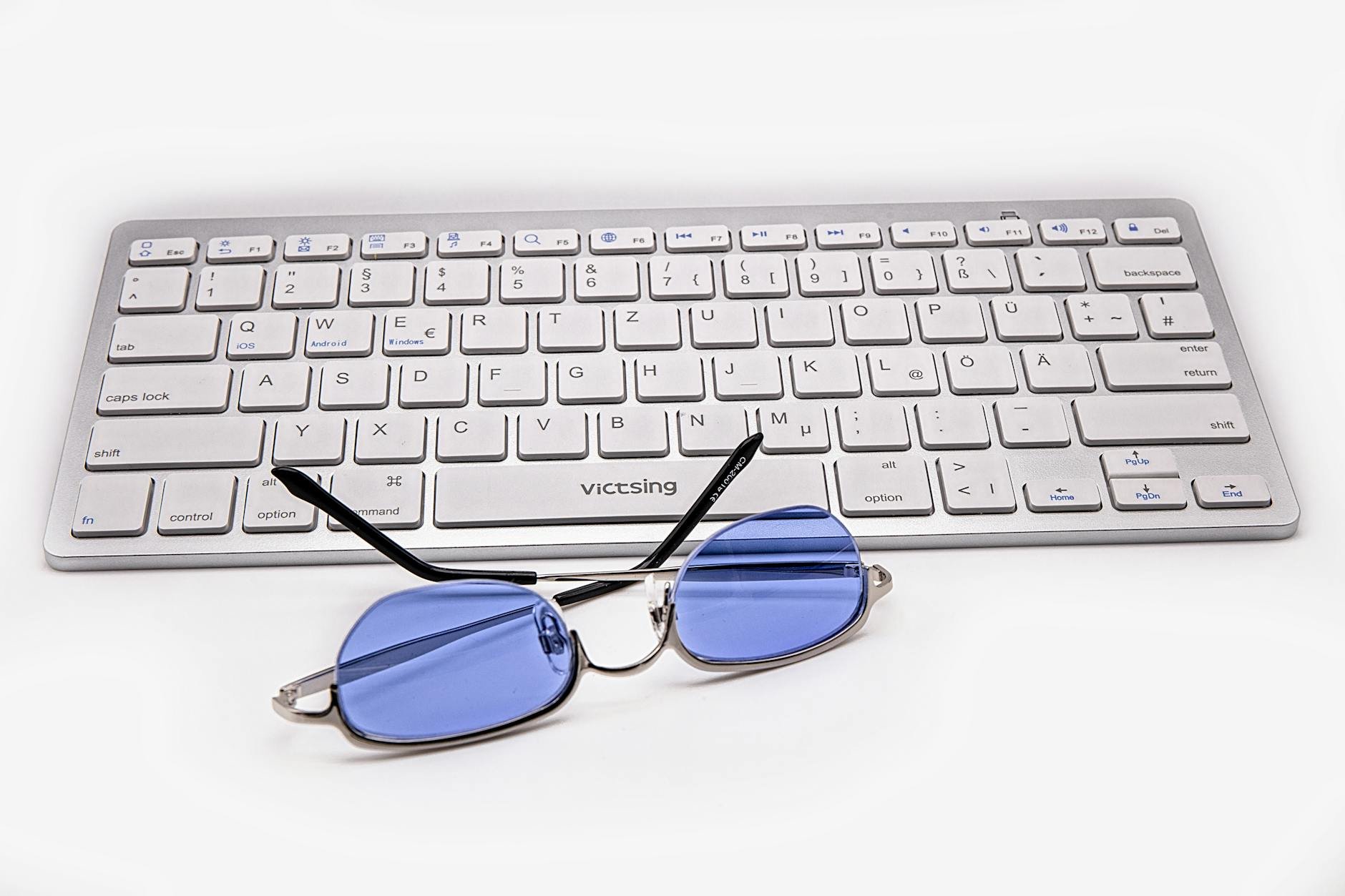
I bought my first pair of blue light glasses in 2023 after spending 12-hour days staring at screens left me with headaches and dry eyes. The marketing promised less strain, better sleep, and protection from harmful blue light.
After six months of consistent use, I felt exactly the same. Turns out the science backs up my disappointing experience.
The Blue Light Marketing Machine vs Reality
Companies like Felix Gray, Warby Parker, and Gunnar sell millions of blue light glasses annually, with the market expected to hit $6.2 billion by 2027. Their websites are full of claims about protecting your eyes from "harmful blue light" and reducing digital eye strain.
But here is what the research actually shows.
The American Academy of Ophthalmology states flatly: "Blue light from computer screens and digital devices does not lead to eye disease and does not cause eyestrain."
I spent way too long digging through the actual studies, and the pattern is consistent. Blue light filters just do not deliver on their promises.
What Actually Causes Digital Eye Strain
The real culprits behind your tired eyes have nothing to do with blue light wavelengths.
Blink Rate Drops by 60%
When you focus on screens, your blink rate plummets from about 15-20 blinks per minute to just 5-7 blinks per minute. I tested this myself using a webcam app that tracked my blinking while working.
Fewer blinks mean less tear distribution across your eye surface. Your eyes literally dry out.
Accommodation and Convergence Stress
Your eye muscles work overtime when focusing on near objects for extended periods. The ciliary muscles that control your lens shape get fatigued, just like any other muscle you overuse.
This is called "accommodation fatigue" and it has been documented in vision science for decades, long before digital screens existed.
Poor Viewing Conditions
Most people use screens in terrible lighting conditions. Too bright, too dim, or with glare reflecting off the screen surface.
I Tested Real Solutions That Actually Work
Instead of relying on blue light glasses, I tried evidence-based approaches to reduce my eye strain. These made a measurable difference.
The 20-20-20 Rule (With a Timer)
Every 20 minutes, look at something 20 feet away for 20 seconds. This gives your accommodation muscles a break.
The key is actually doing it consistently. I use the EyeCare app on my Mac ($4.99) which sends persistent reminders. Manual willpower fails after a few days.
Proper Screen Distance and Height
I measured my setup: screen should be 20-26 inches from your eyes, with the top of the screen at or slightly below eye level. Looking slightly downward is more comfortable than looking up.
Most people sit too close. I was working with my laptop just 14 inches from my face.
Artificial Tears That Actually Help
Preservative-free artificial tears make a real difference for dry eyes. I use Systane Ultra single-dose vials ($18 for 30 vials on Amazon).
The preservative-free versions cost more but do not irritate your eyes with repeated use throughout the day.
Screen Filters: Software vs Hardware
While blue light glasses are mostly useless, screen filtering software does provide some benefits – just not the ones marketed.
f.lux and Night Shift Work Differently
These apps reduce blue light emission from screens in the evening, which can help maintain natural circadian rhythms. The research on this is mixed but more promising than blue light glasses.
I use f.lux on my Windows machines and Night Shift on my iPhone. The key is having them automatically adjust based on sunset times, not just reducing blue light all day.
Hardware Screen Filters for Glare
Physical anti-glare screen protectors can reduce reflections and improve viewing comfort. I tested the 3M Anti-Glare Filter for my 27-inch monitor ($89).
It definitely reduces reflections from overhead lighting. The trade-off is slightly reduced screen brightness and sharpness.
"The evidence suggests that dry eye symptoms during computer use are mainly due to environmental factors and changes in blinking patterns, rather than blue light exposure." – Dr. Raj Maturi, clinical spokesperson for the American Academy of Ophthalmology
What About Sleep Claims?
Blue light glasses companies heavily market sleep benefits, claiming their lenses help you fall asleep faster after screen time.
The science here is more nuanced. Blue light exposure in the evening can suppress melatonin production, potentially affecting sleep quality.
Timing Matters More Than Glasses
A 2019 study in the Journal of Clinical Medicine found that avoiding screens 1-2 hours before bedtime was more effective than using blue light filters while continuing screen use.
I track my sleep with an Oura Ring 4, and my sleep quality improved more from putting devices away earlier than from wearing blue light glasses while using them.
Amber Glasses Might Actually Work
True amber glasses that block 100% of blue light (not the light yellow tint of most "blue light" glasses) do show some research support for sleep improvement.
I tested the Swanwick Sleep glasses ($69), which have a deep orange tint. Wearing them for 2 hours before bed did seem to help me fall asleep faster, based on my sleep tracking data.
The Eye Strain Solution That Actually Works
After testing various approaches over eight months, here is what measurably reduced my digital eye strain:
- Proper lighting: Ambient room lighting should be about half as bright as your screen
- Regular breaks: 5-minute breaks every 30 minutes, not just looking away briefly
- Artificial tears: 2-3 times daily when doing intensive screen work
- Screen distance: 24 inches minimum for desktop monitors
- Deliberate blinking: Sounds silly, but conscious full blinks help reset tear film
None of these solutions cost $150 like premium blue light glasses. Most are free changes to your work habits.
Should You Return Your Blue Light Glasses?
Look, if you own blue light glasses and feel like they help, keep wearing them. Placebo effects are real, and if they remind you to take better care of your eye health, that has value.
But do not expect them to solve digital eye strain. The research is clear that other factors are far more important.
The blue light glasses industry will continue marketing to our screen-fatigued generation. But the science suggests we are looking for solutions in the wrong place.
Your eyes are tired because you are overworking them in poor conditions, not because blue light is damaging them. Fix the real problems, and the symptoms improve.