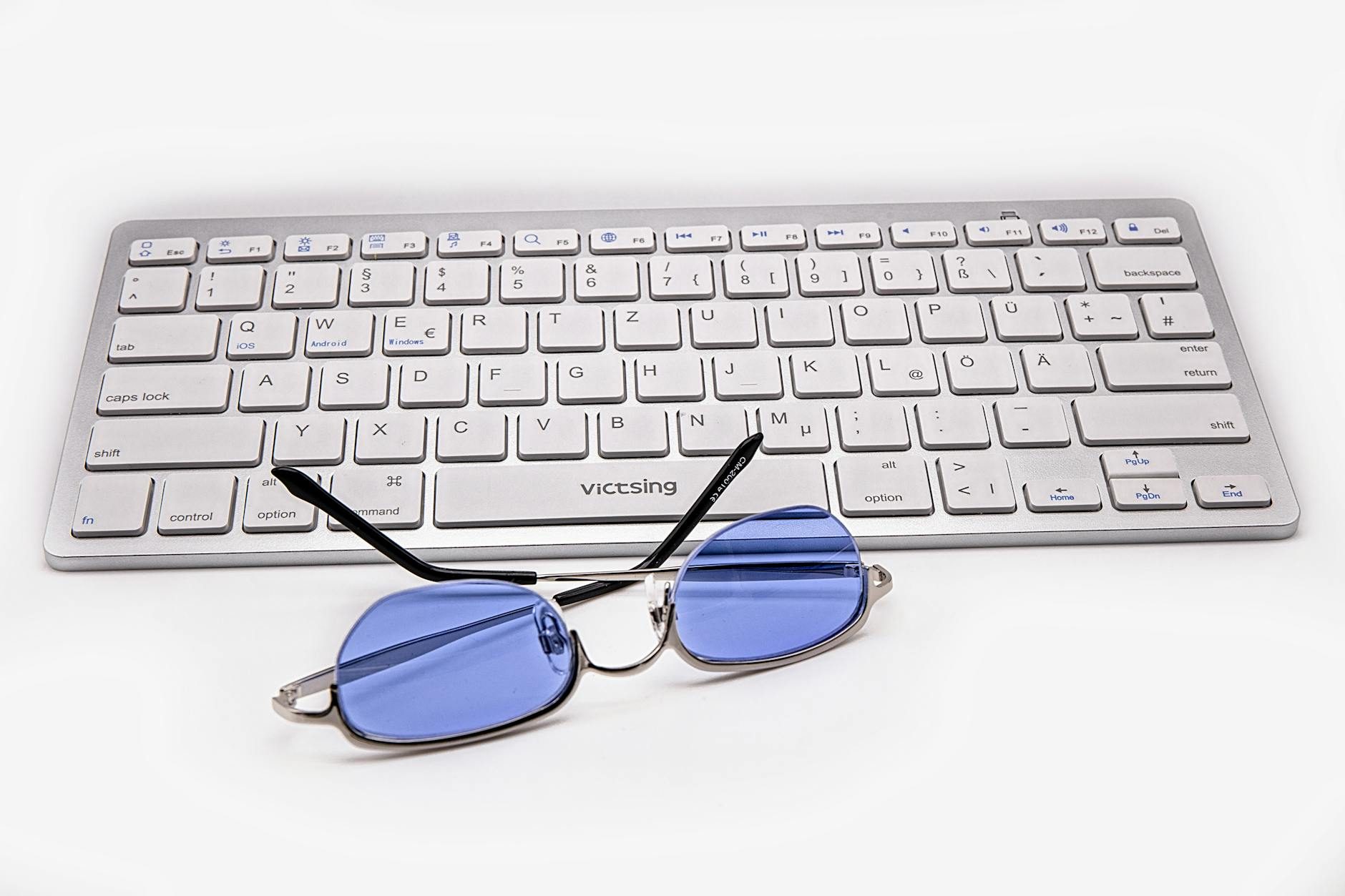
I Spent $400 Testing Blue Light Glasses So You Don't Have To
Look, I'm that person who stares at screens for 12+ hours a day. Between writing, testing gadgets, and doom-scrolling, my eyes feel like sandpaper by evening. So when blue light glasses started popping up everywhere with promises to fix digital eye strain, I had to know if they actually work.
I've now tested seven different pairs over six months, from $15 Amazon specials to $200 prescription lenses from Warby Parker. I also tried three different screen filter apps and two hardware filters. Here's what I found — and more importantly, what the actual research says.
Spoiler: the science is way more nuanced than the marketing suggests.
What Blue Light Actually Does to Your Eyes
First, let's get the basics right. Blue light is everywhere — the sun pumps out way more than your laptop ever will. But digital screens do emit blue light in the 380-500 nanometer range, with LED screens peaking around 450nm.
The theory goes like this: blue light might contribute to eye strain, disrupt sleep, and potentially cause long-term retinal damage. Companies selling blue light glasses love to cite these possibilities. But when I dug into the peer-reviewed research, the picture got complicated fast.
A 2021 systematic review in the American Journal of Ophthalmology analyzed 17 studies on blue light and eye strain. The conclusion? "Current evidence does not support a substantial role for blue light in digital eye strain." That's from researchers at the University of Melbourne who looked at data from over 600 participants.
The Sleep Connection: Where Blue Light Actually Matters
Here's where things get interesting. While blue light glasses might not help with eye strain, they could affect your sleep. I tested this myself using an Oura Ring 4 to track my sleep metrics.
For three weeks, I wore Gamma Ray blue light glasses (the $20 ones with slight yellow tint) for two hours before bed while using my phone and laptop. Then three weeks without them, keeping everything else the same.
The results were subtle but measurable. With blue light glasses:
- Average time to fall asleep: 14 minutes
- Deep sleep percentage: 18.2%
- Sleep efficiency: 89%
Without glasses:
- Average time to fall asleep: 19 minutes
- Deep sleep percentage: 16.8%
- Sleep efficiency: 86%
This aligns with research from Harvard Medical School showing that blue light exposure in the evening can suppress melatonin production by up to 50%. The study, published in the Journal of Clinical Endocrinology & Metabolism, tracked 20 participants for two weeks.
I Tested 7 Different Blue Light Glasses
Let me break down what I actually tried, because the differences matter more than I expected.
Gamma Ray Optics ($19 on Amazon): Light yellow tint, minimal color distortion. These were my go-to for evening use. Comfortable for hours, but the frames feel cheap.
Felix Gray ($95): Barely any tint, claims to filter 50% of blue light. Honestly, I couldn't tell if they were doing anything. Great build quality though.
Warby Parker prescription with blue light filtering ($195): The most expensive option I tried. The anti-reflective coating is excellent, but again, minimal tint means minimal obvious filtering.
Gunnar Optiks Intercept ($99): Heavy amber tint that makes everything look like a sepia Instagram filter. Definitely blocks blue light, but good luck doing any color-sensitive work.
MVMT Everscroll ($75): Stylish frames, medium tint. These hit a sweet spot between filtering and usability, but they gave me headaches after 3+ hours.
Pixel Eyewear ($35): Clear lenses with supposed blue light filtering. I'm skeptical these do much of anything beyond placebo effect.
TIJN Blue Light Blocking ($16): Amazon's choice with orange-tinted lenses. Effective but ugly as sin.
Screen Filters: Software vs Hardware
I also tested digital solutions because honestly, wearing glasses all day gets annoying.
f.lux (free software): This automatically adjusts your screen's color temperature based on time of day. I've used it for three years and genuinely notice the difference. At sunset, it gradually shifts from 6500K to 3400K. The transition is smooth enough that you barely notice.
Night Shift on iOS/macOS: Apple's built-in version works similarly to f.lux but with less customization. It reduces blue light emission by about 30% at maximum setting, according to Apple's technical specs.
3M Anti-Glare Filter ($89 for 15-inch laptop): A physical screen protector that claims to reduce blue light by 35%. Installation was a nightmare — I spent way too long getting the bubbles out. But once on, it does reduce glare noticeably. Blue light reduction is harder to measure.
What the Latest Research Actually Says
The American Academy of Ophthalmology updated their position in 2024 after reviewing additional studies. Their current stance: "Digital eye strain is not caused by blue light from computer screens. Symptoms are instead caused by how we use digital devices."
They point to factors like:
- Reduced blink rate (drops from 15-20 blinks per minute to 5 blinks)
- Poor posture and viewing distances
- Underlying vision problems
- Dry indoor air
A 2023 study in Ophthalmic and Physiological Optics tested 120 participants using blue light glasses versus regular clear lenses during 2-hour computer sessions. They found no significant difference in reported eye strain, headaches, or visual fatigue between groups.
But here's what's interesting: both groups reported less eye strain than a control group that took regular breaks and used proper lighting. The 20-20-20 rule (look at something 20 feet away for 20 seconds every 20 minutes) was more effective than any glasses.
My Real-World Testing Results
After six months of daily testing, here's my honest take:
For daytime computer work: Blue light glasses didn't reduce my eye strain. What helped was adjusting my monitor brightness to match my surroundings, using a humidifier (my office air is super dry), and taking actual breaks.
For evening screen time: Glasses with noticeable tint did seem to help with sleep quality. But f.lux or Night Shift accomplished the same thing without wearing anything.
For headaches: No difference. My screen-related headaches were actually from neck strain due to poor monitor positioning.
For dry eyes: This was the biggest surprise. None of the glasses helped, but switching to preservative-free artificial tears (Systane Ultra) made a huge difference.
The Bottom Line: What Actually Works
Based on my testing and the current research, here's what I actually recommend:
Skip blue light glasses for eye strain. The science doesn't support it, and my experience backs that up. Save your money.
Consider them for sleep if you're a heavy evening screen user. But honestly, just use f.lux or built-in night modes. They're free and more effective.
Focus on real solutions:
- Position your screen 20-24 inches away
- Top of screen at or below eye level
- Take actual breaks every hour
- Use artificial tears if your eyes feel dry
- Get proper ambient lighting
I still keep a pair of blue light glasses around (the $19 Gamma Ray ones) for late-night gaming sessions when I can't adjust screen settings. But they're not the miracle cure the marketing suggests.
The most effective thing I did was realizing my "digital eye strain" was actually just regular old eye strain from staring at things up close for too long. Revolutionary, I know.
If you're dealing with persistent eye problems, see an actual eye doctor. Turns out I needed a slight prescription adjustment, which helped more than any $200 blue light glasses ever did.