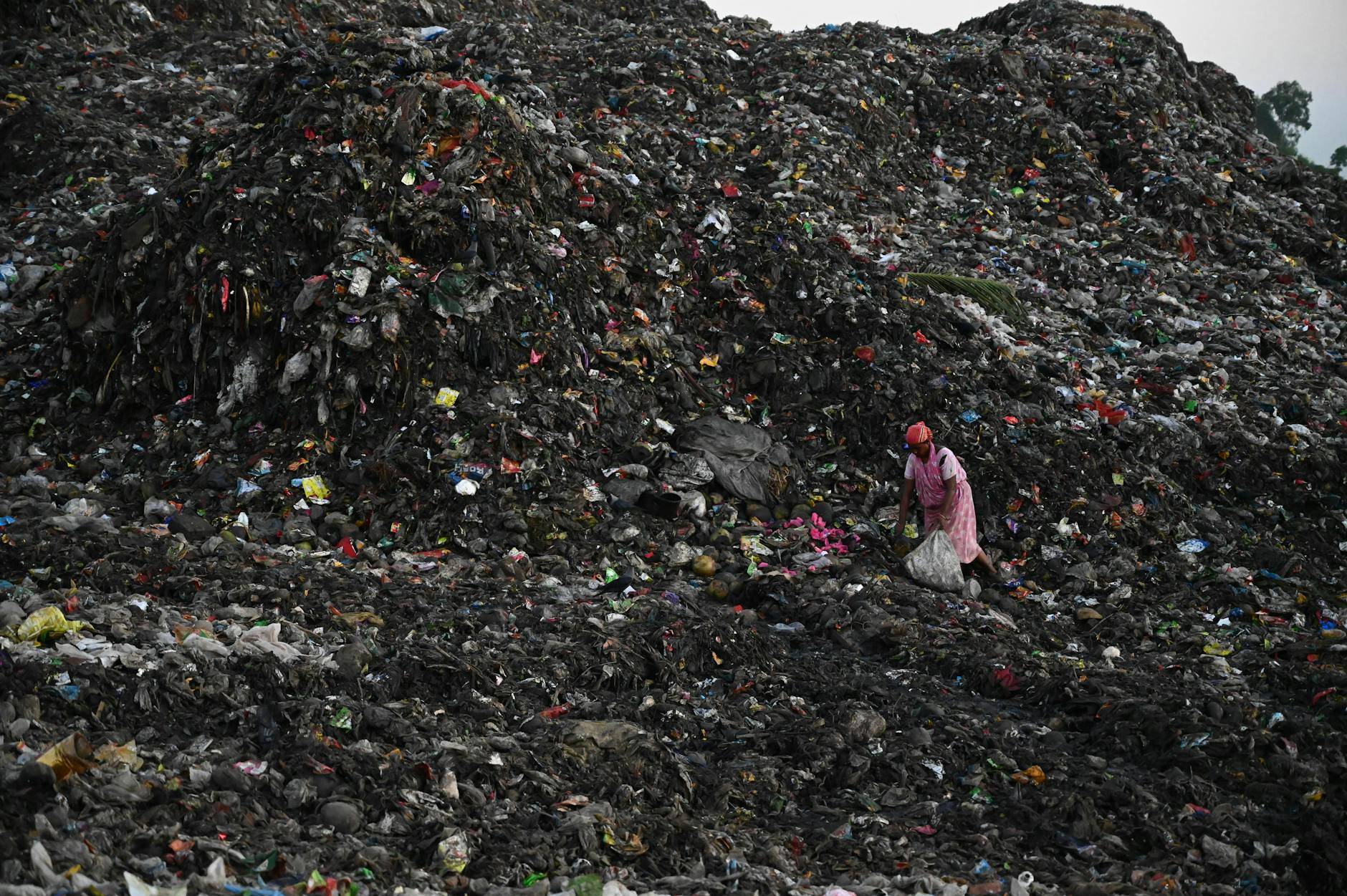
Agbogbloshie — a neighbourhood in central Accra — is simultaneously one of the world's largest informal markets for used electronics and one of its most documented e-waste dumping sites. For decades, electronic devices from Europe, North America, and Asia have arrived in Ghana labelled as "used goods for donation" and ended up in Agbogbloshie, where workers — many of them children — burn cables and circuit boards to extract copper and other metals, releasing toxic heavy metals and chemicals into the soil, water, and air.
This is not only a distant problem caused by foreign exporters. Every Ghanaian who discards an old phone in household waste, sells a broken device to an informal collector, or leaves electronics to deteriorate in storage is part of a waste chain that eventually reaches sites like Agbogbloshie. Understanding this chain and what alternatives exist is the starting point for more responsible technology consumption.
The Scale of the Problem
• Ghana generates approximately 300,000 tonnes of e-waste annually
• An estimated 60–70% of e-waste entering Ghana comes from imports
• Less than 5% of Ghana's e-waste is formally recycled
• Lead, mercury, cadmium, and brominated flame retardants are the primary toxic concerns
• The informal e-waste sector employs an estimated 40,000 workers in Ghana, many without health protection
Electronic devices contain both valuable materials — gold, silver, copper, rare earth elements — and toxic materials that require careful handling to prevent environmental contamination. A smartphone contains approximately 0.03 grams of gold, copper wiring, a lithium battery, and small quantities of heavy metals including lead and cadmium. Burning these materials to extract the valuable components releases the toxic ones.
What Responsible Disposal Looks Like in Ghana
Manufacturer Take-Back Programmes
Several electronics manufacturers operating in Ghana have formal take-back programmes for end-of-life devices. Samsung Ghana and Huawei Ghana have announced or operated collection points where old devices can be dropped off for certified recycling. These programmes are not consistently advertised and availability changes — contact the manufacturer's Ghana office directly to confirm current collection point locations before making a trip.
Certified E-Waste Recyclers in Ghana
A small but growing number of certified e-waste processors operate in Ghana with facilities designed to extract valuable materials without toxic burning. These include Recylers Ghana, Green Advocacy Ghana, and the Ghana E-Waste Management Project operated with international development support. The Ghana Environmental Protection Agency (EPA) maintains a register of certified e-waste handlers and can direct you to legitimate recyclers.
Before any device disposal, perform a factory reset to erase personal data. For smartphones and laptops, encrypt the device before factory reset for additional security. This step protects your personal information regardless of where the device ultimately ends up.
Device Donation and Refurbishment
A device that no longer meets your needs may be perfectly functional for someone else. Functional used smartphones, tablets, and laptops donated to schools, community organisations, or individuals through trusted channels extend device lifespan and delay the point at which they become waste. Organisations including the Ghana Education Trust Fund and various NGOs running digital literacy programmes actively seek functional used devices. Confirm the device is in working condition and erase all personal data before donation.
Making Better Purchasing Decisions
The most effective e-waste reduction strategy is extending device lifespan before replacement. A phone used for 4 years instead of 2 years halves the e-waste generated by that user over a decade. Decisions that extend device life include:
- Protective cases and screen protectors from day one (replacing a screen costs less than a new phone)
- Battery replacement at year 2–3 rather than full device replacement (a new battery costs GHS 80–200)
- Software updates maintained to keep the device secure and functional
- Storage management to prevent performance degradation from full storage
• Does my current device actually fail to do something I need, or just feel old?
• Can a battery replacement or screen repair extend its useful life for another 2 years?
• If I sell or donate my current device, will it have a second useful life?
• Is the new device I want from a manufacturer with a take-back programme?
Ghana's E-Waste Policy Direction
Ghana's Environmental Protection Agency has developed e-waste management regulations (Hazardous and Electronic Waste Control and Management Act) that establish producer responsibility — meaning manufacturers and importers bear legal responsibility for end-of-life management. Implementation has been inconsistent, but the legal framework exists and is being strengthened incrementally. Extended producer responsibility, if fully implemented, would fund formal recycling infrastructure that makes responsible disposal easier and more accessible for ordinary consumers.