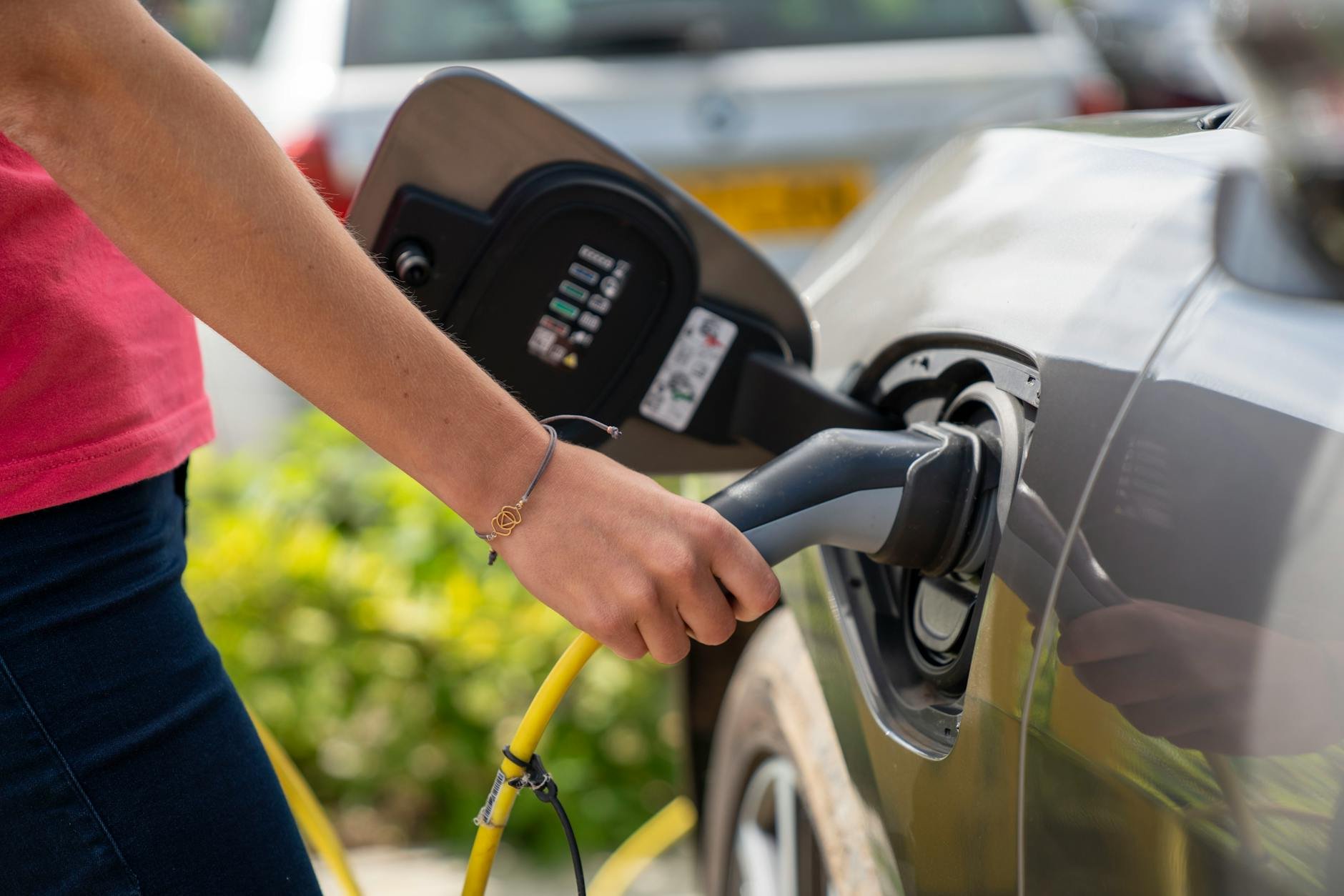
Electric vehicles are no longer a distant future technology for Ghana — they are here. Electric motorcycles (e-bikes) are operating in Accra's streets. Electric buses are being piloted on routes. The first electric cars are appearing in showrooms and on roads in wealthy neighbourhoods. But the gap between the EV marketing narrative and the infrastructure reality is significant, and understanding that gap is essential before making any purchasing decision.
The Current State of EVs in Ghana
Electric motorcycles/tricycles: Growing — used in delivery and ride-hailing
Electric buses: Pilot programmes active (Accra Metro Bus)
Electric passenger cars: Very limited — primarily luxury imports
Charging infrastructure: Minimal — fewer than 50 public charging points nationally
Electric vehicle import policy: Reduced import duties announced 2024 (implementation ongoing)
The honest picture is that Ghana is in the very early stages of EV adoption for private passenger vehicles. The infrastructure — charging networks, trained maintenance technicians, spare parts supply chains, and battery recycling facilities — that makes EV ownership practical in developed markets does not yet exist at scale in Ghana. This does not mean EVs are a bad idea for Ghana; it means the practical considerations are very different from what applies in Europe or the US.
Electric Motorcycles and Tricycles — The Practical Entry Point
Electric motorcycles represent the most practical entry point for EV adoption in Ghana for most people. Several Ghanaian and Chinese manufacturers are producing and selling electric motorcycles suitable for urban use, priced between GHS 4,000 and GHS 12,000.
The charging challenge for electric motorcycles is manageable: most models charge from a standard household electrical socket (220V) in 4–8 hours, making overnight home charging the standard pattern. Range per charge is typically 60–120km — adequate for daily urban commuting. The fuel cost savings compared to petrol motorcycles are significant given current petrol prices: estimated GHS 50–100 per month in electricity versus GHS 300–500 per month in petrol for equivalent mileage.
Key practical question for electric motorcycles in Ghana: What happens when your battery runs out on a route? For petrol motorcycles, a nearby filling station solves this. For electric motorcycles in 2026, you are stranded until you can reach a power source or arrange towing. Route planning with range awareness is essential until charging infrastructure develops.
Electric Cars — The Infrastructure Reality
Electric passenger cars face a more fundamental infrastructure challenge than motorcycles. A 60kWh battery in a standard electric car cannot be charged overnight on a standard household circuit without dedicated home charging equipment. Fast public charging — the equivalent of a filling station for EVs — is extremely sparse in Ghana outside of a few locations in Accra and Kumasi.
The companies operating in Ghana's nascent EV charging space include: Ampersand (initially focused on motorcycles), EVCA Ghana, and international brands including BYD and Volkswagen's African operations that are beginning to establish dealer and charging infrastructure. The pace of charging network expansion over the next three to five years will determine when electric cars become practically viable for most Ghanaian drivers beyond the wealthy early adopters who can install home charging systems.
• Homeowners who can install a dedicated home charging point (GHS 3,000–6,000 installation)
• People who drive primarily within Accra and have charging at home or office
• Those with budget for a second vehicle as range anxiety backup
• Corporate buyers with controlled routes and depot charging
The Policy Environment
Ghana's government has signalled commitment to EV adoption through the National Electric Vehicle Policy (2022) and subsequent import duty reductions. Under current policy, electric vehicles attract reduced import duties compared to petrol equivalents — making the landed cost of EVs more competitive. The Ministry of Energy's EV deployment targets include 50,000 electric motorcycles and 2,000 electric vehicles by 2027, targets that appear ambitious given current infrastructure pace but signal a consistent policy direction.
The Verdict for 2026
Electric motorcycles for urban delivery and commuting: Practical now, financially attractive, infrastructure manageable with route planning. Electric passenger cars for personal use: Practical only for Accra-based homeowners with installation budget and primarily urban driving patterns. For everyone else, the honest answer is to watch the infrastructure development closely and reassess in 2027–2028 when the charging network should be meaningfully more developed.