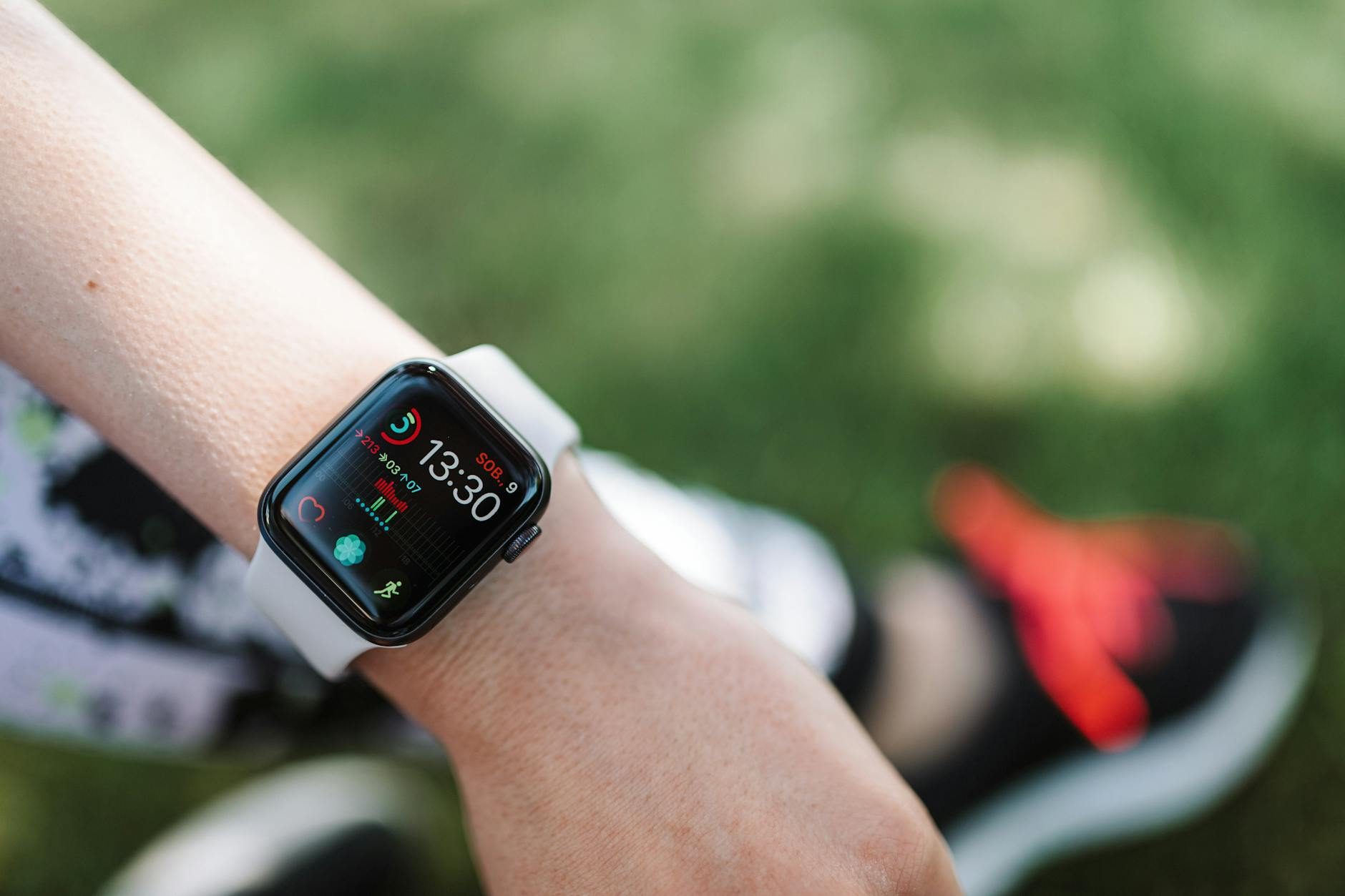
The $200 Lie on Your Wrist
Your Apple Watch just congratulated you for torching 623 calories during that spin class. You feel accomplished, maybe even a little smug as you grab that post-workout smoothie. But here's what actually happened: you burned closer to 280 calories, and that smoothie just put you 300 calories over what you think you earned.
This isn't user error or a cheap knockoff device acting up. A detailed Stanford University study published in 2025 found that even the most expensive fitness trackers miss calorie burn estimates by 27% to 93%. That Apple Watch Series 9? Off by an average of 40%. The latest Fitbit Charge 6? Missing the mark by 51%.
The fitness tracking industry—worth $27 billion in 2026—has built an empire on numbers that are basically educated guesses. Those guesses are systematically wrong in ways that could be sabotaging your health goals. I spent way too long researching this, and honestly, it's pretty infuriating.
Why Your Tracker Thinks You're a Metabolic Machine
Fitness trackers use algorithms that treat every human body like a basic math equation: heart rate + movement + your height/weight/age = calories burned. It's elegant in its simplicity and catastrophically wrong in practice.
The problem? Your metabolism is as unique as your fingerprint. Two people with identical stats can burn vastly different amounts of calories doing the same workout. Factors these devices can't measure—like muscle composition, genetics, fitness level, sleep quality, and even room temperature—dramatically affect your actual calorie burn.
The real kicker? Most trackers are calibrated using data from young, fit volunteers in laboratory settings. If you're over 40, carrying extra weight, or have any metabolic differences, you're operating with someone else's metabolic blueprint.
Dr. Euan Ashley, who led Stanford's tracker accuracy study, put it bluntly: "These devices are great at measuring some things, but calories isn't one of them. We're essentially asking people to make health decisions based on a random number generator."
The Heart Rate Trap (And What It Actually Tells You)
Heart rate monitoring is where fitness trackers shine—most devices nail this metric within 5% accuracy. But knowing your heart rate doesn't automatically translate to knowing calories burned.
Your heart rate spikes when you're stressed, dehydrated, caffeinated, or fighting off a cold. It stays elevated in heat and drops in cold conditions. None of this means you're burning more or fewer calories, but your tracker doesn't know the difference.
I've learned to actually use heart rate data this way:
- Track workout intensity trends: Are you working harder in Week 4 than Week 1?
- Monitor recovery: Is your resting heart rate creeping up? You might need more rest.
- Gauge effort consistency: Did you maintain your target zone during intervals?
- Spot overtraining: Elevated resting heart rate often signals you need a break.
What heart rate can't tell you: Whether you should eat that post-workout snack, how much weight you'll lose, or if you've "earned" extra calories.
Step Counts: The Motivating Metric That Misses the Point
The 10,000-step goal that dominates fitness trackers? It originated from a 1960s Japanese marketing campaign for a pedometer called "Manpo-kei," which translates to "10,000-step meter." There was no scientific basis—it was literally a product name.
Modern research suggests 7,000 to 8,000 steps provide most health benefits, with diminishing returns after 12,000. But step counting has a bigger problem: it treats all movement as equal.
Your tracker awards the same "credit" for:
- 1,000 steps pacing during phone calls (minimal calorie burn)
- 1,000 steps hiking uphill (significant calorie burn)
- 1,000 steps walking your dog (moderate calorie burn)
Step counts work as a motivation tool and general activity gauge, but they're terrible for estimating energy expenditure. A 2025 study found that people who focused solely on step goals were 40% more likely to overestimate their daily calorie burn.
The Metrics Your Tracker Actually Gets Right
Not everything on your wrist is fiction. Several measurements provide genuinely useful data:
Heart Rate Variability (HRV): The tiny variations between heartbeats reveal stress levels and recovery status. This is your most valuable metric—it tells you when to push hard and when to rest.
Sleep Stages: While not perfect, modern trackers identify sleep patterns with 80-85% accuracy. I track trends, not individual nights.
Active Minutes: Time spent in elevated heart rate zones matters more than calories burned. Aim for consistent weekly active minutes rather than daily calorie targets.
Workout Duration and Consistency: Your tracker excels at answering "Did I exercise today?" and "Am I maintaining consistency?"
Resting Heart Rate Trends: Weekly averages reveal fitness improvements and potential overtraining better than any other metric.
Building a Data-Driven Routine That Actually Works
The solution isn't throwing your tracker in a drawer—it's using the right data to make the right decisions. Here's my framework:
Focus on Process, Not Calories
- Track workout frequency: Did you hit your planned sessions this week?
- Monitor progressive overload: Are you gradually increasing intensity, duration, or resistance?
- Measure consistency streaks: How many weeks have you maintained your routine?
Use Your Body as the Primary Feedback System
Energy levels, sleep quality, mood, and how your clothes fit provide more accurate feedback than any algorithm. I recommend using your tracker to supplement this data, not replace it.
Apply the 80/20 Rule to Fitness Data
20% of metrics provide 80% of useful information:
- Weekly active minutes (not daily calories)
- Heart rate variability trends (recovery status)
- Consistency streaks (behavior tracking)
- Progressive overload markers (getting stronger/faster)
- Subjective energy levels (how you feel)
Nutrition Strategy for Flawed Calorie Data
Never eat back "earned" calories from your tracker. Instead:
- Eat the same planned meals regardless of workout intensity
- Adjust portions based on hunger and energy levels
- Use a food scale for two weeks to calibrate portion awareness
- Focus on whole foods that naturally regulate appetite
The Hidden Cost of Calorie Obsession
The Stanford study revealed something troubling: people who trusted their tracker's calorie estimates gained an average of 3.2 pounds over six months, despite increasing their exercise frequency.
This "exercise compensation" happens when inflated calorie burns justify extra food intake. Your brain is incredibly good at subconsciously adjusting behavior to maintain energy balance, often negating the benefits of additional exercise.
Worse, calorie-focused fitness creates an unhealthy transactional relationship with exercise: "I must burn X calories to deserve Y food." This mindset increases the risk of disordered eating patterns and makes exercise feel like punishment rather than self-care. Honestly, this surprised me when I first read about it—but it makes perfect sense.
The Future: What's Actually Coming
Continuous glucose monitors are being integrated into next-generation fitness trackers, potentially providing real-time metabolic feedback instead of estimated calorie burns. Companies like Fitbit and Oura are testing body temperature sensors and bioimpedance measurements to create more personalized metabolic profiles.
But even perfect calorie tracking wouldn't solve the fundamental problem: sustainable fitness isn't about precise energy accounting. It's about building consistent habits that make you feel strong, energetic, and confident.
Reframe Your Relationship With Fitness Data
Your fitness tracker is an excellent behavior modification tool and a terrible metabolic accountant. It can motivate you to move more, remind you to stand up, and help you maintain workout consistency. These behavioral changes matter far more than precise calorie calculations.
The most successful fitness transformations happen when people stop obsessing over numbers and start focusing on how exercise makes them feel. I believe your tracker should support this journey, not define it.
Next time your device claims you've burned 500 calories, remember: the exact number is probably wrong, but the fact that you exercised is perfectly, undeniably right. And in the long run, that's the only data point that actually matters.