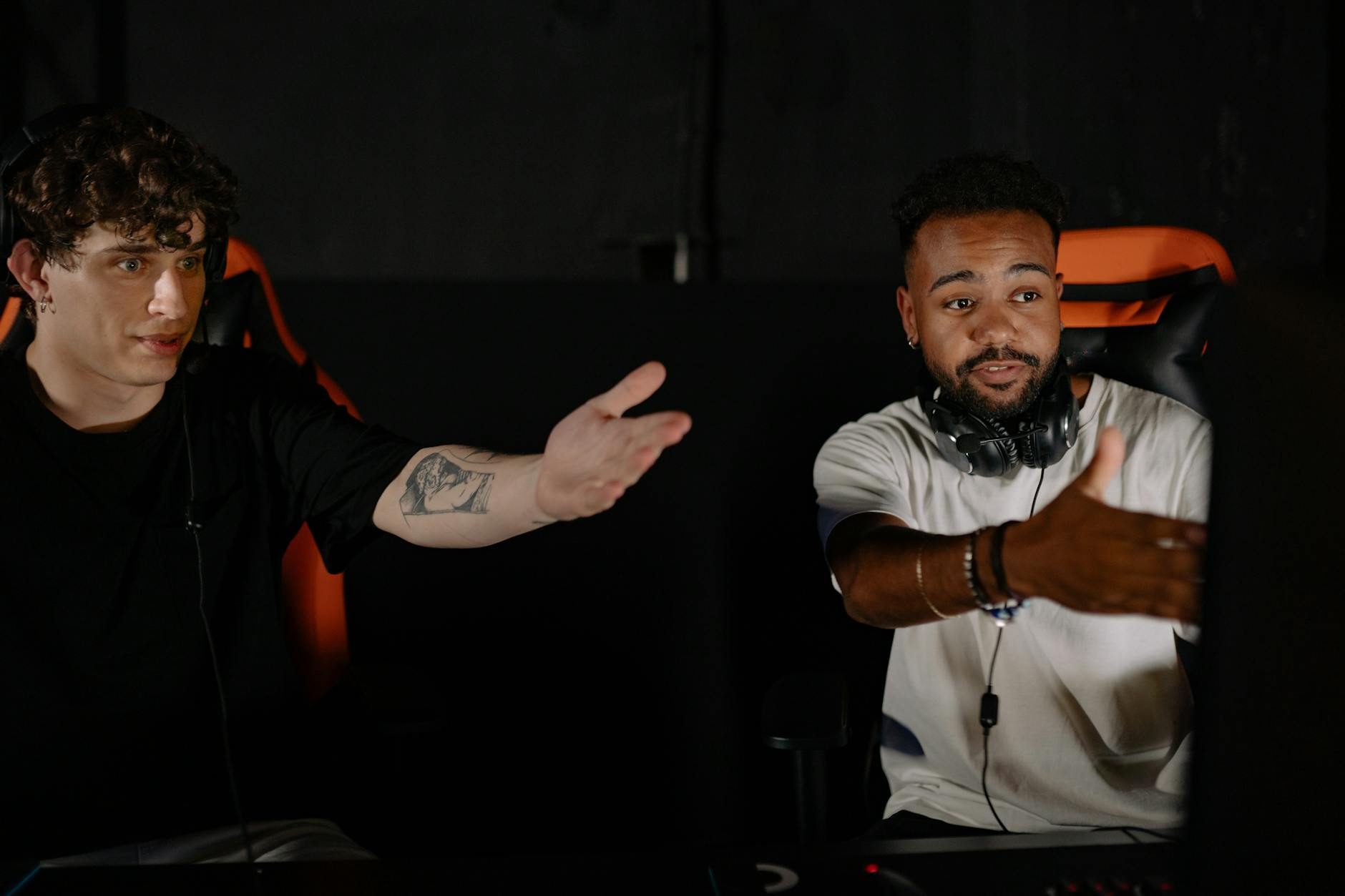
Last January, I decided to turn my gaming hobby into something more. Maybe make a few bucks, build an audience, see what happens. Eight months later, I have some hard numbers and honest thoughts about what it really takes to get started with game streaming and content creation.
Spoiler alert: it is not as simple as "just hit the go live button."
The Equipment Rabbit Hole Nobody Warns You About
I started with what I thought was a decent setup. My RTX 4070 could handle most games at 1440p, and I figured the built-in streaming encoder would do the trick.
I was wrong about a lot of things.
First, streaming eats your hardware for breakfast. Running Cyberpunk 2077 at 60fps while encoding a 1080p stream dropped my frame rate to 45fps. The game looked choppy, and my stream looked worse. I had to dial back settings or accept the performance hit.
Here is what I actually needed to get started properly:
- Decent microphone: Audio-Technica AT2020USB+ ($149) - Good audio matters more than good video
- Proper lighting: Elgato Key Light Air ($130) - Nobody wants to watch a shadow person
- Capture software: OBS Studio (free) or Streamlabs (free with premium options)
- Second monitor: ASUS VA24EHE 24-inch ($89) - Managing chat while gaming is impossible on one screen
Total initial investment: around $370 before you even think about upgrading your PC.
Platform Wars: Where Should You Actually Stream?
I tested four platforms over six months. Here is what I learned from 200+ hours of streaming:
Twitch: The 800-Pound Gorilla
Twitch still owns gaming streams. I averaged 3-7 viewers consistently after three months of regular streaming. The discoverability is rough though - new streamers get buried under thousands of others playing the same games.
The good: Amazing community tools, integrated chat, robust mobile app. The bad: incredibly oversaturated, especially for popular games like Fortnite or Apex Legends.
YouTube Gaming: The Dark Horse
YouTube surprised me. My streams got more views there, and the algorithm actually helped small creators sometimes. Plus, your streams automatically become videos, which is huge for long-term growth.
I gained 400 subscribers on YouTube versus 180 followers on Twitch in the same timeframe.
Facebook Gaming: The Wild Card
Facebook pays streamers through their Level Up program, but the audience skews older. I streamed Cities: Skylines there and found a surprisingly engaged community. Not great for competitive gaming content though.
"Start with YouTube Gaming if you want to build long-term. Go with Twitch if you want the 'authentic' streaming experience. Skip Facebook unless you are streaming simulation or strategy games." - My honest take after testing all three
Game Selection: Why Your Favorite Games Might Be Career Killers
This one hurt to learn. I love playing Valorant, but streaming it was a mistake. The category had 50,000+ viewers but also 2,000+ streamers at any given time. I was viewer number 1,847 in the directory.
Good games for new streamers in 2026:
- Indie darlings: Pizza Tower, Blasphemous 2, Sea of Stars - smaller communities but engaged viewers
- Retro games: Super Metroid randomizers, classic RPGs - nostalgic audiences love these
- Co-op experiences: It Takes Two, A Way Out - great for viewer interaction
- Simulation games: Euro Truck Simulator 2, PowerWash Simulator - surprisingly loyal audiences
Games to avoid as a beginner: anything in the top 10 on Twitch. You will get lost in the crowd.
The Content Creation Side: Beyond Just Streaming
Streaming alone will not build an audience quickly. I learned this the hard way after two months of 2-viewer streams.
What actually worked for growing my channel:
Short-Form Content
YouTube Shorts and TikTok videos of funny stream moments got me more followers than 100 hours of live streaming. I use CapCut (free) to edit 30-60 second clips from my streams.
One 45-second clip of me failing spectacularly in Getting Over It got 12,000 views and brought 50 new followers to my Twitch channel.
Tutorial Content
Teaching viewers specific game mechanics or strategies performs incredibly well. My "How to Solo Queue Ranked in Rocket League" video has 25,000 views and still brings in subscribers six months later.
Pro tip: Screen record your gameplay at 1440p even if you stream at 1080p. You can always downscale for uploads, but you cannot add quality later.
The Money Talk: Realistic Earnings Expectations
Let me be blunt about the finances. After eight months of consistent streaming and content creation, here are my actual numbers:
- Equipment costs: $650 total
- Monthly expenses: $25 (software subscriptions, better internet)
- Time invested: 15-20 hours per week
- Revenue generated: $180 total
Yes, I am still in the red. Most creators are for the first year.
Revenue streams that actually work for small creators:
- YouTube AdSense: $45 over 8 months (need 1,000 subscribers minimum)
- Donations/Tips: $85 total (mostly from regular viewers)
- Affiliate marketing: $50 from promoting gaming gear I actually use
Technical Setup That Actually Matters
After breaking my stream multiple times, here is the technical stuff that actually makes a difference:
Internet Upload Speed
You need at least 10 Mbps upload for stable 1080p streaming. I learned this when my 5 Mbps connection kept dropping frames during Destiny 2 raids. Check your upload speed at speedtest.net - the download number everyone talks about does not matter for streaming.
OBS Settings That Work
I spent way too long figuring this out. Here are settings that work for most people:
- Output: 6000 Kbps bitrate for 1080p 60fps (Twitch affiliates can go higher)
- Encoder: x264 if your CPU can handle it, NVENC for Nvidia GPUs
- Audio: 160 Kbps, 48kHz sample rate
- Recording: Always record locally - you will want clips later
Chat Management
Nightbot (free) handles basic moderation automatically. Set it up before you need it, not after someone starts spamming your chat.
Building Community: The Part Nobody Talks About
Streaming is not about playing games. It is about building relationships with viewers who happen to watch you play games.
What worked for me:
Consistent schedule: I stream Tuesday, Thursday, and Saturday from 7-9 PM EST. Viewers know when to find me, and I stick to it even when I do not feel like streaming.
Discord server: My 30-person Discord server generates more community engagement than my stream chat. People plan gaming sessions, share clips, and actually become friends.
Viewer interaction: I read every chat message out loud and respond to it. Yes, even when it is just "hello." That acknowledgment matters more than you think.
The viewers who became regulars were not the ones impressed by my gameplay. They came back because I remembered their usernames and asked about their day.
Common Mistakes That Will Kill Your Channel
I made these mistakes so you do not have to:
Dead air: Sitting quietly while you play is content suicide. Talk constantly, even if nobody is watching. Explain your strategy, react to the game, tell stories. Silence kills streams.
Inconsistent branding: My early content looked like it came from five different people. Pick a style, color scheme, and personality, then stick with it across all platforms.
Ignoring analytics: YouTube and Twitch provide detailed analytics about when viewers drop off. Use this data. If everyone leaves 10 minutes into your streams, figure out what happens at the 10-minute mark.
Chasing trends blindly: I tried streaming Among Us when it was popular. Terrible idea - I do not enjoy social deduction games, and it showed. Stream games you actually want to play.
Look, streaming and content creation can be incredibly rewarding. I have made genuine friends, improved my communication skills, and learned video editing. But it is also more work than most people realize, and the financial returns take much longer than anyone wants to admit.
Start because you enjoy it, not because you need the money. Treat it like an expensive hobby that might eventually pay for itself. Set realistic expectations, invest in decent equipment gradually, and focus on building genuine connections with viewers.
The creators who succeed long-term are not necessarily the most skilled gamers or the funniest personalities. They are the ones who show up consistently and genuinely care about their community. Everything else you can learn as you go.