What You'll Learn in This Guide
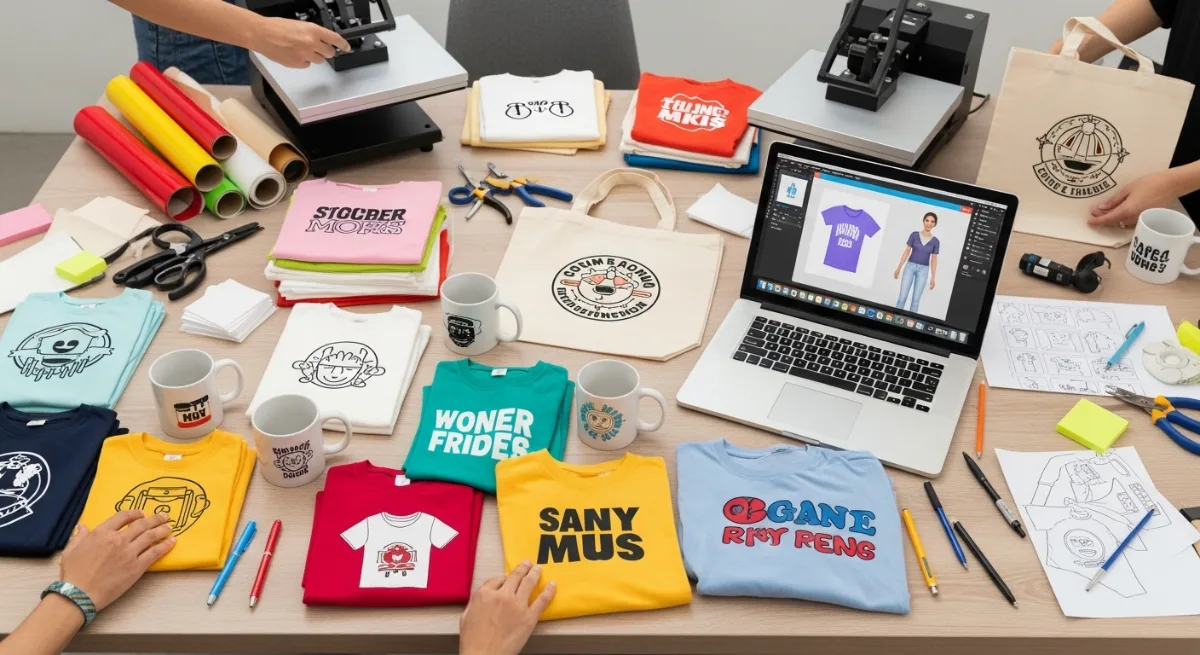
Print-on-demand (POD) is a business model where you create custom designs that get printed on products like t-shirts, mugs, or phone cases only when customers order them. This means you don't need to buy inventory upfront or handle shipping yourself.
In this comprehensive guide, you'll discover how to start your own print-on-demand business, even if you have no design experience or business background. You'll learn to choose profitable niches, create compelling designs, set up your online store, and market your products effectively.
By the end of this guide, you'll have everything you need to launch your first POD business and start generating income online.
What You'll Need to Get Started
Before diving into the steps, here's what you'll need:
- Computer or smartphone with internet access
- Basic design software (free options available)
- Email address for business accounts
- Payment method for platform fees (usually $0-30/month to start)
- 2-5 hours per week initially to set up and manage your business
Investment required: You can start for free on most platforms, though premium plans ($10-30/month) offer better features. No upfront inventory costs required.
Step 1: Choose Your Print-on-Demand Platform
Your POD platform handles printing, shipping, and customer service. Each platform offers different products, profit margins, and integration options.
Popular POD Platforms for Beginners
Printful
- High-quality products and printing
- Integrates with Shopify, Etsy, Amazon
- Higher prices but better quality
- Best for: Serious businesses wanting premium products
Printify
- Lower costs, multiple print providers
- Wide product selection
- Good profit margins
- Best for: Beginners wanting variety and lower costs
Gooten
- Global shipping options
- Competitive pricing
- Good for international sales
- Best for: Targeting global markets
Teespring (Spring)
- Built-in marketplace
- No upfront costs
- Easy social media integration
- Best for: Complete beginners with no website
How to Choose Your Platform
- Compare product catalogs - Choose platforms offering products your target audience wants
- Calculate profit margins - Subtract platform costs from your intended selling price
- Check shipping locations - Ensure they ship to your target markets
- Review integration options - Make sure they work with your preferred selling channels
Pro Tip: Start with one platform to learn the ropes, then expand to others once you're generating consistent sales.
Step 2: Research and Select Your Niche
A niche is a specific market segment with particular interests or needs. Choosing the right niche determines your business success more than any other factor.
How to Find Profitable Niches
- List your interests and hobbies
- What topics do you know well?
- What communities are you part of?
- What problems do you understand?
- Research market demand
- Use Google Trends to check search volume
- Browse Amazon's bestseller lists in relevant categories
- Check Facebook groups and Reddit communities for active discussions
- Analyze competition levels
- Search Etsy and Amazon for similar products
- Look for gaps in existing offerings
- Identify opportunities for better designs or messaging
High-Potential Niches for 2026
- Pet lovers (specific breeds work best)
- Fitness and wellness enthusiasts
- Professional groups (nurses, teachers, engineers)
- Hobby communities (gardening, gaming, crafting)
- Life events (new parents, retirees, graduates)
- Local pride (cities, states, countries)
Niche Validation Checklist
- [ ] People in this niche buy merchandise regularly
- [ ] You can identify 50+ design ideas for this market
- [ ] The niche isn't oversaturated with identical products
- [ ] You understand this audience's language and preferences
- [ ] There's evidence of active online communities
Common Mistake: Choosing overly broad niches like "funny shirts." Specific niches like "funny shirts for dog groomers" perform much better.
Step 3: Create Your Designs
You don't need to be an artist to create successful POD designs. Many top sellers use simple text-based designs or hire freelancers.
Design Creation Options
Option 1: DIY Design Tools
- Canva - User-friendly templates and graphics
- GIMP - Free alternative to Photoshop
- Figma - Professional design tool with free tier
- Placeit - Templates specifically for merchandise
Option 2: Hire Freelancers
- Fiverr - Budget-friendly options starting at $5
- Upwork - Higher-quality designers
- 99designs - Professional design contests
- Local art students - Often affordable and talented
Design Best Practices
- Keep it simple - Clean, readable designs perform better
- Use high resolution - Minimum 300 DPI for print quality
- Consider product placement - Design for where it will appear on the item
- Test readability - Text should be clear at actual product size
- Avoid copyrighted content - Only use original or properly licensed materials
Design Ideas That Sell Well
- Motivational quotes with attractive typography
- Occupation-specific humor and pride statements
- Pet breed illustrations with cute sayings
- Minimalist graphics with meaningful messages
- Local landmarks and regional pride designs
- Hobby-related puns and inside jokes
Pro Tip: Create design variations for different products. A design might work great on a t-shirt but need adjustments for a mug.
Step 4: Set Up Your Online Store
You need a place to showcase and sell your products. You can use existing marketplaces or create your own store.
Selling Channel Options
Etsy (Recommended for Beginners)
- Built-in audience searching for custom products
- Low monthly fees ($0.20 listing fee + transaction fees)
- Easy integration with POD platforms
- Good for testing designs and learning
Amazon
- Massive customer base
- Higher competition
- Strict approval process for new sellers
- Good for scaling successful designs
Your Own Website (Shopify/WooCommerce)
- Complete control over branding
- Higher profit margins
- Requires marketing to drive traffic
- Better for long-term business building
Social Media Selling
- Instagram and TikTok shops
- Facebook marketplace
- Direct social media sales
- Good for building brand awareness
Setting Up Your Etsy Store (Step-by-Step)
- Create your Etsy account
- Use a business email address
- Choose a memorable shop name related to your niche
- Connect your POD platform
- Install the integration app (Printful, Printify, etc.)
- Sync your products automatically
- Optimize your shop profile
- Write a compelling shop description
- Add a professional profile photo
- Include your story and niche focus
- Create your first listings
- Use keyword-rich titles
- Write detailed descriptions
- Add multiple high-quality photos
- Set competitive prices
Product Listing Optimization
Title Structure: Primary Keyword + Product Type + Secondary Keywords + Niche
Example: "Funny Dog Mom Shirt - Golden Retriever Lover Gift - Women's Unisex T-Shirt"
Description Template:
- Hook (why they need this product)
- Product details (materials, sizes, colors)
- Care instructions
- Your brand story
- Keywords naturally woven throughout
Photo Requirements:
- Product mockups showing the design clearly
- Lifestyle photos showing the product in use
- Close-up shots highlighting design details
- Size and fit guide images
Step 5: Price Your Products for Profit
Pricing determines both your profit margins and sales volume. Too high and you won't sell; too low and you won't profit.
Pricing Formula
Your Price = Platform Cost + Desired Profit + Marketplace Fees
Example for a t-shirt:
- Platform cost: $12
- Desired profit: $8
- Etsy fees (6.5%): $1.30
- Final price: $21.30 (round to $21.99)
Competitive Pricing Research
- Search for similar products in your niche
- Note the price range of top-selling items
- Identify your competitive advantage (better design, quality, service)
- Price slightly below premium competitors while maintaining healthy margins
Pricing Strategies by Product Type
T-Shirts: $18-$28 (most popular range)
Hoodies: $35-$50
Mugs: $15-$22
Phone Cases: $20-$30
Tote Bags: $18-$25
Pro Tip: Test different price points with similar designs to find your optimal pricing sweet spot.
Step 6: Launch and Market Your Products
Creating great products is only half the battle. You need to drive traffic and convert visitors into customers.
Organic Marketing Strategies
Social Media Marketing
- Instagram
- Post product photos with lifestyle shots
- Use relevant hashtags (#dogmom #goldenretriever #funnytshirts)
- Engage with your target audience's posts
- Share behind-the-scenes content
- TikTok
- Create quick videos showing your designs
- Use trending sounds with your niche content
- Show the design process or product reveals
- Engage with niche-specific hashtags
- Pinterest
- Create boards around your niche topics
- Pin high-quality product images
- Use keyword-rich descriptions
- Join group boards in your niche
Content Marketing
- Start a blog about your niche topics
- Create YouTube videos related to your audience's interests
- Write guest posts for niche websites
- Participate in relevant online communities
Paid Advertising Options
Etsy Ads
- Start with $5-10 daily budget
- Target your best-performing products
- Use automatic targeting initially
- Monitor and adjust based on performance
Facebook/Instagram Ads
- Create lookalike audiences based on your niche
- Use high-quality product images
- Test different ad copy and audiences
- Start with $10-20 daily budget
Pinterest Ads
- Promote your best pins
- Target keywords and interests
- Use vertical, high-quality images
- Good for lifestyle and hobby niches
Email Marketing Setup
- Choose an email platform (Mailchimp, ConvertKit, Klaviyo)
- Create a lead magnet (design tips, niche-specific content)
- Set up automated sequences for new subscribers
- Send regular updates about new products and sales
Common Problems and Solutions
Problem: No Sales After Launch
Causes:
- Poor product-market fit
- Weak marketing efforts
- Pricing too high
- Low-quality product images
Solutions:
- Research competitor pricing and adjust
- Increase social media activity and engagement
- Improve product photos and descriptions
- Test different niches or design styles
Problem: Low Profit Margins
Causes:
- Pricing too low
- Choosing expensive platforms
- High marketplace fees
Solutions:
- Gradually increase prices on new products
- Compare platform costs and switch if needed
- Focus on higher-margin products
- Build your own website to reduce marketplace fees
Problem: Copyright Issues
Causes:
- Using protected images or text
- Copying competitor designs
- Using trademarked phrases
Solutions:
- Only use original designs or properly licensed content
- Research trademarks before using phrases
- Create original artwork or hire designers
- Use royalty-free graphics and fonts
Problem: Seasonal Sales Fluctuations
Causes:
- Niche-specific buying patterns
- Holiday dependencies
- Limited product range
Solutions:
- Diversify into multiple niches
- Create year-round relevant designs
- Plan seasonal products in advance
- Build email list to maintain customer relationships
Scaling Your Print-on-Demand Business
Once you're generating consistent sales, it's time to grow your business systematically.
Growth Strategies
- Expand your product line
- Add complementary products to successful designs
- Test new product types with your existing audience
- Create product bundles and collections
- Enter new marketplaces
- List successful products on additional platforms
- Adapt your strategy for each marketplace
- Cross-promote between channels
- Build your brand
- Develop consistent visual identity
- Create brand story and messaging
- Build direct customer relationships
- Automate operations
- Use tools for social media scheduling
- Set up automated email sequences
- Streamline design creation processes
Advanced Marketing Tactics
- Influencer partnerships in your niche
- Affiliate programs for customer referrals
- Seasonal campaigns and limited-time offers
- Customer surveys for product development
- Retargeting campaigns for website visitors
What to Do Now
Your print-on-demand journey starts with taking the first step. Here's your immediate action plan:
This Week:
- Choose your POD platform and create an account
- Research and select your initial niche
- Create or source your first 5-10 designs
- Set up your selling channel (Etsy recommended for beginners)
Next 30 Days:
- Launch your first products with optimized listings
- Start building your social media presence
- Begin creating content around your niche
- Monitor performance and gather customer feedback
Months 2-3:
- Analyze your best-performing products and create variations
- Expand to additional marketplaces
- Implement email marketing
- Consider paid advertising for your top products
Remember: Success in print-on-demand comes from consistent effort and continuous learning. Start small, test frequently, and scale what works. Your first sale might come within days or weeks, but building a sustainable business typically takes 3-6 months of dedicated effort.
The most important step is starting. Choose your platform today and begin your journey toward building a profitable print-on-demand business.