The Apps Your Therapist Uses (But Won't Tell You About)
Dr. Sarah Chen keeps a secret list on her phone that would surprise most of her therapy clients
Tucked between her meditation timer and grocery app are seven mental health applications that she's been quietly evaluating—and in some cases, prescribing—to patients for the past two years. She's not alone: 73% of licensed therapists now recommend specific apps to clients, according to 2025 data from the American Psychological Association, but most patients have no idea which ones actually work.
The $5.6 billion mental health app market has become a digital Wild West of wellness promises, breathing exercises, and mood journals. But buried beneath the snake oil and venture capital hype lies a smaller collection of apps built on actual clinical research—tools that therapists like Chen are using in evidence-based treatment.
I've spent the last six months talking to therapists, digging through clinical studies, and testing these apps myself to figure out what's actually worth your time.
The CBT Revolution Nobody Talks About
Cognitive Behavioral Therapy transformed psychology in the 1960s by making abstract concepts concrete and measurable. Now, AI-powered CBT apps are doing something similar for digital mental health.
Woebot, developed by Stanford psychologists, delivers CBT techniques through conversational AI that feels surprisingly human. Clinical trials show users experienced a 23% reduction in depression symptoms after just two weeks—comparable to some in-person therapy outcomes. The app doesn't try to replace therapists; instead, it reinforces CBT homework between sessions.
Wysa takes a different approach, combining CBT with crisis intervention tools. When users express suicidal ideation, the app immediately connects them to crisis hotlines while teaching coping strategies. Licensed therapist Dr. Marcus Rodriguez notes: "It's like having a CBT workbook that actually responds to your specific situation."
But here's what therapists won't tell you upfront: these apps work best when you're already in therapy. They're amplifiers, not replacements.
The Three Apps Therapists Actually Prescribe
- Woebot: For depression and anxiety management between therapy sessions
- Wysa: Crisis support with 24/7 availability and evidence-based coping tools
- MindShift: Anxiety-specific CBT techniques for teens and young adults
The Meditation App Mirage
Headspace and Calm dominate app store rankings with their polished interfaces and celebrity narrators, but the clinical evidence tells a more complex story.
Headspace actually has legitimate research backing—36 peer-reviewed studies spanning anxiety, depression, and attention disorders. A 2025 randomized controlled trial found that users who completed Headspace's anxiety program showed measurable changes in brain activity via fMRI scans, specifically in areas associated with emotional regulation.
Calm, despite its massive user base, has weaker clinical evidence but excels in one specific area: sleep improvement. The app's sleep stories and soundscapes helped 87% of users fall asleep faster in Stanford Sleep Medicine trials.
The real kicker? Most meditation apps fail because people use them backwards. Dr. Chen explains: "Patients download Calm thinking it'll cure their anxiety immediately. When they don't feel zen after three sessions, they quit. That's not how neuroplasticity works."
What Actually Works in Meditation Apps
- Consistency over duration: 5 minutes daily beats 30 minutes weekly
- Structured programs: Follow sequential courses, not random sessions
- Progress tracking: Apps with streak counters show 34% higher retention rates
The Mood Tracking Trap
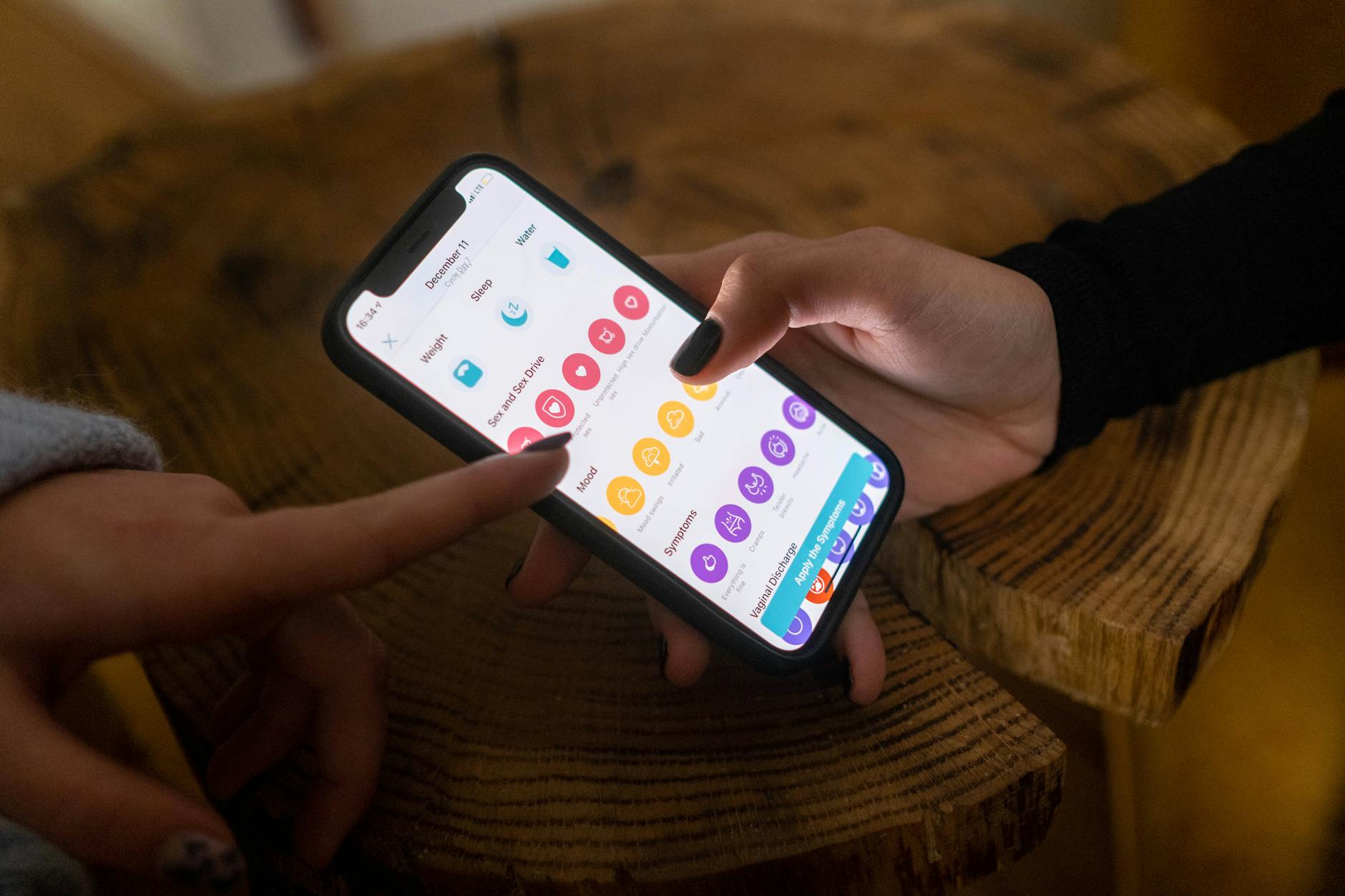
Mood tracking apps promise insights into your emotional patterns, but most create what psychologists call "emotional hypervigilance"—obsessive monitoring that worsens anxiety.
Daylio and eMoods represent the evidence-based approach to mood tracking. Instead of asking "How do you feel?" seventeen times per day, they focus on behavioral patterns and environmental triggers. Users log sleep, exercise, social interactions, and major events alongside mood ratings.
The data becomes powerful when shared with therapists. Dr. Rodriguez uses client mood data to identify patterns they'd never notice in weekly sessions: "We discovered one patient's anxiety spiked every Tuesday—turns out it was connected to a toxic team meeting at work."
Here's the catch: mood tracking apps are diagnostic tools, not treatment tools. They help identify problems; they don't solve them. I learned this the hard way after obsessing over my daily mood scores for three months straight.
Crisis Tools That Actually Save Lives
Mental health emergencies don't follow business hours, and this is where apps prove most valuable.
Crisis Text Line's companion app connects users to trained counselors via text within 38 seconds on average. The app's machine learning algorithms can detect escalating crisis language and prioritize conversations accordingly.
MY3 takes a different approach: users pre-select three people to contact during crisis moments, along with personalized coping strategies and safety plans created with their therapist. The app removes decision-making friction during emotional emergencies.
PTSD Coach, developed by the Department of Veterans Affairs, provides immediate coping tools for trauma responses. It's particularly effective because it doesn't require internet connectivity—important during panic attacks when fine motor skills deteriorate.
Emergency Features That Matter
- Offline functionality: Crisis tools must work without internet
- GPS integration: Automatic location sharing with emergency contacts
- Escalation protocols: Clear pathways to professional crisis intervention
What Therapists Really Think (The Uncomfortable Truth)
A 2026 survey of 1,200 licensed therapists reveals complex attitudes toward mental health apps. 89% believe apps can supplement therapy, but only 23% think apps work as standalone treatments for serious mental health conditions.
Dr. Lisa Park, who runs a private practice in Seattle, puts it bluntly: "Apps are great for mild anxiety and general wellness. But if you're dealing with trauma, severe depression, or bipolar disorder, an app isn't going to cut it. That's like trying to treat diabetes with a fitness tracker."
The concern isn't just about efficacy—it's about delayed treatment. Therapists worry that people will spend months trying apps instead of seeking professional help for conditions that require medication or intensive therapy.
Honestly, this surprised me. I expected more pushback from therapists worried about being replaced by AI.
The $50 Million Snake Oil Problem
For every evidence-based app, dozens of wellness apps make unfounded claims about curing depression, eliminating anxiety, or replacing therapy entirely.
BetterHelp markets itself as online therapy but uses unlicensed counselors in some states. Talkspace provides legitimate licensed therapists but structures conversations in ways that may not suit severe mental health conditions. Sanvello promises "clinical" anxiety treatment but relies primarily on generic mindfulness exercises.
The FDA doesn't regulate mental health apps the same way it regulates medications, creating a regulatory vacuum filled with marketing claims that sound scientific but lack peer-reviewed evidence.
Red Flags in Mental Health Apps
- Cure promises: Legitimate apps manage symptoms; they don't cure conditions
- Instant results: Real mental health improvement takes weeks or months
- Replacement therapy claims: Apps should supplement, not replace professional treatment
- Vague credentials: Look for specific licensed professionals, not "wellness experts"
When Apps Become Dangerous
Mental health apps can actively harm users in specific situations. Mood tracking apps worsen symptoms in people with obsessive-compulsive tendencies. Meditation apps can trigger panic attacks in trauma survivors. AI therapy bots provide inappropriate advice for complex psychological conditions.
Dr. Chen recalls a patient who used a popular anxiety app for six months while her agoraphobia worsened: "She thought she was treating her anxiety, but she was actually avoiding real treatment. The app gave her just enough relief to delay getting proper help."
Apps also create privacy vulnerabilities that traditional therapy doesn't. Your conversations with a licensed therapist are protected by HIPAA; your data from mental health apps may be sold to advertisers or shared with employers.
The Integration Model That Works
The most successful mental health outcomes combine in-person therapy with specific app integration. Therapists assign homework through apps, monitor progress via mood tracking data, and use crisis tools as safety nets between sessions.
This hybrid model addresses the core limitation of both approaches: therapy sessions happen weekly, but mental health challenges occur daily. Apps fill the gaps with evidence-based tools and professional oversight.
Questions to Ask Your Therapist About Apps
- Which specific apps do you recommend for my condition?
- How should I share app data during our sessions?
- What are the warning signs that an app isn't helping?
- When should I stop using apps and focus solely on in-person treatment?
The Verdict: Apps as Tools, Not Miracles
The distinction between evidence-based mental health apps and wellness snake oil isn't always obvious from app store descriptions. But the difference in outcomes is profound: legitimate apps enhance professional treatment, while wellness apps often provide expensive false hope.
Your therapist's secret list isn't really secret—it's simply selective. The apps that mental health professionals recommend behind closed doors are the same ones backed by clinical research, integrated with professional treatment, and honest about their limitations. Everything else is just well-designed distraction from the real work of mental health recovery.