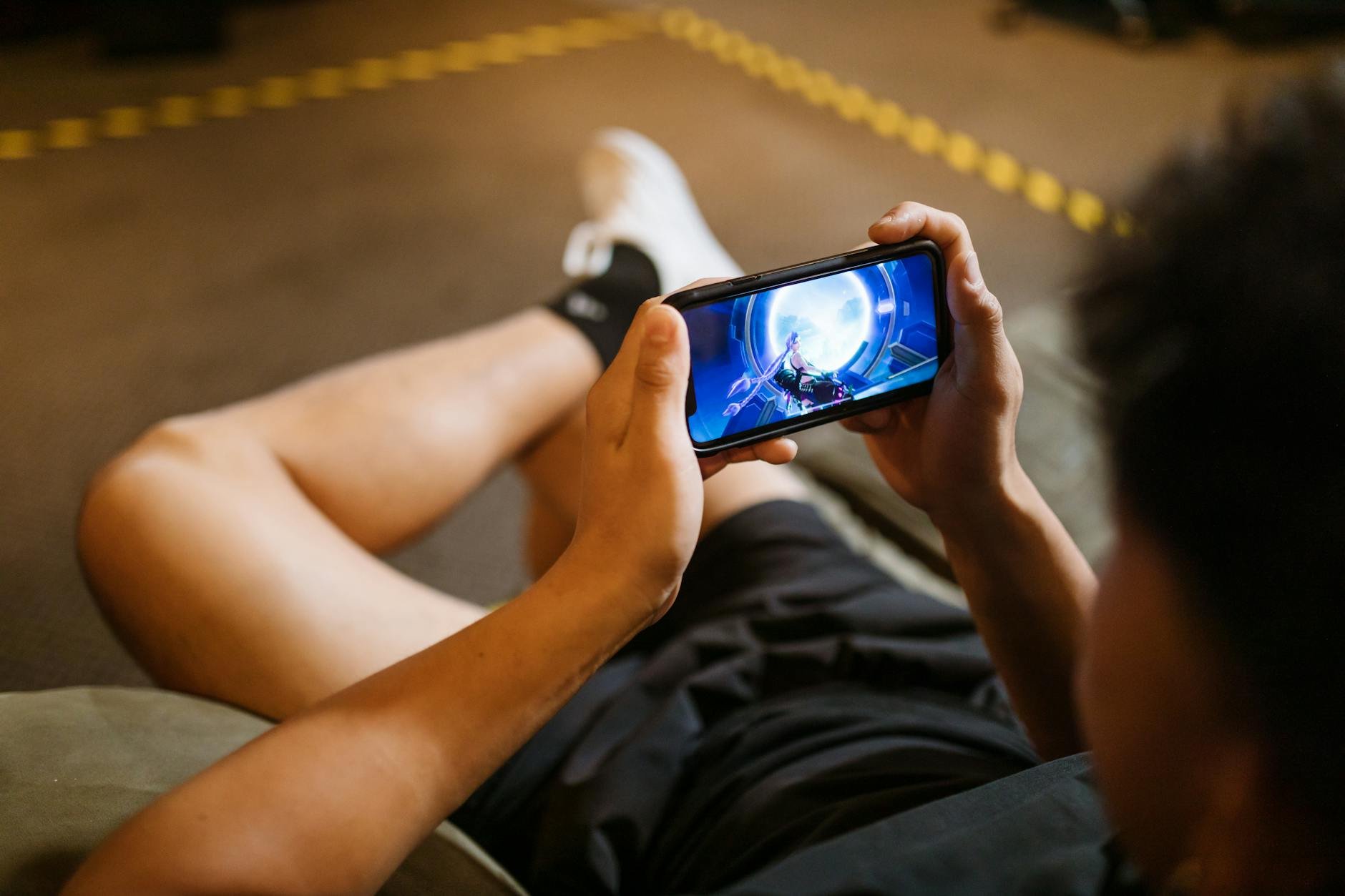
Walk through any bus terminal in Accra, Lagos, Nairobi, or Johannesburg and you will see the same scene: people of every age, across every income level, heads bent over phones — gaming. Not scrolling social media. Gaming. Mobile gaming in Africa is not a niche hobby. It is a mass behaviour, and the numbers confirm what anyone who pays attention can already see: Africa is one of the fastest-growing mobile gaming markets in the world.
Why Mobile Gaming Dominates Africa
The reasons are structural, not cultural. Mobile gaming thrives in Africa because the infrastructure for it — smartphones and mobile networks — arrived before the infrastructure for other gaming platforms. There are no gaming console retail chains in most African cities. Gaming PCs are expensive imports. But everyone has a phone, and the phone already does everything else in life.
• 200+ million active mobile gamers across the continent
• Fastest-growing mobile gaming market globally
• Nigeria, South Africa, Ghana, and Kenya lead in player numbers
• Free-to-play games account for over 85% of African gaming activity
• Mobile gaming revenue in Africa projected to exceed $1 billion in 2026
The free-to-play model is specifically suited to African market conditions. Paying upfront for a game — the standard model for console and PC gaming — is a barrier when disposable income is variable. Free-to-play games allow entry with no initial cost, with optional spending for cosmetics or progression advantages. This model converts far better in markets where entertainment spending is discretionary and price-sensitive.
The Games Actually Worth Playing — By Category
Battle Royale and Shooting Games
PUBG Mobile remains the dominant competitive shooter on African mobile platforms. The game is graphically impressive by mobile standards, has large African server populations for reasonable ping, and has an active competitive scene. The free-to-play model is relatively fair — spending money provides cosmetic items but does not directly improve combat performance.
Call of Duty Mobile offers a faster, more arcade-style experience than PUBG Mobile. The control scheme is intuitive, the matches are shorter (better for variable data connections), and the game's popularity means finding matches quickly at any time of day in West and East Africa.
Football Games
EA FC Mobile (formerly FIFA Mobile) has the largest player base of any mobile game in Ghana and Nigeria. Football culture and mobile gaming culture overlap completely here — every football fan is a potential player. The game is free to start, though its Ultimate Team card system is designed to encourage spending on player packs.
eFootball (formerly PES Mobile) offers an alternative with different gameplay feel — more simulation-focused than EA FC Mobile's arcade tendencies. The game is free and has a growing competitive community across Africa.
Strategy and Building Games
Clash of Clans and Clash Royale from Supercell have maintained massive African player bases for years. These games are specifically designed for intermittent play — build something, wait, come back — which suits the interrupted gaming sessions that mobile gaming in Africa typically involves. They work on slow connections and do not require continuous attention.
Card and Puzzle Games
Hearthstone, available on mobile, offers deep strategic gameplay with no graphics-intensive requirements. It plays well on older phones and slow connections, making it genuinely accessible across Ghana's varied network conditions. The game requires strategic thinking rather than reflexes, making it a strong choice for players who prefer depth over action.
Managing the Spending Trap
Free-to-play mobile games generate revenue through in-app purchases designed using behavioural psychology principles to encourage spending. Limited-time offers, battle passes, character unlocks, and loot boxes are all engineered to create purchase impulses. Understanding this mechanism does not make you immune to it, but it does help.
The African mobile gaming scene is growing into a legitimate competitive industry. Esports tournaments with real prize pools are being organised across Ghana, Nigeria, and South Africa. Streaming gaming content on YouTube and TikTok is becoming a viable income source for African creators. The platform that started as casual entertainment is evolving into something with genuine career potential — and it all runs on a device already in your pocket.