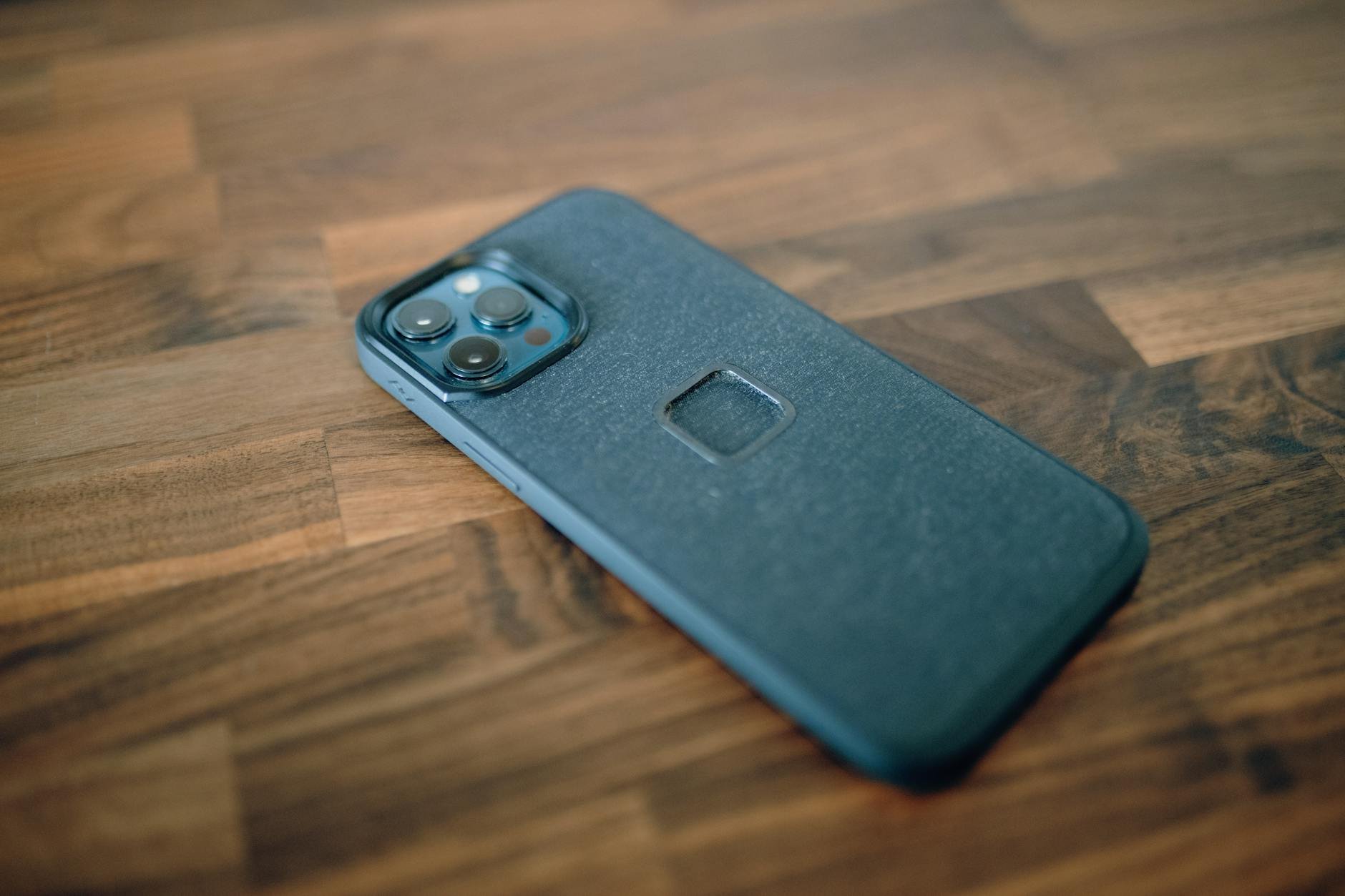
A smartphone in Ghana costs between GHS 800 and GHS 8,000 depending on the model. A broken screen replacement for a mid-range Android phone costs GHS 300–600. A replacement for a high-end Samsung or iPhone screen can exceed GHS 1,500. The case and screen protector on your phone — costing a combined GHS 50–300 — are the difference between a protected investment and an expensive repair bill.
The problem is that most phone case marketing is misleading. Cases that look robust often provide minimal real-world protection. Expensive branded cases sometimes perform worse than much cheaper alternatives. This guide explains what actually protects phones and how to choose correctly.
Understanding Drop Protection
Phone cases are tested against military drop standards (MIL-STD-810G) — a series of tests that include drops from specific heights onto specific surfaces. Cases that pass these tests are meaningfully more protective than cases that do not. However, the MIL-STD certification is not required for a case to claim drop protection — manufacturers can use the term loosely.
TPU (thermoplastic polyurethane): Flexible rubber-like material. Excellent shock absorption. Yellows over time.
Polycarbonate (PC): Hard plastic. Rigid structure. Poor shock absorption alone but excellent combined with TPU.
Silicone: Soft, grippy. Moderate shock absorption. Collects lint.
Best protection: Cases that combine a rigid PC outer shell with a TPU inner layer — the PC distributes impact force, the TPU absorbs it.
The Lip — Why It Matters More Than Material
The most important structural feature of a protective case is the lip — the raised edge around the screen and camera that prevents direct glass contact when the phone is placed face-down or dropped face-first. A case without a raised lip provides almost no screen protection regardless of its material. Look for cases with at least 1.5mm lip above the screen surface and a separate raised ring around the camera module.
Screen Protectors — Tempered Glass vs Film
Tempered glass screen protectors are significantly better than plastic film at preventing scratches and reducing screen damage in drops. Tempered glass shatters on impact rather than transmitting the force directly to the phone screen — the protector sacrifices itself. Plastic film bends on impact and transfers force to the phone screen. For any phone worth protecting, tempered glass is the appropriate choice.
Tempered glass screen protectors in Ghana range from GHS 15 (market stalls, no brand, questionable quality) to GHS 80 (branded, proper hardness rating). A GHS 15 tempered glass protector installed with air bubbles and poor alignment provides minimal protection. Budget at least GHS 40 for a properly rated protector and have it installed correctly — most phone repair shops offer installation for GHS 10–20.
Recommended Cases by Phone Category
Samsung Galaxy A-Series and S-Series
Spigen and Caseology make the most reliable protective cases for Samsung devices globally and their products reach Ghana through online import and some specialist retailers. The Spigen Tough Armor (dual-layer PC+TPU, kickstand) and Spigen Rugged Armor (TPU with reinforced corners) consistently outperform more expensive branded alternatives in independent drop tests. Budget GHS 100–200 for a genuine Spigen case through authorised resellers.
Tecno, Infinix, and itel (Made for Ghana's Most Common Phones)
Cases for Tecno, Infinix, and itel phones — the dominant smartphone brands in Ghana by volume — are widely available in Accra markets in the GHS 15–60 range. Quality is extremely variable. Avoid the thinnest and cheapest options (below GHS 20) and look for cases with visible TPU construction and raised lips rather than purely decorative designs marketed primarily on aesthetics.
Accra Mall (iStore, Samsung Experience Store): Genuine branded cases, higher prices
Jumia Ghana: Wide selection, read reviews carefully, verify seller ratings
Electronics markets (Okaishie, Opera Square): Cheapest prices, highest risk of counterfeit or poor quality
Social media resellers: Convenient but no easy recourse if quality disappoints
The Total Protection Budget
For a phone costing GHS 1,500–3,000, budget GHS 150–300 for a quality case and tempered glass screen protector. For a phone costing GHS 3,000+, budget GHS 300–600 for protection. This represents 10–15% of the phone's value — insurance against a much larger repair or replacement cost. The case that costs GHS 20 at a market stall is not protection; it is the illusion of protection. A case that actually absorbs drops costs more because the materials that absorb impacts cost more to manufacture.