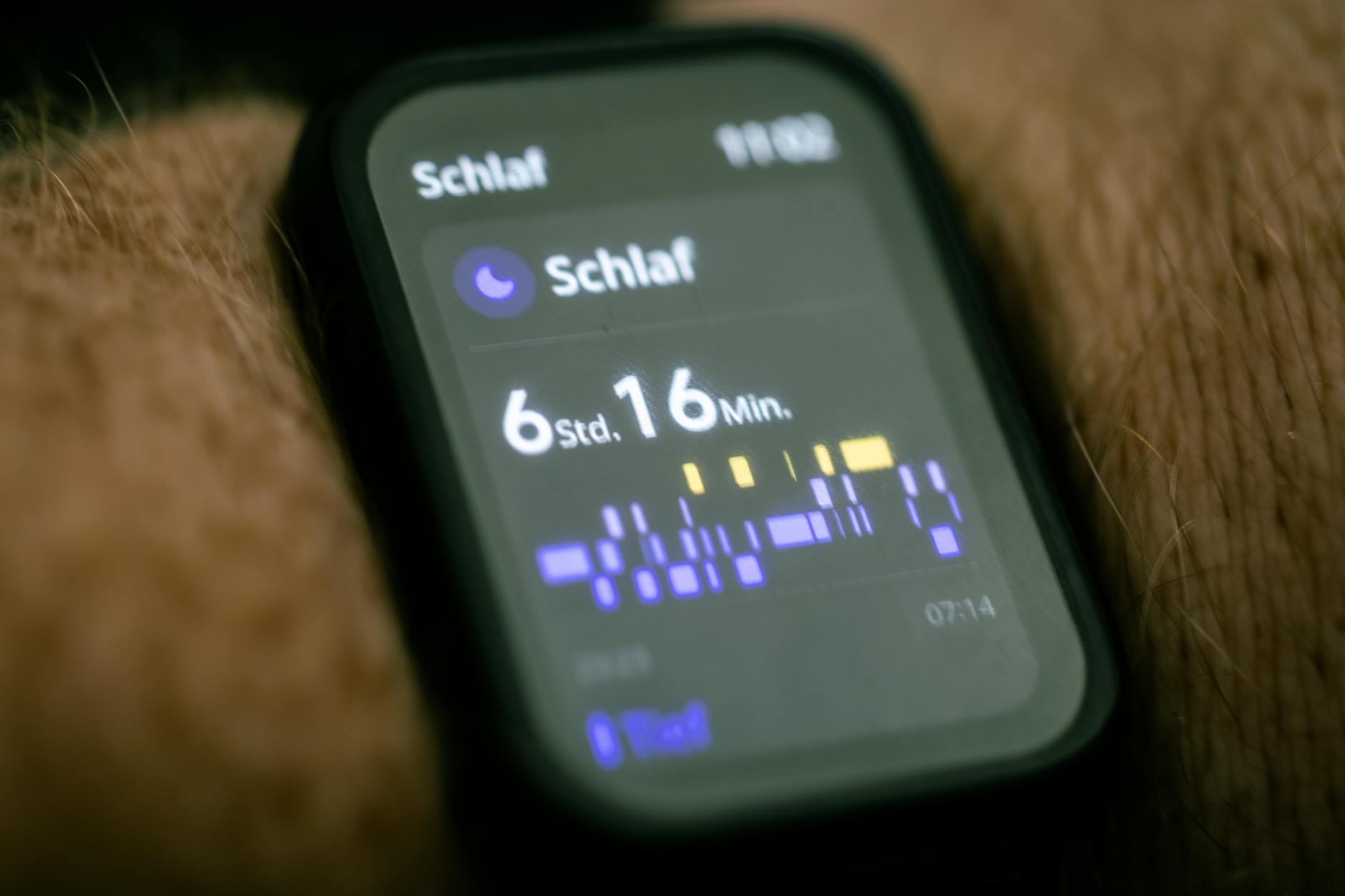
Your Phone Is Destroying Your Sleep — Here's the Science and the Fix
Your phone checks hit different at 2 AM, don't they? I've been there — that little dopamine rush from Instagram likes or TikTok videos feels way more intense when I should be sleeping. There's actually hard science behind why our brains crave that glowing rectangle when they should be powering down.
The numbers are wild: the average person checks their phone 96 times per day, and 71% of us sleep with our phones within arm's reach. I used to be one of those people. Your sleep quality isn't just suffering — it's being systematically demolished by the very device you can't put down.
But here's what sleep researchers discovered in 2024 that changes everything about how we fight phone-induced insomnia.
Why Your Phone Is Your Sleep's Worst Enemy
The Blue Light Catastrophe Everyone Talks About
You've heard about blue light, but the reality is scarier than the headlines suggest. I spent way too long researching this, but here's what matters: your phone's screen emits light at 460-480 nanometers — the exact wavelength that tricks your brain into thinking it's noon.
When this blue light hits your retina, it sends a signal to your suprachiasmatic nucleus (your brain's master clock). This tiny cluster of neurons immediately tells your pineal gland: "Stop making melatonin. It's daytime!"
The result? Your natural sleep hormone production gets crushed for up to 3 hours after just 2 minutes of phone use.
The Dopamine Trap That Keeps You Scrolling
This part honestly surprised me when I first learned about it. Your phone doesn't just mess with your circadian rhythm. It hijacks your brain's reward system.
Every notification, like, comment, or swipe triggers a small dopamine release. At night, when your brain's executive functions are tired, this dopamine system runs wild. You literally become addicted to the stimulation.
Dr. Anna Lembke from Stanford calls this "dopamine dysregulation" — and it's why you can't stop scrolling even when you're exhausted.
Your Stress Response Goes Into Overdrive
That work email at 11 PM? The heated comment thread you stumbled into? Your brain processes these as real threats, flooding your system with cortisol and adrenaline.
Your body thinks it needs to stay alert for danger. Good luck falling asleep when your nervous system is in fight-or-flight mode.
The Real Cost of Phone-Disrupted Sleep
I track my sleep obsessively (occupational hazard of running a tech blog), so these numbers hit me hard.
People who use phones within an hour of bedtime take 23% longer to fall asleep and experience 16% less REM sleep. That's the deep, restorative sleep your brain needs to process memories and emotions.
Bad sleep compounds fast:
- Your immune system weakens by 70% after just one night of poor sleep
- Insulin sensitivity drops, making you crave junk food the next day
- Your ability to focus plummets to levels similar to being legally drunk
In countries like India and Brazil, where phone usage has skyrocketed, sleep disorders have increased by 40% in the past five years. This isn't just a rich-country problem.
What Doesn't Work (And Why You've Been Failing)
"Just Put Your Phone in Another Room"
This advice assumes you have willpower at 11 PM when your brain is tired. You don't. I've tested this — you'll walk to get your phone anyway, telling yourself you just need to "check one thing."
Blue Light Blocking Glasses
These help with the circadian rhythm disruption, but they do nothing about the dopamine addiction or stress response. You're still scrolling, just through slightly orange lenses.
Sleep Mode and Do Not Disturb
These features are better than nothing, but they're passive solutions. They don't address the root cause: your brain's trained dependency on phone stimulation.
The Science-Backed Solutions That Actually Work
Step 1: Create a Digital Sunset (Starting Right Now)
I recommend opening your phone's settings and setting up these automated boundaries:
For iPhone users:
- Go to Settings > Screen Time > Downtime
- Set it to start 2 hours before your target bedtime
- Only allow Phone, Clock, and one meditation app
- Enable "Block at Downtime" so you can't override it easily
For Android users:
- Settings > Digital Wellbeing > Bedtime mode
- Set your bedtime schedule
- Choose "Keep only essential apps"
- Enable grayscale mode to make your phone less visually appealing
Pro tip: Set this up right now, before your willpower fades tonight. The best time to make good decisions is when you're not tired.
Step 2: Replace the Dopamine Hit
Your brain needs stimulation. Instead of fighting this need, redirect it.
I suggest downloading Insight Timer (free globally) or Headspace and creating a bedtime routine that gives you gentle stimulation without the sleep-destroying effects:
- Progressive muscle relaxation (15 minutes)
- Breathing exercises (5 minutes)
- Sleep stories (until you fall asleep)
These activities trigger different neurochemicals — GABA and serotonin — that actually promote sleep instead of destroying it.
Step 3: The Phone Parking Strategy
Instead of keeping your phone in another room (which you'll ignore), I've found it works better to create a "phone parking station" that makes retrieval annoying enough to break the habit:
- Put your phone in a drawer in your bedroom
- Plug it in to charge there
- Put a physical book or journal on top of it
- Set a cheap analog alarm clock next to your bed
When you reach for your phone out of habit, you'll hit the book first. This 2-second delay is enough for your prefrontal cortex to kick in and remind you why you're trying to avoid your phone.
Step 4: Master the 3-2-1 Rule
3 hours before bed: No more food (affects sleep architecture)
2 hours before bed: No more work (prevents cortisol spikes)
1 hour before bed: No more screens (preserves melatonin production)
This isn't just about phones — laptops, TVs, and tablets all emit sleep-disrupting light.
Advanced Strategies for Stubborn Cases
The Airplane Mode Compromise
If you absolutely can't put your phone away (maybe you're on call for work), I suggest switching to airplane mode and only using downloaded content:
- Downloaded podcasts or audiobooks
- Offline meditation apps
- E-reader apps with night mode
This eliminates the infinite scroll problem while keeping some functionality.
Chronotherapy for Shift Workers
If you work nights or irregular hours (common in healthcare, manufacturing, or service industries globally), your circadian rhythm is already disrupted. Use your phone strategically:
- Bright light exposure during your "morning" (even if it's 6 PM)
- Blue light blocking 3 hours before your sleep time
- Consistent sleep schedule even on days off
The Social Pressure Solution
Tell your family, roommates, or partner about your phone curfew. Ask them to call you out if they see you scrolling late. Social accountability works when willpower fails.
In many African and Asian cultures where family involvement in personal habits is more accepted, this approach is particularly effective.
Dealing with FOMO and Anxiety
The hardest part isn't the technical setup — it's the psychological withdrawal.
Why You Feel Anxious Without Your Phone
Your brain has learned that constant connectivity equals safety. Without your phone, you feel vulnerable and disconnected. This is normal and temporary.
The 7-Day Adjustment Period
Expect the first week to suck. Your sleep might actually get worse initially as your brain adjusts to the new routine. This is called "extinction burst" in behavioral psychology.
By day 8, most people report significantly better sleep quality and faster sleep onset.
Morning Phone Rules That Support Better Sleep
What you do with your phone in the morning affects your sleep 16 hours later:
- Don't check your phone for the first 30 minutes after waking
- Get natural sunlight before looking at screens
- Set phone boundaries for the entire day, not just bedtime
Troubleshooting Common Problems
"I Need My Phone for My Alarm"
Buy a basic alarm clock. In most countries, you can get one for under $10. The Casio DQ-581 works globally and runs on batteries.
If you absolutely must use your phone, put it across the room and use the "Bedtime" alarm feature that wakes you with gentle sounds instead of jarring notifications.
"What About Emergencies?"
Real emergencies are rare, and your phone will still ring for calls even in Do Not Disturb mode if you set up emergency contacts.
For most people, "emergency" is code for "what if something mildly interesting happens and I miss it."
"I Fall Asleep to YouTube/Netflix"
This seems helpful but actually fragments your sleep. The audio and light changes throughout the night trigger micro-awakenings that prevent deep sleep.
I recommend trying sleep podcasts or white noise apps with sleep timers instead. Sleep With Me podcast is specifically designed to be boring enough to help you fall asleep.
Creating a Sleep-Friendly Bedroom Environment
The Phone-Free Bedroom Setup
- Blackout curtains or eye mask (light pollution is worse in cities globally)
- White noise machine or earplugs (especially important in dense housing)
- Cool temperature (65-68°F or 18-20°C)
- No screens visible from bed (even small LED lights disrupt sleep)
International Considerations
If you live in a region with frequent power outages, keep a battery-powered alarm clock and flashlight by your bed instead of relying on your phone.
In hot climates without air conditioning, prioritize cooling strategies over electronics that generate heat.
The 30-Day Challenge That Changes Everything
Here's your action plan starting tonight:
Week 1: Set up automated phone restrictions and buy an analog alarm clock
Week 2: Add a replacement bedtime routine (meditation, reading, journaling)
Week 3: Implement the 3-2-1 rule and phone parking station
Week 4: Fine-tune your approach and track sleep quality improvements
Track your progress with a simple note in your phone (during daytime hours only): How long did it take to fall asleep? How rested do you feel in the morning?
When to Seek Professional Help
If you follow this protocol for 30 days and still can't sleep, you might have an underlying sleep disorder that requires medical attention:
- Sleep apnea
- Restless leg syndrome
- Clinical insomnia
- Anxiety disorders
Your phone habits might be masking a deeper problem that needs treatment.
Disclaimer: This advice is for general wellness and not a substitute for professional medical care. If you have chronic sleep issues, consult a healthcare provider.
The Bottom Line
Your phone isn't just keeping you up — it's rewiring your brain to crave stimulation when you need rest. The solution isn't willpower; it's systems that work with your psychology instead of against it.
The science is clear: better sleep habits improve everything from your immune system to your ability to handle stress. In 2026, as our digital lives become even more integrated, the people who master healthy tech boundaries will have a massive advantage.
Start tonight. Your future self will thank you when they're actually getting the deep, restorative sleep that makes everything else in life easier.
Because here's the truth nobody talks about: the best productivity hack isn't another app — it's finally putting the damn phone down.