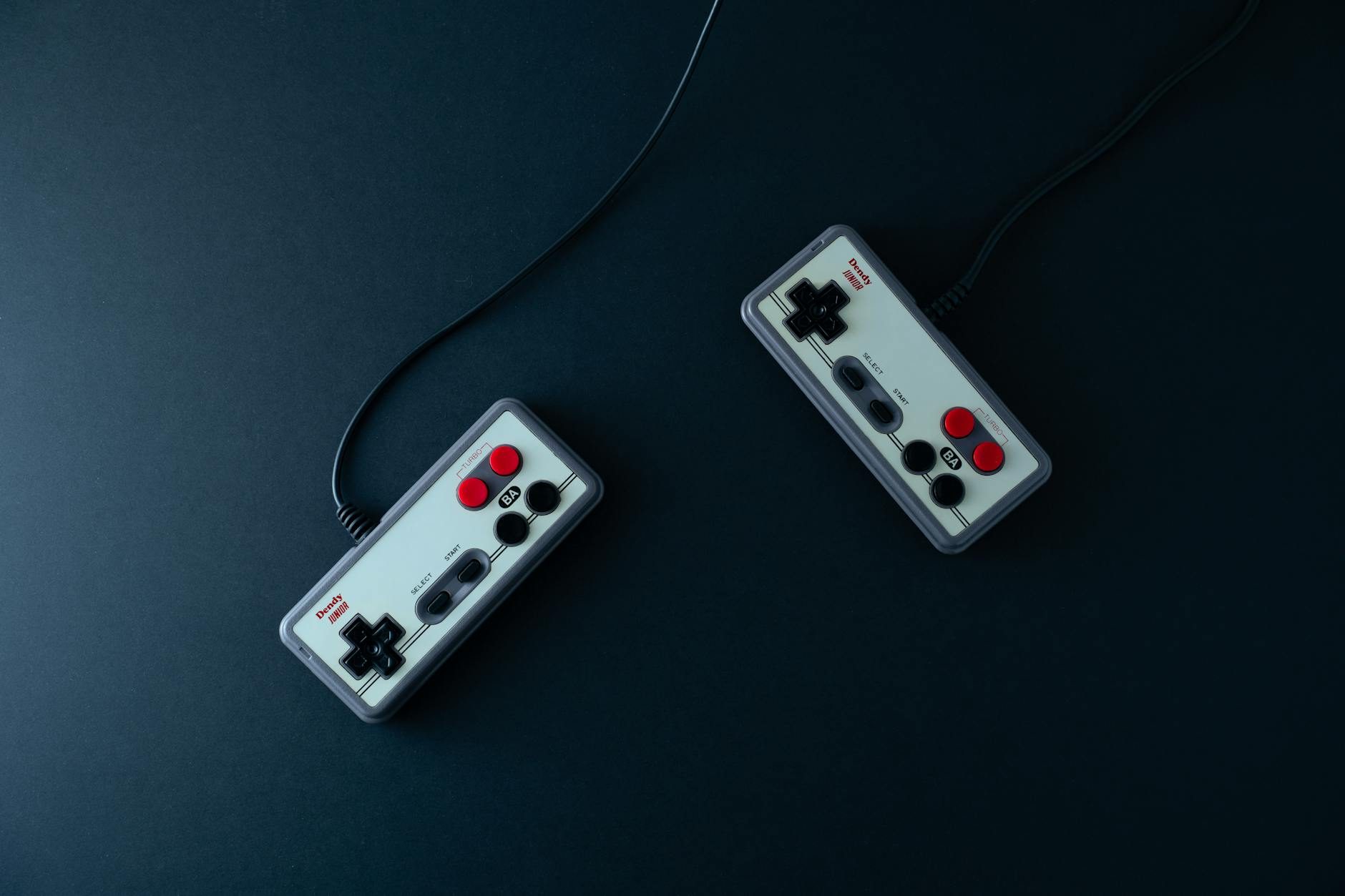
The Silent Retro Gaming Boom Making Millionaires From Plastic Junk
That dusty Nintendo 64 gathering cobwebs in your parents' basement? It just sold for $38,000 on Heritage Auctions. The same console you begged for in 1996, played until the controller joystick went wonky, then forgot about for two decades is now worth more than most people's cars.
But here's what the headlines won't tell you: this isn't just nostalgia run amok—it's a calculated wealth transfer happening right under your nose, and most people are on the wrong side of it.
The $200 Billion Nostalgia Machine Nobody Saw Coming
While traditional investors obsessed over crypto and meme stocks, a quiet revolution was brewing in suburban garages and comic book stores. The global collectibles market hit $200 billion in 2025, with vintage gaming representing the fastest-growing segment.
Here's the kicker: prices aren't just rising—they're accelerating. A sealed copy of Super Mario Bros. sold for $660,000 in 2021. That same game? You probably owned three copies.
The math is staggering. Original Nintendo cartridges have outperformed the S&P 500 by 300% over the past five years. Pokemon cards from the 90s are beating real estate returns. Your childhood toy box was apparently a better investment than your 401k.
Why Your Brain Is Wired to Miss This Fortune
You're programmed to dismiss this boom, and that's exactly why it's so profitable for those who don't. Cognitive bias number one: adults systematically undervalue things associated with childhood. We call them "toys" instead of "collectible interactive entertainment artifacts."
Cognitive bias number two: the endowment effect works in reverse here. You owned these items when they were worthless, so your brain anchors their value to $49.99 retail, not $49,999 auction hammer price.
Meanwhile, institutional money is flooding in. Hedge funds now employ dedicated gaming specialists. Private equity firms are buying entire collections. When Wall Street takes your hobby seriously, it's time to pay attention.
The Golden Trifecta: What Makes Plastic Worth More Than Gold
Not every old game is a goldmine. I've learned that three factors separate garage sale fodder from auction house darlings:
Factor 1: The Condition Paradox
Sealed games command 10x-100x more than opened copies. That shrinkwrap you tore off Christmas morning? Worth more than the game itself. Collectors grade condition on a 10-point scale, and the difference between an 8.5 and 9.5 can be $50,000.
Professional grading services like Wata Games and VGA have created artificial scarcity by imposing strict standards. A microscopic tear in the cellophane can cut your game's value in half.
Factor 2: The Scarcity Sweet Spot
The most valuable games aren't the rarest—they're the ones that hit peak nostalgia for the largest demographic. Super Mario Bros. isn't rare, but sealed copies are because everyone opened theirs to play.
Limited print runs from the 90s are hitting their stride now. Stadium Events for NES: 200 copies exist, selling for $150,000+. Little Samson: $5,000 loose, $40,000 sealed.
Factor 3: The Playability Premium
Counterintuitively, the best games appreciate fastest. Bad games stay cheap regardless of rarity. Your copy of E.T. for Atari will never match your copy of Chrono Trigger.
The Console Hierarchy: Your Retro Portfolio Rankings
If you're sitting on old hardware, here's your priority list for investigation:
Tier 1 - Mortgage Payment Territory:
- Neo Geo AES consoles: $3,000-15,000
- TurboGrafx-16 with rare games: $2,000-8,000
- Atari Jaguar sealed: $5,000-12,000
- 3DO Interactive Multiplayer: $1,500-4,000
Tier 2 - Vacation Money:
- Sega Saturn with good games: $500-2,000
- Original Xbox limited editions: $300-1,500
- GameCube in pristine condition: $200-800
- Dreamcast sealed: $400-1,200
Tier 3 - Nice Dinner Out:
- Nintendo 64 variations: $100-500
- Original PlayStation rare models: $150-600
- Game Boy variants: $50-300
The Great Emulation Divide: Why "Just Download It" Misses the Point
You can emulate any retro game perfectly on your phone. So why are people paying thousands for the "authentic experience"?
The tactile factor explains everything. Emulation replicates the visual and audio, but not the physical ritual. The satisfying click of inserting a cartridge. The weight of the controller. The slight input lag that's actually part of the game design.
I tested modern emulation against original hardware, and the difference was subtle but real. Super Mario Bros. on original NES feels different than on Switch—timing windows change by milliseconds, affecting muscle memory built over decades.
But here's what collectors won't admit: it's not really about gameplay. It's about ownership of cultural artifacts. You're not buying a game; you're buying a piece of computing history that shaped modern entertainment.
The Preservation Paradox Creating Artificial Scarcity
Here's the dark irony fueling prices: the better we get at digital preservation, the more valuable physical media becomes. Every ROM dump makes the original cartridge more special, not less.
Organizations like the Video Game History Foundation are racing to preserve gaming's legacy, but they're fighting time. Magnetic media degrades. Capacitors leak. The original hardware is literally dying.
This creates a feedback loop: as working original hardware becomes scarcer, its value compounds. Your old console isn't just a gaming device anymore—it's a working piece of technological archaeology.
The Underground Markets Where Fortunes Change Hands
Forget eBay if you're serious about this space. The real money moves through specialized channels most people never discover:
Heritage Auctions: Where the $100,000+ sales happen. They handle authentication, grading, and have serious collectors with serious money. But their 25% buyer's premium means you need major value to justify consignment.
Nintendo Age Forums: The insider's marketplace where collectors trade directly. Reputation systems prevent scams, and prices often beat public auction results by 20-30%.
Local Game Stores: Still the best place to find undervalued items. Most shop owners can't track every price fluctuation, creating arbitrage opportunities for informed buyers.
Facebook Marketplace/Craigslist: High risk, high reward. You'll wade through broken junk, but that's where $20,000 collections get listed for $200 by people cleaning out relatives' houses.
The Authentication Arms Race
As values skyrocket, so does fraud. Repro cartridges are getting sophisticated—some fool even experienced collectors. Professional authentication is becoming mandatory for high-value transactions.
Wata Games and VGA grading services charge $20-100 per item, but add thousands in value. The catch? They're also artificially limiting supply by creating new condition standards that didn't exist before.
I suspect market manipulation here—the same people grading games have financial interests in auction houses. It's the kind of conflict of interest that would trigger SEC investigations in traditional securities.
The Psychological Hooks Driving Irrational Prices
Understand the psychology, and you understand why your old Pokémon Red cartridge is worth more than some stocks:
Loss Aversion Amplified: Adults panic-buy childhood memories they "lost." That anxiety creates premium pricing for emotional, not rational reasons.
Social Proof Cascade: Every record-breaking auction headline creates more collectors, driving prices higher. Media coverage fuels FOMO among people who never previously cared about games.
Scarcity Theater: Grading services and auction houses deliberately emphasize rarity. "Only 12 copies graded this high" sounds more compelling than "thousands of copies exist."
Status Signaling: Owning expensive games has become a flex in gaming communities. You're not just collecting; you're demonstrating cultural capital and disposable income.
The Coming Crash Nobody Wants to Discuss
Every bubble has warning signs, and this market is showing several:
Institutional money distorting organic demand. When hedge funds buy gaming collections as alternative investments, they're not buying for love—they're buying for returns. That money can exit as quickly as it entered.
Generational shift approaching. The people driving current prices are in their 30s-50s, peak earning years with disposable income. What happens when they age out and younger generations don't share the same emotional attachment?
Technology making originals obsolete. FPGA-based systems like the Analogue Pocket provide authentic hardware experiences without original cartridges. As this technology improves, the "authentic experience" argument weakens.
Speculation overwhelming collecting. When people buy games they've never played from systems they don't own hoping to flip them, you're in bubble territory.
Your Action Plan: Three Strategies for Any Budget
Whether you're sitting on a potential goldmine or want to start collecting, here's your roadmap:
Strategy 1: The Archaeological Dig
Inventory everything you own. Check PriceCharting.com for current values, but remember: condition is everything. Even common games in exceptional condition command premiums.
Strategy 2: The Arbitrage Hunt
Focus on upcoming anniversaries and re-releases. Games get temporary value spikes around milestone years. Metroid's 35th anniversary in 2021 doubled prices for original copies.
Strategy 3: The Long Game
If you're buying to hold, focus on beloved games from systems that are starting to break down. Original Xbox consoles are dying from capacitor failure, making working systems more valuable.
The Tools Professional Collectors Don't Want You to Know
PriceCharting.com: Real-time market data that tracks actual sales, not asking prices. Their premium service shows price trends over time.
GameValueNow.com: Aggregates data from multiple sources and predicts price movements using machine learning.
VGPC Mobile App: Barcode scanner that gives instant value lookups while you're hunting at garage sales or thrift stores.
WorthPoint: Tracks auction results across multiple platforms, essential for researching rare items.
The Future of Gaming's Past
Here's what most people get wrong about this boom: it's not really about gaming. It's about the first generation to grow up with video games reaching peak earning power and wanting to reclaim their childhood.
But childhood memories aren't renewable resources. Once this demographic ages out, what happens to the market?
Smart collectors are already positioning for the next wave. Mobile gaming nostalgia is coming. The iPhone launched in 2007—sixteen years ago. Original iPhones with first-generation App Store games are starting to command collector interest. Honestly, this surprised me when I first started seeing prices creep up.
Virtual console games with limited digital runs may become the next frontier. When Nintendo shuts down the 3DS eShop, those exclusive digital titles become artifacts of a specific technological moment.
The pattern is always the same: what seems worthless today becomes priceless tomorrow. The question isn't whether retro gaming will continue growing—it's whether you'll recognize the next wave before it crests.
Your plastic junk from the 80s and 90s became someone else's treasure worth millions. The real question is: what are you throwing away today that your future self will wish you'd kept?