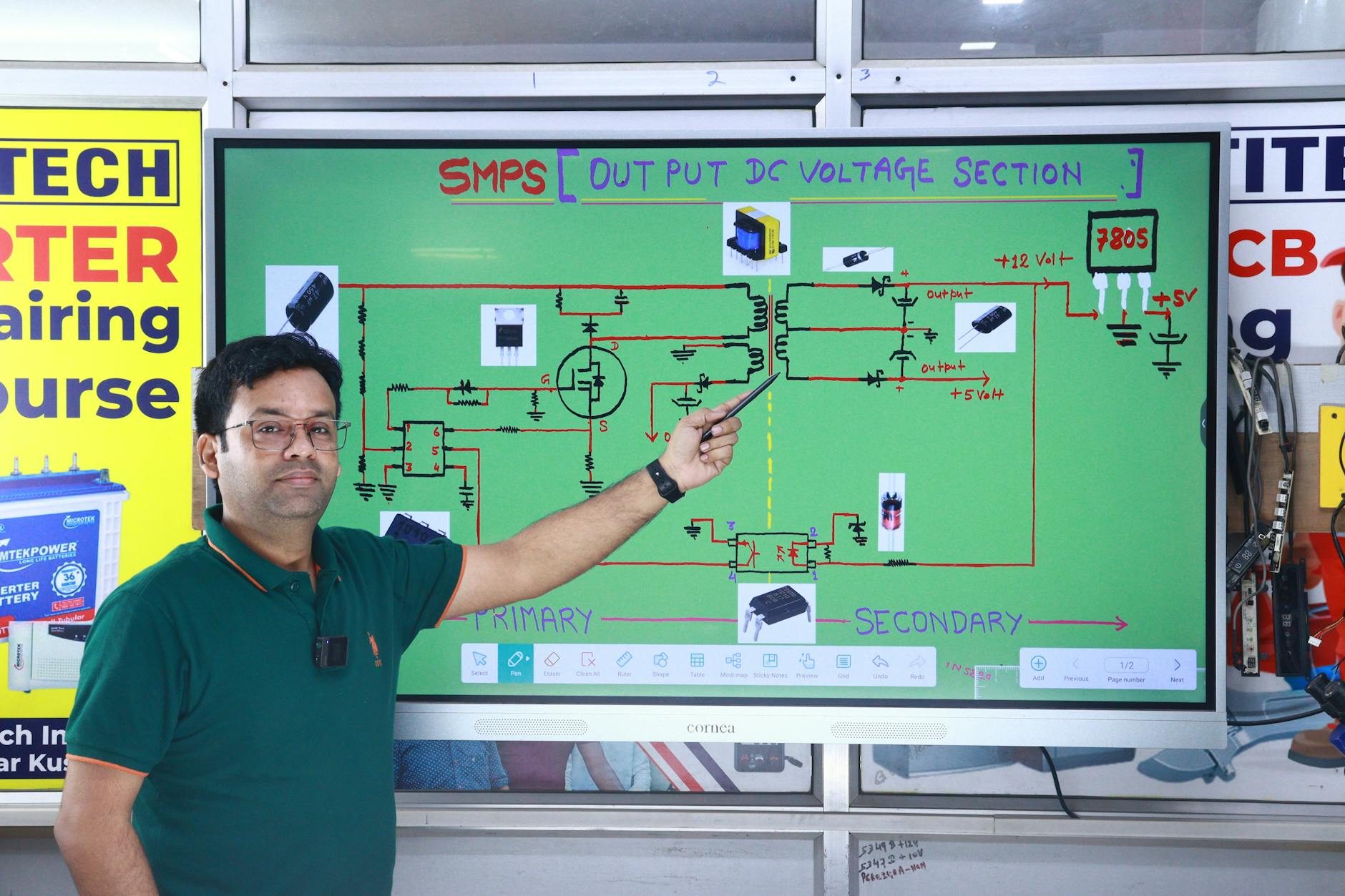
I launched my first online course in 2021. It was about advanced Python decorators. I spent four months creating 6 hours of content, made beautiful slides, recorded everything in 4K.
It sold 3 copies in the first month.
Fast forward to 2024, and I have sold over $180,000 worth of technical courses. But I had to learn some hard lessons about what people actually want versus what I thought they needed.
The Courses That Actually Sell
Here is something nobody talks about: technical people do not buy courses about theory. They buy courses that solve immediate work problems.
My best-selling course is called "API Testing for Beginners" - it has made $52,000 since I launched it in March 2023. Not because API testing is sexy, but because QA engineers get hired to do it and panic when they realize they have no idea where to start.
The courses that consistently perform well fall into three categories:
- Job skill gaps - Skills people need at work but never learned properly
- Certification prep - AWS, Google Cloud, Kubernetes certifications
- Tool-specific training - Docker for developers, Terraform basics, GitHub Actions
My complete flops? "Advanced Algorithm Design" and "Functional Programming Concepts." Developers think they want to learn this stuff, but they do not actually buy it.
Finding Topics People Will Pay For
I wasted months creating courses nobody wanted because I was solving problems that existed only in my head. Now I validate every idea first.
I start with job postings. I search Indeed and LinkedIn for entry-level developer and DevOps positions, then note which skills appear in 50+ job descriptions but are not taught in computer science programs.
"Must have experience with CI/CD pipelines" shows up in 73% of DevOps job postings, but most bootcamps spend maybe 2 hours on it.
Reddit is goldmine for course ideas. I browse r/cscareerquestions, r/sysadmin, and language-specific subreddits looking for the same questions that get asked weekly. Those repeated questions are course opportunities.
Stack Overflow Trends is another tool I use. If a technology is growing in questions but there are not many good learning resources yet, that is a sweet spot.
The Questions That Led to My Best Courses
"How do I test APIs when I have never done it before?" became my $52k API testing course. "What is Kubernetes and why does everyone want me to know it?" became a $28k beginner Kubernetes course.
"How do I deploy my app to AWS without breaking everything?" is becoming my next course. I see this question constantly, and most AWS tutorials assume you already know what you are doing.
Platform Wars: Where to Actually Sell
I have tried them all. Udemy, Teachable, Gumroad, even selling directly through my own site. Each has trade-offs that nobody talks about honestly.
Udemy gives you massive reach but takes 50% revenue when they drive the sale (37% if the student came from your link). The real problem is you are competing with $10 courses during their constant sales. I made $89,000 on Udemy in 2024, but only because I had multiple courses and played their promotion game.
Gumroad takes 10% plus payment processing but you control pricing. My average sale price on Gumroad is $127 versus $31 on Udemy. The downside? You need to drive all your own traffic.
Teachable charges $39/month but only takes transaction fees (2.9% + 30¢). Good middle ground if you can consistently sell enough to cover the monthly cost.
I currently use both Udemy and Gumroad. Udemy for discovery and volume, Gumroad for higher-priced comprehensive courses. This dual approach increased my total revenue by 40% compared to using just one platform.
Content Creation Reality Check
Creating good technical course content takes longer than you think. My 4-hour API testing course took me 6 weeks to create, working about 15 hours per week.
Here is my process that actually works:
Start with the project, not the theory. I design a real-world project first, then figure out what concepts I need to teach to complete it. My API testing course builds a complete test suite for a fake e-commerce API. Students learn by doing, not by watching me explain concepts.
Record in small chunks. I record 5-10 minute segments, not hour-long lectures. Easier to edit, easier to re-record when I mess up, and students can consume it better.
Show your terminal. I spent way too long figuring this out - developers want to see exactly what you are typing. I use a large font (18pt) and always show my full terminal window. No fancy animations or transitions.
Tools That Matter
I use OBS Studio for recording (free), Descript for editing ($20/month), and Carbon for code screenshots. Simple setup that produces professional results.
Audio matters more than video quality. I bought a $120 Audio-Technica ATR2100x-USB microphone and it made a huge difference. Nobody complains about slightly blurry video, but they will stop watching if your audio is bad.
Pricing Psychology for Technical Courses
Technical people buy differently than other online learners. They want to see exactly what they will learn and they hate marketing speak.
I A/B tested prices extensively. Here is what works:
$47-67 for beginner courses (2-4 hours of content). This feels reasonable for learning a new skill without being so cheap it looks low-quality.
$127-147 for comprehensive courses (6+ hours with projects and resources). At this price point, buyers expect downloadable resources, project files, and some kind of completion certificate.
I list everything students will build, not just what they will learn. "You will build a complete CI/CD pipeline that deploys to AWS" sells better than "You will learn DevOps concepts."
Marketing Without Feeling Gross
I hate aggressive marketing, and so do most technical people. But nobody will buy your course if they do not know it exists.
Content marketing works best. I write blog posts solving parts of the problems my courses address fully. My article "5 API Testing Mistakes That Will Get You Fired" drives 20-30 course sales per month because it provides value while showing my expertise.
YouTube is underrated for technical courses. I create 10-15 minute videos showing simplified versions of what I teach in my paid courses. My YouTube channel has 12,000 subscribers and drives about 30% of my course sales.
LinkedIn actually works. I share technical tips and project updates 3-4 times per week. Not selling directly, just being helpful. Decision makers at companies follow me there, and some buy courses for their teams.
Email List Strategy
I give away a free mini-course (1 hour of content) in exchange for email addresses. Then I send one technical tip per week, no sales pitch. When I launch a new course, I send exactly one email about it to my list.
This approach gets me 4,200 subscribers with a 43% open rate. Way better than trying to sell in every email.
Numbers Nobody Shares
Let me be completely transparent about what this business actually looks like.
In 2024, I made $147,000 from technical courses across all platforms. Sounds great, but here are the real numbers:
- Platform fees: $31,000 (Udemy takes a lot)
- Tools and software: $2,400 (editing software, hosting, email service)
- Time investment: About 25 hours per week average
- Taxes: Remember this is 1099 income if you are in the US
Most of my revenue comes from 3 courses. I have 12 courses total, but 9 of them make less than $500 per month each. The hits subsidize the misses.
Avoiding the Obvious Mistakes
I made every mistake possible so you do not have to.
Do not create courses about oversaturated topics. There are 847 Python beginner courses on Udemy. Unless you have a unique angle, skip it.
Do not assume people want advanced content. "Beginner" and "Getting Started" courses consistently outsell advanced ones. Most people overestimate their skill level when searching, but they actually need foundational knowledge.
Do not ignore course updates. Technology changes fast. My Docker course from 2022 needed major updates in 2024 because the installation process changed. Plan to spend 2-3 hours per month updating existing courses.
Do not expect passive income. This is not a "create once, earn forever" business. You need to keep marketing, updating, and creating new content to maintain revenue.
What is Working in 2026
The market is shifting toward more practical, project-based learning. Students want to build real things, not just understand concepts.
AI and machine learning courses are saturated now, but AI tooling for developers is wide open. Courses about using GitHub Copilot effectively, building with ChatGPT API, or integrating AI into existing applications are performing well.
Cloud certifications remain strong sellers. AWS, Azure, and Google Cloud all updated their certification paths in 2025, creating demand for current prep materials.
Cybersecurity fundamentals for developers is another growing area. With more security breaches, companies want their developers to understand basic security principles.
The key is finding the intersection between what is technically interesting and what solves real workplace problems. That sweet spot is where profitable courses live.
After three years of doing this, I can say it is definitely possible to build a solid income creating technical courses. But it takes more work than the course-selling courses want you to believe, and success comes from solving real problems rather than teaching what you think people should know.