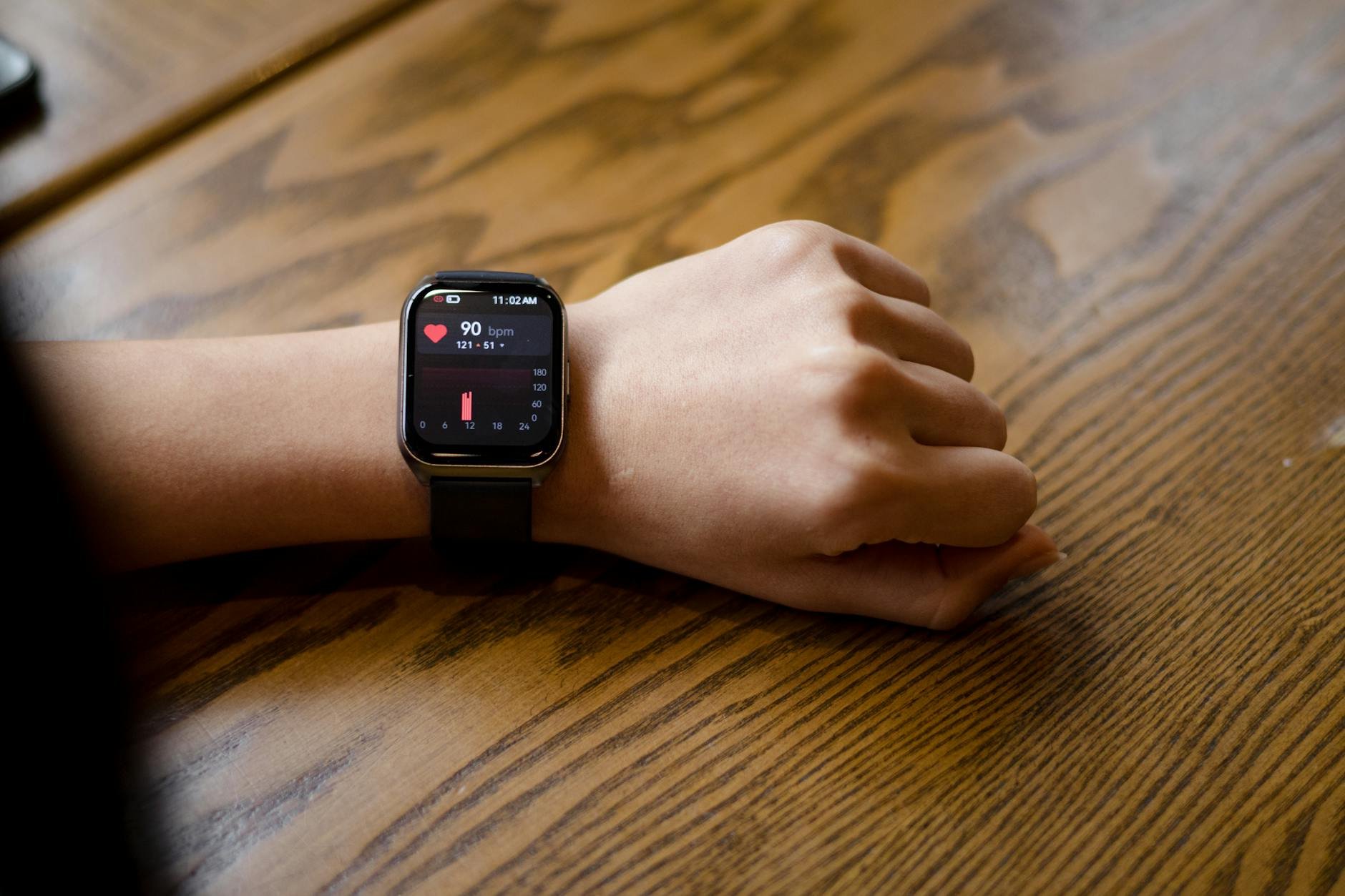
The wearable technology market has converged on two dominant product categories: full smartwatches (Apple Watch, Samsung Galaxy Watch, Google Pixel Watch) that handle notifications, apps, calls, and health monitoring, and dedicated fitness trackers (Fitbit, Xiaomi Smart Band, Garmin fitness bands) that focus specifically on health and activity data with minimal smartphone-like functionality. The question is not which category is better in the abstract — it is which one delivers genuine value for how you actually live.
What Each Device Does Well
• Full notification display (WhatsApp, emails, calls)
• App ecosystem (maps, music control, payments)
• Call answering directly from wrist
• More sophisticated health sensors
• Better display quality
Fitness tracker strengths:
• 7–21 day battery life vs 1–3 days for smartwatches
• Lighter and more comfortable for 24/7 wear
• Focused, accurate health data without distraction
• Significantly lower price for equivalent health features
• Less vulnerable to damage (no large glass display)
The Battery Life Reality
Battery life is the most practical differentiator between smartwatches and fitness trackers, and it is the factor most buyers underestimate at purchase. An Apple Watch Series 9 lasts approximately 18–24 hours. A Samsung Galaxy Watch 6 lasts 30–40 hours. These figures mean daily or every-other-day charging — a habit that many users find more annoying than anticipated.
By contrast, a Xiaomi Smart Band 8 lasts 16 days. A Fitbit Charge 6 lasts up to 7 days. A Garmin Vivosmart 5 lasts up to 7 days. This battery difference changes how you interact with the device entirely. You wear a fitness tracker continuously — through sleep, exercise, and daily activity — without the interruption of charging management. Sleep tracking, which requires wearing the device at night, is particularly compromised on smartwatches that need nightly charging.
Who Should Buy a Smartwatch
A smartwatch makes sense if you want to reduce the number of times you pull out your phone throughout the day. Receiving WhatsApp messages, seeing who is calling, and controlling your music from your wrist without reaching for your phone is genuinely useful if you are in situations where phone use is inconvenient — meetings, gym sessions, outdoor activities. For iPhone users specifically, the Apple Watch integration is deep enough that the combination functions differently and better than either device alone.
The honest case against smartwatches for most people: they add a layer of notification delivery that most people did not need — extending the reach of their phone's interruptions to their wrist. If phone notifications already distract you too much, a smartwatch makes this worse, not better.
Who Should Buy a Fitness Tracker
If your primary interest is health monitoring — step counts, sleep quality, heart rate patterns, menstrual tracking, stress indicators — a fitness tracker delivers these metrics with more consistency (because you actually wear it continuously) at a fraction of the cost of a smartwatch. For people beginning a fitness journey, the accountability data from a consistently-worn tracker is more valuable than the features of a premium smartwatch worn only during the day.
Xiaomi Smart Band 8: GHS 200–280 (fitness tracker)
Fitbit Inspire 3: GHS 500–650 (fitness tracker)
Garmin Vivosmart 5: GHS 700–900 (advanced fitness tracker)
Samsung Galaxy Watch 6 (40mm): GHS 2,800–3,200 (smartwatch)
Apple Watch SE (2nd gen): GHS 3,500–4,200 (smartwatch)
The Health Data That Actually Matters
Both categories track steps, distance, heart rate, and sleep. The differentiation in health features at higher price points is in: blood oxygen (SpO2) monitoring, skin temperature sensing, ECG/heart rhythm analysis, and advanced sleep stage tracking. For most users without specific medical monitoring requirements, basic heart rate and sleep tracking from a GHS 250 fitness tracker is as actionable as the advanced sensors in a GHS 4,000 smartwatch — because the behavioural insights are the same: move more, sleep consistently, watch your resting heart rate trend.
The Verdict
Buy a fitness tracker if: you want health data, prefer long battery life, exercise regularly, and do not need your watch to handle phone functions. The Xiaomi Smart Band 8 at GHS 250 is the strongest value available.
Buy a smartwatch if: you want to reduce phone usage, need quick access to notifications and calls in situations where phone use is awkward, and are prepared for daily charging. The Samsung Galaxy Watch 6 offers the best feature-to-price ratio for Android users available in Ghana.