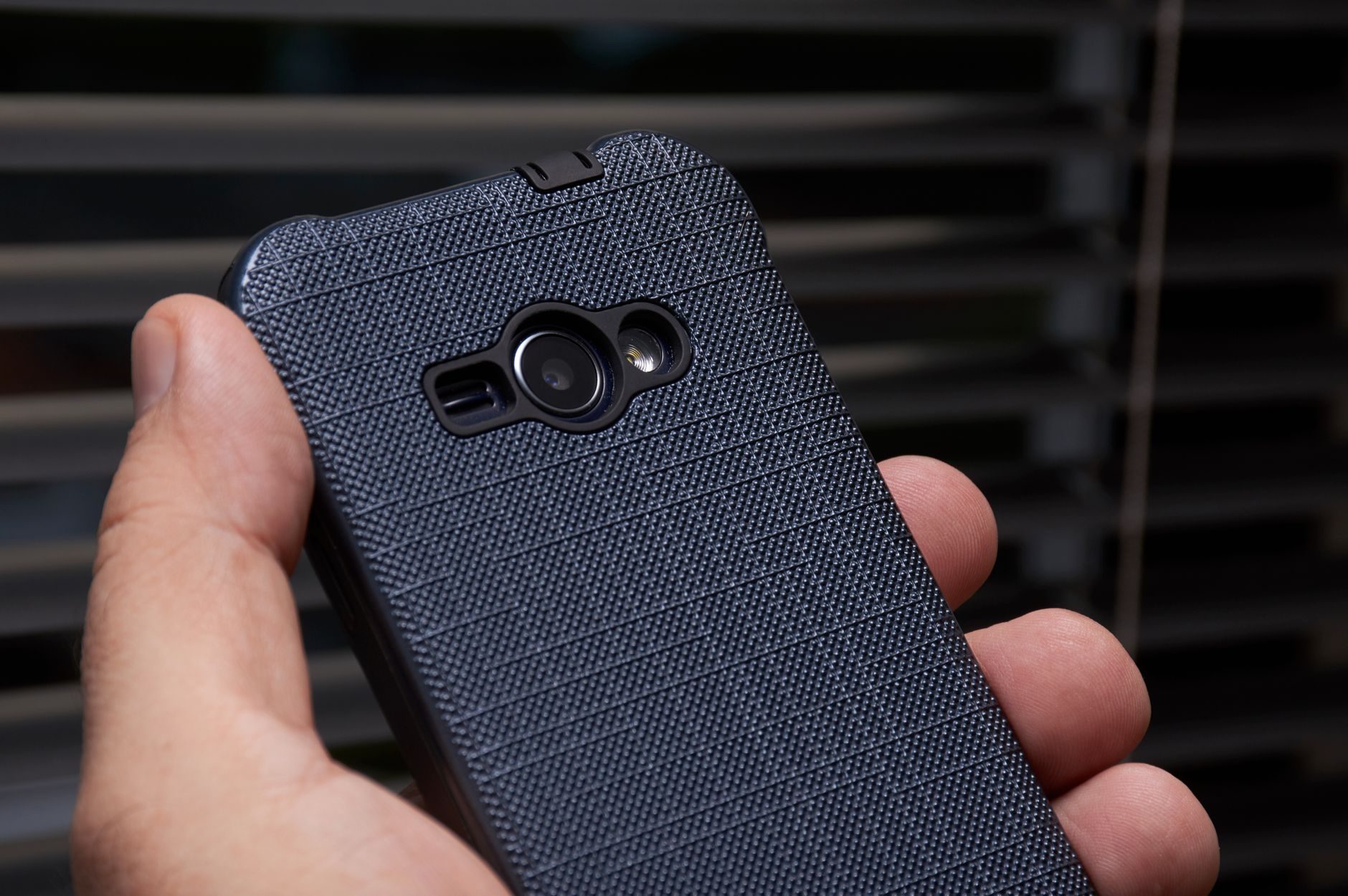
Last year I bought a phone case that had a little leaf logo on the packaging and the word 'biodegradable' in green font. It felt good. I recycled the box. I moved on.
Then I started actually looking into what 'biodegradable' means for phone cases. Spoiler: it often means almost nothing. That case would only break down in industrial composting conditions — which most of us don't have access to. In a landfill, it'll sit there just as long as a regular plastic case.
I spent way too long going down this rabbit hole. But I came out the other side with a much clearer picture of which products are actually doing the work, and which ones are just slapping a green label on the same old stuff.
The Greenwashing Problem Is Worse Than You Think
The phone accessories market is absolutely full of this. A case made from "plant-based materials" might be only 20% bioplastic mixed with conventional plastic — which doesn't meaningfully reduce environmental impact. The European Commission found in 2021 that 53% of green claims in the EU were vague, misleading, or unfounded. Phone accessories are one of the worst offenders.
So what should you actually look for? Honestly, a few specific things separate real sustainability from performance sustainability.
- Third-party certifications — not just the brand's own claims
- Transparency about materials — exact percentages, not just buzzwords
- Durability — a case that lasts 4 years beats three "eco" cases that crack in 18 months
- Take-back or recycling programs — what happens when you're done with it?
Phone Cases That Are Actually Worth Buying
Pela Case — The Real Deal, With Some Caveats
Pela is probably the most well-known name in this space, and for good reason. Their cases are made from Flaxstic — a proprietary blend of flax shive (a plant byproduct) and a biopolymer. It's not perfect, but it's one of the most genuinely different materials I've seen in a phone case.
I've been using a Pela case on my iPhone 15 since early 2024. It's held up well. No cracking, decent grip, and it doesn't feel like cheap plastic. The cases run around $40–$55 USD depending on the model.
"Pela's material will break down in home compost in 4-6 years according to their testing — but you do need to actually compost it, not just throw it in the bin."
The caveat: their compostability claims require actual composting conditions. If you bin it, it degrades slowly. Still better than ABS plastic, but it's not magic. Their take-back program, where you mail back old cases for composting, is a genuinely good option if you're in North America or Europe.
Casetify ReCase — For People Who Want Style Too
Casetify's ReCase line uses at least 65% recycled materials — mostly post-consumer plastic and reclaimed ocean plastic through their partnership with Ocean Co. They've been audited by a third party, which matters to me more than almost anything else.
These run $55–$75 USD and they're genuinely good-looking cases. If you want something sustainable that doesn't scream "I compost," this is probably your best option. I tested one on a Samsung Galaxy S24 Ultra and the MagSafe-compatible version worked without issues.
Moment Thin Case — The Underrated Pick
Moment isn't primarily a sustainability brand, but their Thin Case uses recycled polycarbonate and they publish a pretty detailed breakdown of their manufacturing process. They also focus heavily on durability — the idea being that a case you never have to replace is inherently less wasteful.
At around $30, it's the most affordable solid option I've found. It's minimal, it's tough, and the company has actual sustainability reports you can read. That transparency alone puts them ahead of a lot of competitors.
What About Charging Accessories?
This is where I think people leave a lot of environmental impact on the table. A charger that runs inefficiently wastes electricity every single day. That adds up fast.
Anker's GaN Chargers — Efficiency Matters More Than You Think
Anker's GaN (Gallium Nitride) chargers are significantly more energy-efficient than traditional silicon-based chargers. GaN chargers generate less heat, which means less energy wasted. The Anker 735 Nano II 65W runs about $36 USD and is one of the most efficient compact chargers available in 2025–2026.
Look — buying a durable, efficient charger isn't as sexy as buying a biodegradable case. But if you use that charger every day for five years instead of replacing a cheap charger every two years, the net environmental impact is genuinely better. Less manufacturing, less waste, lower electricity draw.
Native Union — Cables Built to Last
Cables are the most thrown-away accessory in existence. I've gone through embarrassingly many Lightning cables in my life.
Native Union's Belt Cable uses a woven textile exterior and reinforced stress points specifically to address the most common failure modes of cables. They also use recycled materials in their packaging and are B Corp certified — which is one of the most rigorous third-party certifications in this space. A USB-C to USB-C version runs about $30.
Is it cheap? No. Did I buy it in 2022 and still use it without any wear? Yes.
Screen Protectors: Nobody Talks About This Enough
Screen protectors are single-use by design. You apply them, they scratch up, you replace them. Most are made from PET plastic or tempered glass with plastic adhesive layers — and they're basically impossible to recycle in a standard recycling stream.
Pela's Screen Protector
Pela also makes screen protectors from their Flaxstic material, and while the protection level isn't quite as high as tempered glass, it's a genuinely different approach to a product category that's almost entirely plastic waste. Around $15–$20 USD. I'd recommend it if drop protection isn't your top priority.
The Honest Answer: Tempered Glass Isn't All Bad
Here's the thing. A high-quality tempered glass screen protector from a brand like Spigen or amFilm will last significantly longer than most bio-material alternatives. Longer lifespan means fewer replacements. I think the obsession with material type sometimes misses the point — durability is sustainability too.
If you're choosing between a plant-based screen protector that you'll replace in 6 months and a $10 tempered glass one that lasts 2 years, the math often favors glass.
How to Actually Spot Greenwashing When You're Shopping
I've gotten pretty good at this. Here's my quick checklist before I buy anything marketed as sustainable.
- Look for specific percentages — "made with recycled materials" is useless without a number. "Made with 68% post-consumer recycled plastic" is meaningful.
- Check for third-party certification — B Corp, Bluesign, or specific compostability certifications (like ASTM D6400 for industrial compost or EN 13432 in Europe) mean a lot more than a brand's own claims.
- Read the fine print on biodegradability — if it only breaks down in an industrial composting facility, ask yourself if you have access to one. Most people don't.
- Google "[brand name] sustainability report" — real companies publish these and they include actual data. If there's nothing there, that tells you something.
- Factor in lifespan — a cheap eco case you replace annually is worse than a durable conventional case you keep for three years.
The thing that changed my perspective most was realizing that "sustainable" in consumer products is almost never binary. It's a spectrum. The goal is to move meaningfully in the right direction, not to find some perfect zero-impact product (it doesn't exist).
What I Actually Use Right Now
Since I said I'd be real about this: I'm currently using a Pela Case on my iPhone 15, a Native Union Belt Cable for daily charging, and an Anker Nano II 65W charger at my desk. I skipped the bio screen protector and went with tempered glass because I drop my phone a lot and I needed the protection.
That combination isn't perfect from an environmental standpoint. But it's a lot better than what I was doing three years ago, and I can actually verify the claims the companies are making. That's the bar I'm working with.
If you're shopping in markets where these brands are harder to find — parts of Southeast Asia, Latin America, or Africa — the same principles apply to whatever's locally available. Prioritize durability, look for transparency, and don't pay a premium for a leaf logo without evidence behind it.
The green accessories market is only going to get bigger heading into 2026, which means more good options and more noise. Knowing what questions to ask is honestly more valuable than any specific product recommendation I can give you.