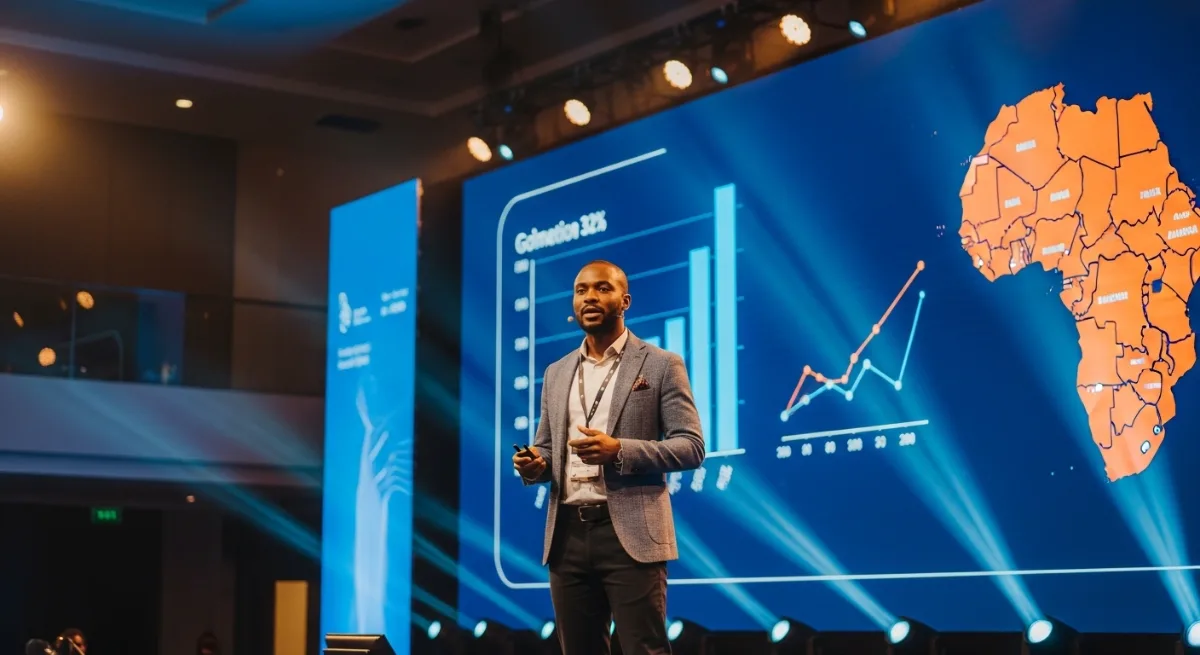
African telecommunications leaders concluded a landmark five-day summit in Accra this week, emerging with a coordinated blueprint to amplify the continent's voice at the 2028 World Telecommunication Standardisation Assembly. What struck me most about this gathering was the palpable shift from passive participation to active rule-making in global tech governance.
The preparatory meeting, held at The Palms Airport City Hotel, brought together ministers, regulators, and technical experts from across Africa under the banner "Strengthening Africa's Common Position for WTSA-28." Ghana's National Communications Authority hosted the event alongside the International Telecommunication Union and the African Telecommunications Union.
From Rule-Takers to Rule-Makers
Communications Minister Samuel Nartey George delivered the opening address with unmistakable ambition. "We want to develop a united African proposal that reflects our continent's needs while aligning with global standards," he declared, echoing what has become Africa's digital diplomacy mantra.
"The continent must become rule-makers, not rule-takers."
This is not mere rhetoric. Africa enters these discussions with proven leverage from recent victories.
Technical Priorities Take Shape
ATU Secretary-General John Omo reminded delegates that success metrics extend beyond institutional wins. "The decisions we make here in Accra will ripple across our digital landscape for years to come," he emphasized, noting that over 800 million Africans remain offline despite connectivity advances.
The summit produced concrete technical priorities for the WTSA-28 cycle. Delegates advanced proposals for a standardised emergency telephone number across Africa, compatible with international codes 112 and 911. This initiative emerged from joint ITU-ATU workshops running parallel to main sessions.
AI Governance and Platform Regulation
What particularly notable was the focus on artificial intelligence governance alongside traditional telecom concerns. The agenda tackled AI oversight frameworks, submarine cable infrastructure resilience, and Over-the-Top service regulation covering messaging and streaming platforms.
Delegates consistently emphasized technology-neutral standards flexible enough for new market entrants rather than entrenching dominant players. This approach signals Africa's determination to shape rather than simply adapt to global digital infrastructure.
Building on Momentum
The Accra meeting builds on Africa's growing influence in global telecommunications governance. Those 34 successful proposals at WTSA-24 were not accidents but results of coordinated continental strategy.
African delegates also prioritized cybersecurity frameworks and affordable broadband access through infrastructure sharing. These priorities reflect immediate continental needs while positioning Africa as a serious player in global standard-setting.
The summit is emphasis on emergency communications infrastructure particularly resonates. Standardized emergency numbers could transform crisis response across African borders, moving beyond national silos toward integrated continental systems.
As WTSA-28 approaches, Africa leaves Accra with clear priorities and proven ability to translate coordination into results. The continent's digital future increasingly depends on its capacity to shape rather than merely receive global technology standards.