Amazon Targets Kenya for Satellite Internet Infrastructure
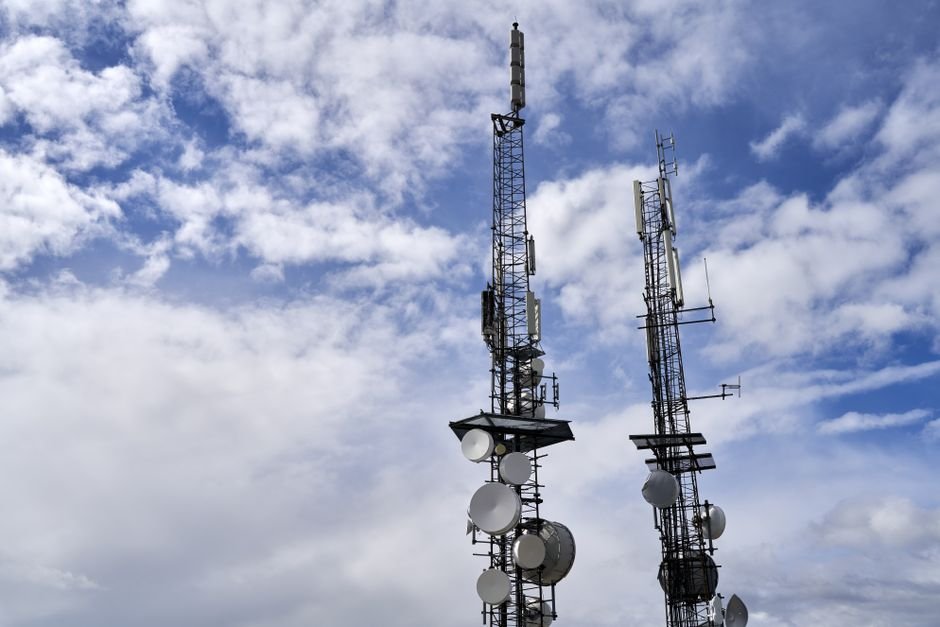
Amazon has submitted an application to Kenyan regulators seeking approval to construct a satellite ground station in the East African nation through its Amazon Leo satellite broadband project, formerly known as Project Kuiper. The proposed facility would function as the critical link between Amazon's orbital satellites and internet users across East Africa.
The move represents a significant escalation in the satellite internet sector, where competition is intensifying rapidly. Amazon's application comes at a time when established players have already demonstrated strong market demand for satellite connectivity services in the region.
Strategic Positioning Against Market Leader
The ground station application follows Amazon's broader telecommunications strategy in Kenya. In April, the multinational technology company applied for a Network Facilities Provider (NFP) Tier 2 licence, which would grant permission to build and operate telecommunications infrastructure nationwide.
These combined regulatory moves signal Amazon's intention to directly challenge Starlink's established position in the Kenyan market. Starlink, the Elon Musk-owned satellite internet company, has spent over two years demonstrating that African consumers are willing to pay for satellite internet services.
Competitive Landscape Challenges
Amazon faces significant competitive hurdles in its pursuit of market share. Starlink has already established customer loyalty through flexible hardware rental programs and installment payment options that reduced entry barriers for both households and businesses across Kenya.
The incumbent provider's success in attracting over 22,000 subscribers demonstrates the viability of satellite internet in African markets. This subscriber base represents substantial momentum that Amazon will need to overcome through competitive pricing and service offerings.
Strategic Partnership Advantage
Amazon may possess a significant competitive advantage through strategic telecommunications partnerships. In March, Vodafone signed an agreement to utilize Amazon Leo's satellite network for connecting remote 4G and 5G mobile towers across Europe and Africa.
The multinational telecoms company plans a phased expansion across Africa through its African subsidiary, Vodacom Group. Vodacom serves as the parent company of Vodafone Kenya, which holds a 55% stake in Safaricom, Kenya's largest telecom operator.
This partnership structure could provide Amazon with established distribution channels and local market expertise that new entrants typically lack. The relationship with Vodafone and its African subsidiaries represents a pathway to rapid market penetration across multiple African markets.
Regional Implications
The proposed ground station would serve East Africa more broadly, positioning Kenya as a regional hub for Amazon's satellite internet operations. This infrastructure investment reflects growing confidence in Africa's digital transformation and the expanding demand for reliable internet connectivity.
Success in Kenya could establish a foundation for Amazon's broader African expansion plans. The regulatory approval process will likely influence similar applications across other African markets where satellite internet demand continues to grow.
The competition between Amazon and Starlink in Kenya represents a broader global battle for satellite internet market share. Both companies are investing heavily in infrastructure and partnerships to capture the expanding market for satellite-based connectivity solutions, particularly in regions where traditional internet infrastructure remains limited.