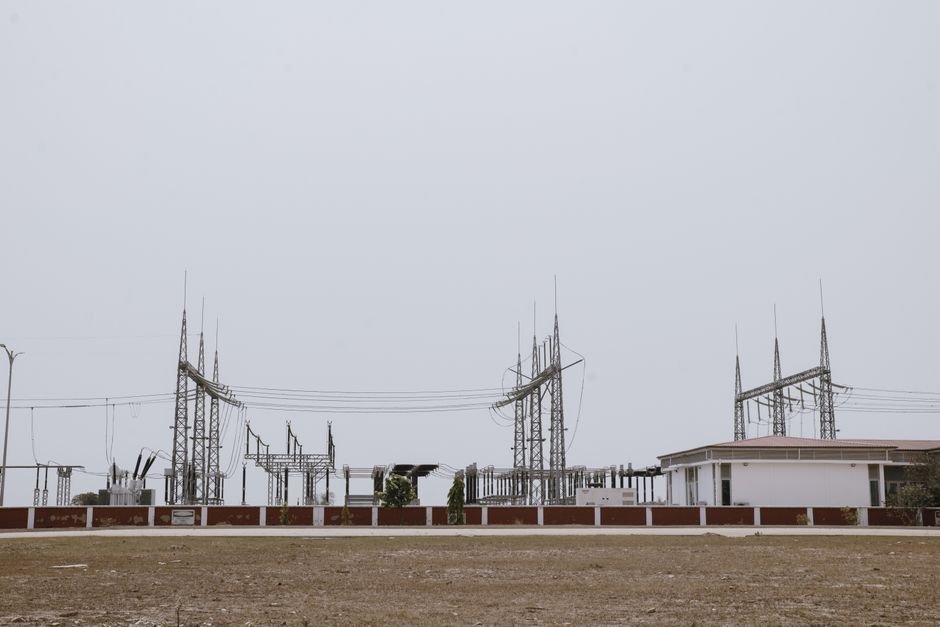
The Africa Sustainable Energy Centre (ASEC) has demanded comprehensive reforms of Ghana's electricity transmission infrastructure after an investigation confirmed that the recent Akosombo Substation fire resulted from preventable insulation failure.
The energy policy think tank issued a statement on Thursday, June 11, following the release of an investigation report that attributed the incident to aging infrastructure rather than sabotage. ASEC described the fire as a preventable engineering and structural failure that exposed critical weaknesses in the national power system.
Urgent Infrastructure Modernization Required
ASEC commended the investigation committee for its thorough work and welcomed the Ministry of Energy and Green Transition's commitment to implementing the report's recommendations. The organization emphasized that the findings should serve as a national wake-up call for immediate action.
The think tank called for mandatory Infrared (IR) thermographic inspections to become standard practice across all major substations, transformers, switchgear and cable systems. According to ASEC, thermal imaging technology can detect hotspots, loose connections, overloaded circuits and deteriorating insulation before they develop into major failures.
"A modern substation should be capable of detecting and suppressing a fire within seconds of ignition, thereby minimising equipment damage and service disruptions," ASEC stated.
Fire Protection System Overhaul Needed
ASEC recommended installing modern fire detection and automatic suppression systems at all critical transmission facilities. These systems should include early smoke and heat detection technologies, automatic sprinkler systems, intelligent fire zoning and remote monitoring capabilities.
The organization stressed that adopting routine predictive maintenance programmes would significantly reduce equipment fires and unexpected power outages across Ghana's electricity network.
Protection System Coordination Flaws Exposed
ASEC expressed particular concern over the investigation's finding that protection system coordination failed during the incident. After one transformer tripped at approximately 311 amps, a second transformer continued supplying power to the fault because its protection settings were configured to trip at a higher threshold.
This failure pointed to weaknesses in protection coordination and Short Circuit Coordination Studies (SCCS) across the national transmission network. ASEC recommended a comprehensive review of protection philosophies, relay settings and fault coordination studies.
"No transmission system should allow a fault to continue feeding unchecked due to inadequate protection coordination," ASEC stated.
Strengthening System Redundancy
The energy center called for stronger redundancy measures across Ghana's critical electricity infrastructure. ASEC warned that the current system vulnerabilities could lead to more severe incidents without immediate intervention.
The organization's recommendations align with broader efforts to modernize power infrastructure across the region, as covered in our energy sector analysis. Implementation of these reforms could position Ghana as a leader in sustainable electricity transmission practices within West Africa.