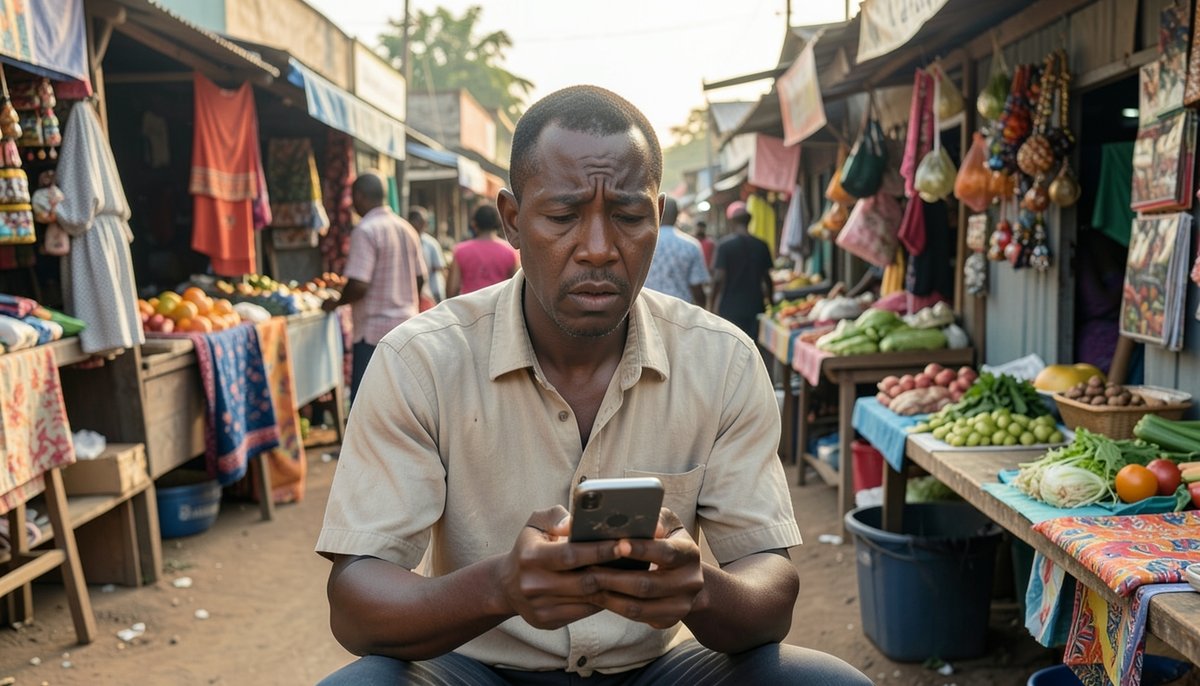
The Bank of Ghana has put names to the problem. In a notice issued on November 2, 2026, the central bank identified 20 mobile loan applications operating without regulatory licences, naming each one publicly and warning Ghanaians to stay away from their services.
The apps flagged are: Active Loan, Boafo Cash, Cediln, Fair Moni, Fast Loan, Halo Loan, Jmoney, Kredi, KudiNow, LendJet, MeCedi, NhyiraCash, Palcash, Quick Eazzy, SikaFlow, SikaNea, Swift Lending, TrustCredit GH, Velzo, and Zedvance.
The BoG said all 20 are operating in breach of its Directive for Digital Credit Service Providers in Ghana, a framework introduced in September 2025 to bring the fast-growing digital lending sector under formal oversight.
Data Privacy and Consumer Protection at Risk
The regulator did not mince words about why this matters. It said the activities of these unlicensed providers raised serious concerns about customer data privacy, consumer protection, and compliance with established regulatory standards — three areas where borrowers have little recourse when something goes wrong with an unregulated lender.
Digital loan apps have exploded in popularity across Ghana over the past few years, offering fast credit with minimal paperwork. But that convenience comes with real risks when the provider is not playing by any official rules — especially around how personal data is collected, stored, and used. For more on how these risks show up in practice, see our coverage of online safety threats facing mobile users.
Banks and Payment Providers Also Put on Notice
The BoG went further than just warning consumers. It explicitly cautioned banks, Specialised Deposit-Taking Institutions (SDIs), and Payment Service Providers (PSPs) against facilitating or processing transactions on behalf of any of the 20 named apps.
That is a significant escalation. By placing the responsibility on regulated institutions — not just end users — the central bank is effectively trying to cut off the financial oxygen these apps need to keep operating.
The BoG also confirmed it is working alongside the Cyber Security Authority to sanitise the digital credit market and protect consumers from providers operating outside the regulatory framework. It said enforcement action would follow as investigations progress.
A Sector Under Growing Scrutiny
Ghana's digital lending space has grown rapidly since mobile-first loan platforms began proliferating around 2020. The September 2025 Directive was designed specifically to regulate this segment — setting licensing requirements, conduct standards, and data protection obligations for any company offering loans through a mobile app.
The November 2 notice is the BoG's sharpest enforcement signal yet under that framework. It suggests the regulator is shifting from guidance to action, especially as the number of unregistered players appears to be growing rather than shrinking.
Ghanaians who have already used any of the named apps — or who have information about their operations — have been asked to report directly to the central bank. The BoG said it would continue working with relevant state institutions to identify and investigate additional unlicensed providers beyond the 20 already named.
For anyone tracking the broader shift happening across African fintech and digital credit, this move signals that Ghana's regulators are prepared to name names — and that the informal digital lending era may be running out of room.