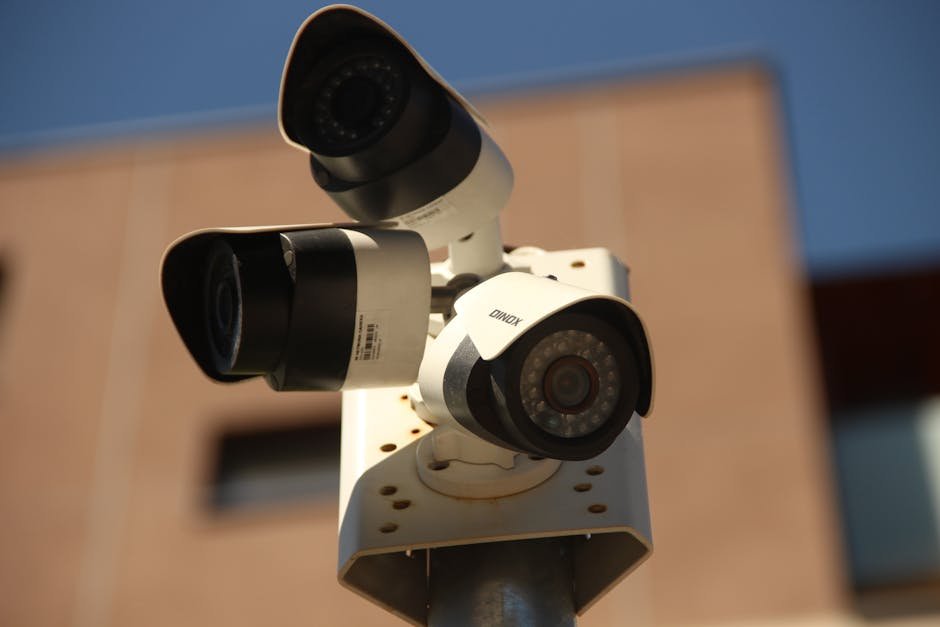
Gabon has officially ended online anonymity with a sweeping new social media law that could reshape digital rights across Africa. The legislation, which took effect in April 2026, transforms every social media platform into a surveillance tool by requiring users to provide verified personal information.
President Brice Oligui Nguema signed the comprehensive ordinance on February 26, 2026, with rules published on April 8. Every social media user must now submit their full name, home address, and national ID to platforms. Notably, how this represents a fundamental shift from temporary internet shutdowns to permanent digital control.
Severe Penalties for Non-Compliance
The financial consequences are staggering. Users face fines up to CFA50 million (approximately $89,000) or prison time for serious violations. Social media platforms must enforce these verification requirements or face their own penalties.
The law goes beyond simple identity verification. It introduces joint liability, meaning users can be punished for sharing illegal content created by others. Group administrators must actively moderate conversations, and the legislation bans harmful deepfakes while setting a minimum social media age of 16.
From Shutdowns to Permanent Control
This law represents a dramatic evolution in how African governments handle online dissent. Rather than switching off the internet during crises, Gabon is building a system where every online interaction is permanently traceable.
The country has a extensive history of internet shutdowns during political tension. These include the 2016 post-election protests, the 2019 coup attempt, and during the August 2023 coup that brought Oligui to power. Most recently, authorities blocked major platforms like WhatsApp, Facebook, and TikTok on February 17, 2026, citing "false information" and threats to national stability.
Political Context Behind the Crackdown
The timing is no coincidence. Rising protests over cost of living and public sector strikes in late 2025 added pressure on the government. By early 2026, authorities had already suspended social media platforms and quickly moved to formalize that control through legislation.
I noticed how this approach differs significantly from previous responses to unrest. Instead of temporary blackouts during crises, Gabon has created an always-on monitoring system that eliminates the anonymity that previously allowed for open political discourse online.
The implications extend far beyond Gabon's borders. This comprehensive surveillance model could become a template for other African governments seeking to control online spaces. The question now is whether global social media companies will comply with such strict, country-specific verification requirements or withdraw from the market entirely.
For citizens who have grown accustomed to expressing themselves freely online, this represents a fundamental shift. Every post, message, or share is now permanently linked to their real identity, effectively ending the era of anonymous digital participation in Gabon's political and social discourse.
As other African nations watch this experiment unfold, the success or failure of Gabon's surveillance approach may influence digital security policies across the continent for years to come.