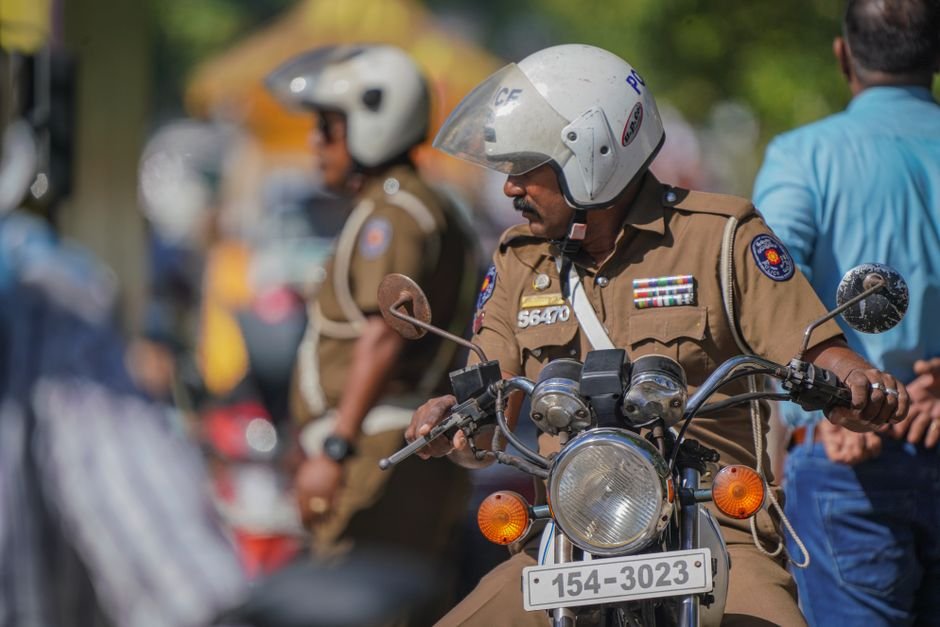
Ghana's District Assemblies Common Fund (DACF) and electric vehicle manufacturer Wahu Mobility have announced a pilot program to deploy 280 electric motorcycles across all 261 districts in the country, marking the first phase of an ambitious 5,000-unit expansion plan.
The initiative was unveiled at the Ghana-UK Investment Summit 2026 in London, where President John Dramani Mahama joined over 800 investors and policymakers. The program places at least one electric motorcycle in each of the 261 Metropolitan, Municipal and District Assemblies (MMDAs) and the 16 Regional Coordinating Councils.
Addressing Rural Service Delivery Challenges
The electric motorcycles target a persistent challenge facing district assemblies across Ghana. Many struggle to collect revenue or deliver essential services in remote areas that staff cannot easily access using conventional transportation.
Each motorcycle will be assigned to a revenue and service officer responsible for assessing property rates and business permits, collecting market tolls, and carrying out sanitation, environmental health, agricultural extension, welfare and disaster management duties.
Smart Monitoring and Revenue Tracking
The motorcycles feature advanced monitoring systems that transmit location data, distance traveled, and energy consumption to a centralized dashboard. This technology enables district leaders to correlate field officer activity with actual revenue collection, providing unprecedented transparency in local government operations.
Project partners estimate each bike could increase a district's internally generated funds by 5 to 10 percent through improved field coverage. Additionally, replacing petrol motorcycles with electric alternatives could avoid approximately 1.8 tonnes of carbon dioxide emissions annually per vehicle.
"Government moving away from petrol and driving real efficiencies in operations," said Valerie Labi, Wahu Mobility's chief executive.
Carbon Revenue Innovation
The program incorporates a groundbreaking carbon revenue component designed to meet Paris Agreement Article 6.2 requirements. Wahu Mobility already maintains a carbon mitigation arrangement with Switzerland's KliK Foundation for electric bike deployment in Ghana.
Partners claim this initiative would make Ghana the first African government to earn carbon revenue from electrifying district vehicle fleets, with proceeds returning directly to participating districts.
Local Manufacturing and Future Expansion
Valerie Labi leads Wahu Mobility, which operates what the company describes as Ghana's first completely knocked down (CKD) assembly plant for electric two-wheelers in Accra. The facility has capacity to produce approximately 200 motorcycles per month.
DACF Administrator Harry Yamson characterized the program as essential infrastructure for local government rather than a simple vehicle procurement exercise. The memorandum of understanding between the government and Wahu Mobility facilitates funding through the DACF Grant Mobilisation Programme.
Future phases plan to introduce commercial paper instruments to attract private investors for expansion and establish charging infrastructure in every district. However, the current pilot represents only a fraction of the planned 5,000-unit rollout, with funding for the full scale deployment still being secured.
The pilot program will test whether projected cost savings and revenue improvements materialize in practice. Success could pave the way for broader adoption of electric vehicles in Ghana's public sector and establish a replicable model for other African nations exploring sustainable transportation solutions for government operations.