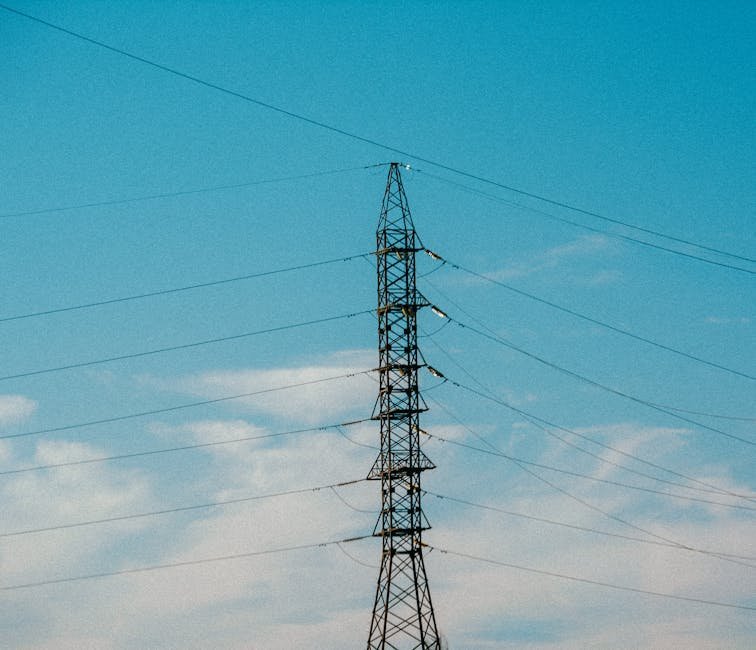
Ghana's power sector is finally addressing a problem that has been decades in the making. The Ghana Grid Company (GRIDCo) and the Electricity Company of Ghana (ECG) have announced a comprehensive upgrade of transmission infrastructure serving the Volta and Oti Regions.
What particularly notable about this announcement is the scale of neglect it reveals. We are talking about transmission lines built in the 1980s that are now being upgraded from 69 kV to 161 kV between Ho and Tamale.
Overloaded System Creates Regional Power Crisis
Acting Managing Director of ECG, Kwame Kpekpena, did not mince words about the current state of affairs. The existing system is overloaded, resulting in power tripping and low voltage issues across both regions.
"It requires that we build a new transmission line from Asiekpe all the way to Kadjebi, but it will continue to Tamale through Salaga. So, it is a lot of work that needs to be done," Kpekpena said during a courtesy call on Volta Regional Minister James Gunu.
The project will ensure sufficient power transmission to Ho, Kadjebi, Salaga, and Tamale substations that are yet to be constructed. This tells you everything about how behind Ghana's power infrastructure has fallen in these regions.
Phase One Targets Immediate Volta Region Relief
The first phase focuses specifically on the Volta Region's most pressing needs. Kpekpena explained that government funding has already been allocated for this initial stage.
"When that is done, the voltage across the whole of the Volta Region will immediately improve. This is because the biggest load on that line, that is, from Asiekpe to Savelugu, will be taken off the 69 kV and put on 161 kV," he stated.
Two potential sites have been identified for the new bulk supply point in Ho. ECG will also need to construct new transmission lines to transfer power received from GRIDCo.
Traditional Authority Cooperation Essential
Kpekpena made a specific appeal to Regional Minister Gunu for support in coordinating with traditional authorities. This highlights a recurring challenge in Ghana's infrastructure projects - land acquisition and community buy-in.
Acting Deputy Chief Executive of GRIDCo, Frank Otchere, confirmed that designs and preparatory work are already underway with stakeholders. He expressed confidence that Phase One will be completed by the end of 2026.
Economic Policy Implications
Minister Gunu connected the dots between reliable power and economic development. He praised the initiative as essential for implementing the government's 24-hour Economy Policy.
The policy involves establishing the Volta Economic Corridor Project and an industrial park, both heavily dependent on stable electricity supply. Without this infrastructure upgrade, those economic development plans would remain pipe dreams.
I find it encouraging that Ghana is finally taking concrete steps to address infrastructure deficits that have persisted for decades. However, the timeline stretching to 2026 means residents and businesses in these regions must endure continued power challenges for at least two more years.
This project represents more than just infrastructure development - it is about economic transformation for regions that have been underserved for too long.