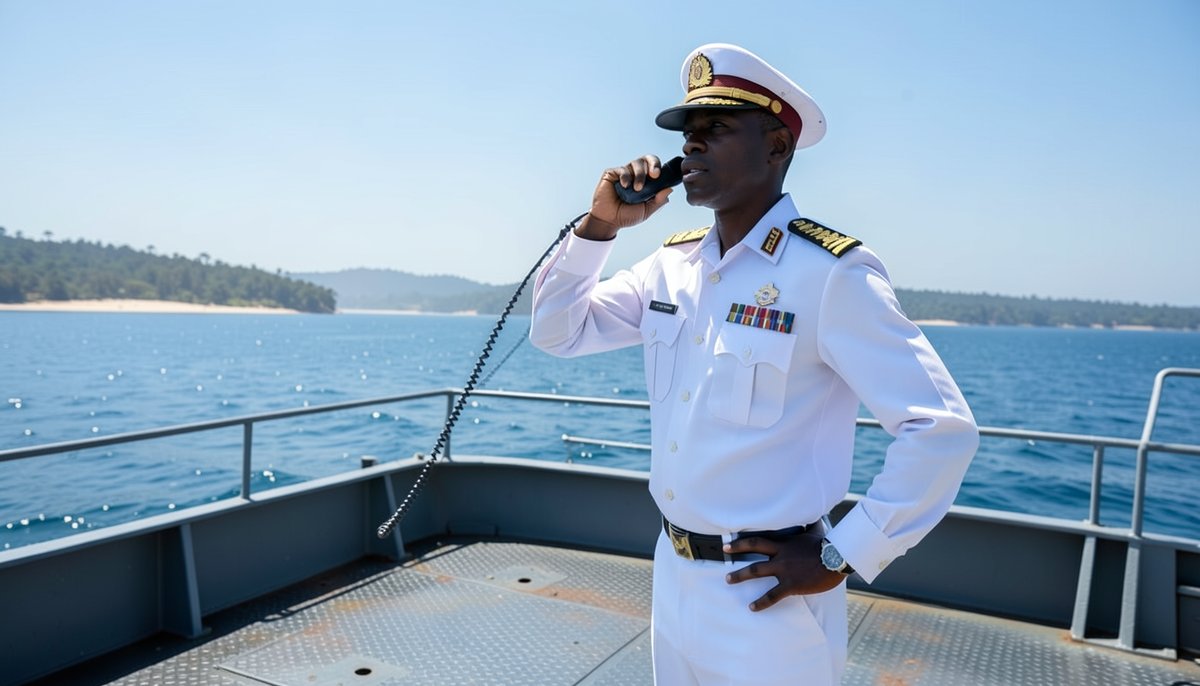
Ghana's Navy has a problem it cannot solve with ships, radar, and aircraft alone: 225,000 square kilometres of Exclusive Economic Zone, and no way to watch all of it at once.
That was the core message from Commodore Ben Baba Abdul, Chief Staff Officer at the Naval Headquarters, speaking Monday at the Ghana Space Conference 2026 in Accra. He delivered the address on behalf of Rear Admiral Godwin Livinus Bessing, the Chief of the Naval Staff.
The Navy followed up with a formal statement on its website Tuesday, cementing the call for satellite technology to be integrated into Ghana's maritime security operations.
Why the Gaps Are So Costly
Commodore Abdul was direct about the stakes. Ghana's maritime domain handles roughly 85 per cent of the country's trade, alongside fisheries and offshore oil and gas activities — all of which require reliable surveillance to protect.
The current setup of vessels, coastal radars, and aircraft cannot provide continuous coverage of that expanse. Those coverage gaps, he said, are what invite illegal fishing, trafficking, and other maritime crimes.
The scale of the problem is not abstract. This month alone, the Navy seized boats carrying suspected marijuana worth over US$1 million.
What the Navy Is Asking For
Commodore Abdul specifically named Synthetic Aperture Radar and satellite-based vessel identification systems as important additions to the Navy's surveillance. These technologies could detect unusual vessel movements, monitor territorial waters and inland waterways, and — critically — flag ships operating without identification signals.
That last point matters a lot. Vessels that go dark on identification systems are a persistent challenge for maritime security forces globally.
With better intelligence, the Navy argues it can deploy its existing resources far more effectively — sending ships and aircraft where they are actually needed, rather than patrolling blindly.
Building Local Capacity, Not Just Buying Data
Commander Philip Odoi-Narh added another dimension to the conversation in a separate presentation on Ghana's space industry from a maritime perspective. He made the case that Ghana should not just consume satellite data — it should build the local capacity to analyse it.
He urged state agencies, universities, and private firms to collaborate on satellite-driven services, including vessel detection, port and shipping monitoring, and environmental surveillance.
It is a practical argument: buying access to satellite imagery is one thing, but developing home-grown expertise in interpreting that data for maritime use would give Ghana's security agencies far greater independence and speed.
A Case the Navy Has Made Before
This is not the first time the Navy has pushed for more investment in maritime surveillance. In October, the Western Naval Commander raised the same case on cost grounds following a rescue at sea. That Ghana's naval leadership is now making the argument at a national space conference signals a more concerted push to get the issue on the policy agenda.
Parliament's passage of the Maritime Offences Bill in July — aimed at strengthening the fight against piracy — shows some legislative momentum already exists.
How quickly Ghana's space and defence policymakers act on that message remains to be seen. The push to integrate satellite intelligence into national security infrastructure is growing louder, and the Navy clearly is not done making its case.