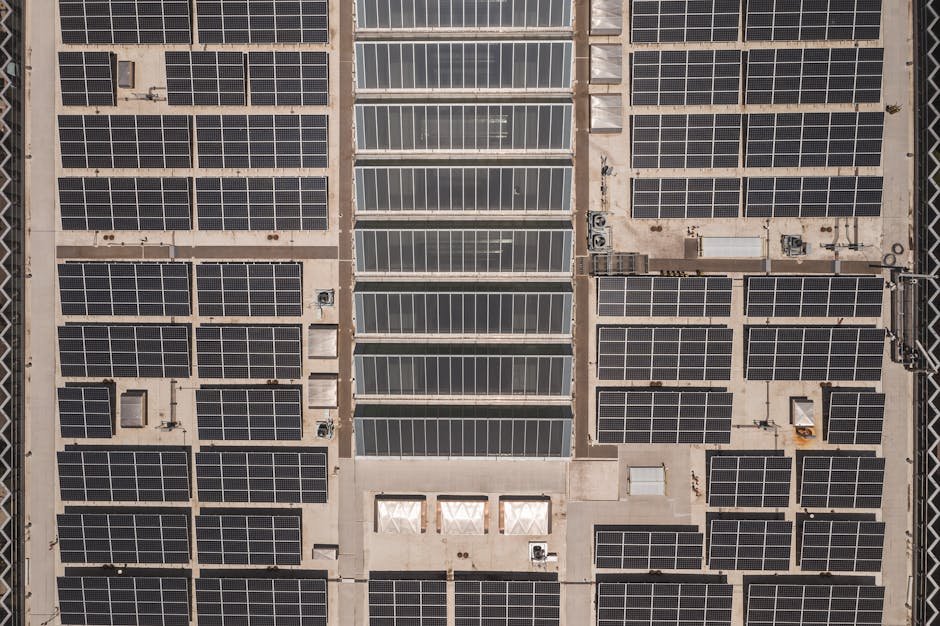
Ghana's Parliament will install solar panels at the parliamentary enclave to lead the country's transition to renewable energy, officials announced during a major climate investment dialogue in Accra.
The initiative represents Parliament's commitment to demonstrating sustainable energy practices while encouraging constituencies across Ghana to embrace renewable energy solutions.
From Awareness to Action
Chair of the Committee on Environment, Science, and Technology Yaw Addo Frimpong announced the solar installation plans during the Ghana Green Investment Dialogue held in Accra. The workshop brought together policymakers, legislators, investors, financial institutions, and development partners to discuss strategies for mobilizing green investment and climate finance.
"There has been enough awareness creation about renewable energy and sustainability. The time has come for practical action," Mr. Frimpong stated.
The event was organized by the Climate Parliament in partnership with the United Nations Industrial Development Organisation (UNIDO) and the Parliament of Ghana.
Legislative Support for Green Investment
Mr. Frimpong emphasized that Parliament stands ready to support the passage of laws and regulations needed to create a favorable environment for renewable energy investments. The focus includes constituency-based energy projects that could transform Ghana's energy landscape.
The MP highlighted successful examples from neighboring countries, citing Zambia's experience during its energy crisis. In Zambia, legislators used constituency development funds to invest in alternative energy projects within their communities.
According to Mr. Frimpong, the Zambian initiative enabled Members of Parliament to establish small-scale renewable energy projects that reduced pressure on the national electricity supply system.
"If such initiatives had been implemented earlier in Ghana, the impact of some of our past energy crises could have been reduced," he said.
Government Progress on Large-Scale Implementation
The Deputy Director for Renewable Energy and Green Transition at the Ministry of Energy and Green Transition, Dr. Robert Sogbadji, outlined Ghana's current position in renewable energy development. He noted that Ghana has reached a critical stage requiring movement beyond pilot projects toward large-scale implementation and bankable investment pipelines.
Dr. Sogbadji highlighted significant government progress through the Scaling-Up Renewable Energy Programme (SREP). This program has enabled the installation of solar mini-grids in island and lakeside communities across Ghana.
Collaborative Approach to Energy Security
Mr. Frimpong stressed that Ghana's renewable energy transition requires collaboration among government ministries, investors, financial institutions, and energy providers to mobilize resources for large-scale implementation. He called for similar constituency-level renewable energy projects to improve energy security, create jobs, and support sustainable development.
The parliamentary solar installation initiative aligns with broader efforts to position Ghana as a leader in West Africa's clean energy transition. By implementing renewable energy solutions at the highest levels of government, Parliament aims to demonstrate the viability and benefits of sustainable energy technologies.
This development comes as Ghana seeks to diversify its energy mix and reduce dependence on traditional power sources. The initiative could influence policy decisions and encourage private sector investment in renewable energy technologies across the country.