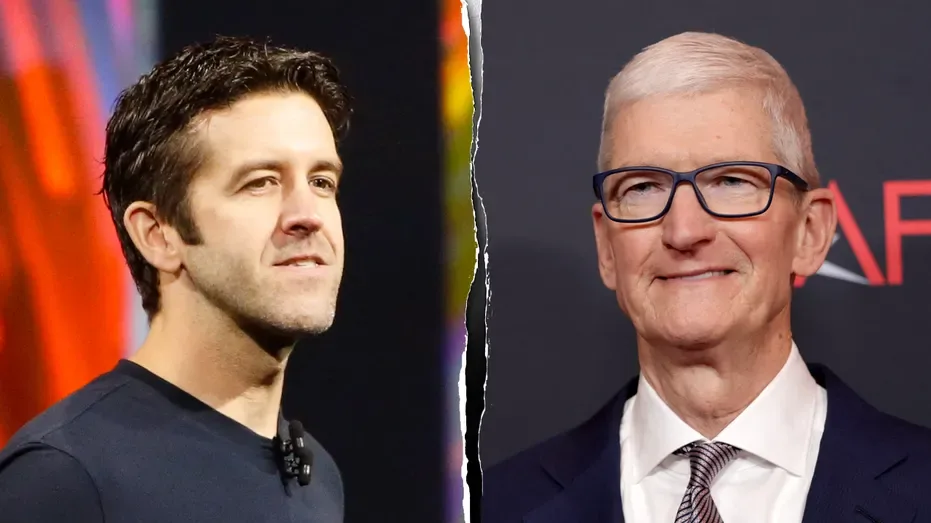
Apple dropped a bombshell on Monday by naming hardware engineering chief John Ternus as its next chief executive officer. The announcement ends Tim Cook's remarkable 15-year run at the helm of the world's most valuable technology company, with the leadership transition scheduled for September 1, 2026.
What particularly notable immediately was the sheer scale of Cook's achievement. The company's market capitalization has exploded to $4 trillion under his watch — a staggering 24-fold increase since he took over from the late Steve Jobs in 2011.
The Handover Plan
Cook will not disappear entirely from Apple's ecosystem. He will remain in his current role through the summer, working directly with Ternus on what the company describes as a "structured handover."
After September, Cook will transition to executive chairman, where he plans to focus on engaging with policymakers around the world. This move makes sense given Apple's ongoing regulatory battles across multiple continents.
"It has been the greatest privilege of my life to be the chief executive officer of Apple," Cook said in a statement.
Meet John Ternus
Ternus, 50, brings deep hardware expertise to the top job. He joined Apple's product design team in 2001, became vice president of hardware engineering in 2013, and joined the executive team as senior vice president in 2021.
His resume reads like a who is who of Apple's most successful products. Ternus has overseen hardware engineering for the iPhone, iPad, Mac, Apple Watch, AirPods, and Vision Pro — basically every major Apple device you can think of.
The succession planning also includes a significant organizational change. Johny Srouji, previously senior vice president of hardware technologies, will move into a newly expanded chief hardware officer position, adding hardware engineering responsibilities to his existing role.
The AI Challenge Ahead
Ternus inherits some serious challenges, particularly in artificial intelligence. Apple has faced sustained criticism from investors and industry analysts for lagging behind competitors in AI development.
The company has delayed upgrades to its Siri voice assistant multiple times. More tellingly, Apple recently turned to Google's Gemini model to power future Apple Intelligence features — a move that signals the company's recognition of its AI shortcomings.
It is notable that Ternus approached his new role with characteristic Apple humility, describing the opportunity as one he takes on with deep respect for the company's values across five decades.
Apple's board of directors approved the transition unanimously, following what the company described as a long-term succession planning process. This suggests the move was carefully orchestrated rather than a sudden decision.
Cook's Legacy
Cook joined Apple in 1998, well before the company became the tech juggernaut we know today. His tenure as CEO since 2011 positions him as one of the most consequential technology chief executives in modern history.
The numbers speak for themselves. Under Cook's leadership, Apple transformed from a innovative but niche computer company into the world's most valuable corporation, with products that have reshaped entire industries.
As we watch this transition unfold over the coming months, the tech industry will be closely monitoring how Ternus plans to navigate Apple's future, particularly in areas like artificial intelligence where the company needs to catch up with competitors.