Speaking to Ghanaians in New York on Friday, September 25, President John Dramani Mahama made clear that the question of how to regulate TikTok is not just Ghana's problem — but Ghana, he said, cannot afford to ignore it either.
Addressing a town hall meeting with the Ghanaian community in New York, Mahama laid out his case for why the country needs a serious, structured conversation on how platforms like TikTok should be governed. The core issue, he said, is what he calls information integrity — the challenge of ensuring that content reaching millions of people meets some basic standard of accuracy and accountability.
"The media has become democratised. Anybody with a mobile phone can disseminate information. There is a new medium called TikTok. And it is not only Ghana where people are wondering what to do to regulate TikTok. Because in all countries all over the world, we are wondering what to do to make sure that we have information integrity even with TikTok," Mahama said.
The Algorithm Problem
Mahama drew a sharp contrast between traditional media and the new digital environment. Established outlets like the Daily Graphic and Channel One, he said, operate with professional journalists whose reputations are tied to what they publish. That accountability structure simply does not exist on platforms like TikTok.
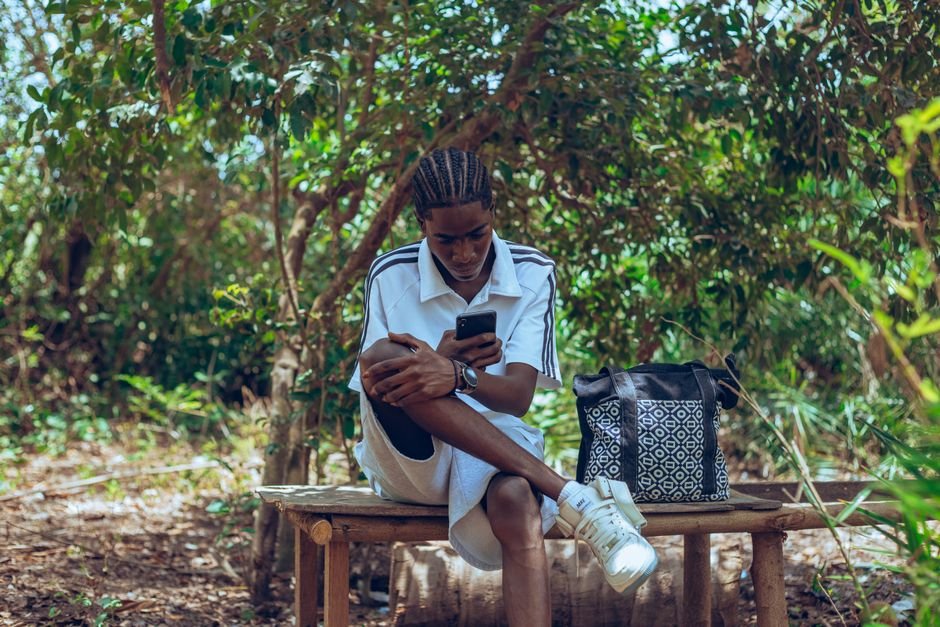
"Anybody who has a phone just puts it in front of him and just says whatever he likes. Once they put it out, it has an algorithm that shares it," he said. That algorithmic amplification is the crux of the concern — content does not need to be verified or credible to reach a massive audience; it just needs to get clicks.
This is not a uniquely Ghanaian tension. Governments and regulators across Europe, Asia, and North America have been wrestling with the same questions around online safety, platform accountability, and the limits of free expression in the age of viral content. But for a country still building out its digital regulatory infrastructure, the stakes are particularly high.
Anonymous Accounts and Vile Content
Beyond misinformation, Mahama flagged another dimension of the problem: anonymous accounts publishing what he described as insulting and vile content. He was careful, though, to separate his personal tolerance for criticism from the broader regulatory question.
"As a leader, I do not mind being insulted. I have been insulted. I was vilified. I was voted out of office. I have a tough skin; so if you insult me, I do not mind," Mahama said.
He acknowledged that several recent arrests linked to social media activity had come to his attention through media reports — not through official channels. Some of those arrested were allegedly detained for insulting him personally, something he said gave him pause.
"Definitely, a lot of these arrests, I do not even know about them. I also hear about them in the media. Some of them have been tracked and arrested and all that. And sometimes, it worries me, because sometimes the reason for which the person has been arrested, really, they say, is because he insulted me," he said.
That candour matters. It signals that his push for a regulatory conversation is not about protecting himself from online critics — it is about finding a framework that can distinguish between harmful misinformation and legitimate, if sharp, political speech. That is a genuinely difficult line to draw, and regulators worldwide are still getting it wrong as often as they get it right.
What Comes Next
Mahama has not proposed specific legislation or a regulatory body. His call, for now, is for a stakeholders forum — a broader national discussion involving media, civil society, and government on how Ghana should approach new media regulation.
The timing is notable. TikTok's influence on political discourse during Ghana's 2024 election cycle was significant, and questions about how AI-driven content algorithms shape public opinion are only becoming more urgent as the platform grows. Whether Ghana moves toward formal legislation, platform-level agreements, or something else entirely remains to be seen — but Mahama's New York remarks suggest the conversation is no longer optional.