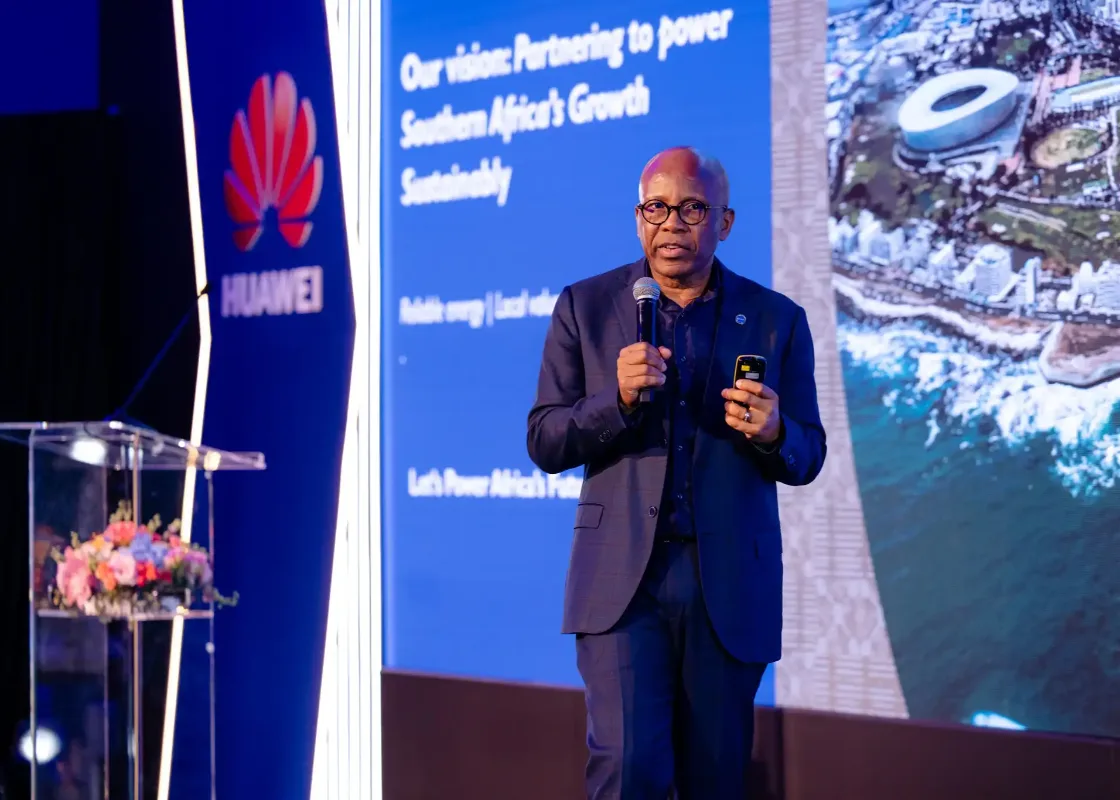
A new subsea cable project is set to turn Réunion Island into a major digital crossroads between Europe, Africa and Asia. The announcement came on the sidelines of Africa Tech Festival 2026 in Cape Town, South Africa, where a consortium unveiled plans for the ReuNION (Reunion New Indian Ocean Network) cable system.
The consortium bringing the project to life includes telecoms operator Orange, La Réunion Connectée, Reunicable and Telco OI. Together, they say the system will not only strengthen Réunion Island's own connectivity but position it as a strategic interconnection point in the Indian Ocean.
A Two-Phase Build
The project rolls out in two stages. Phase one creates a direct link between La Réunion and South Africa, with 16 pairs of optical fibres designed to handle growing digital traffic. Marine studies are already underway, cable deployment is scheduled for 2027 and 2028, and Ready for Provisional Acceptance (RFPA) of the first section is targeted for early 2029.
That first phase is backed by European funding — specifically the Connecting Europe Facility (CEF) programme for strategic digital infrastructure, and the European Regional Development Fund (ERDF).
Phase two extends the system all the way to Singapore, a major Asian digital hub, creating what the consortium describes as a high-performance digital corridor between Africa and Asia. That extension would scale capacity up to 24 pairs of optical fibres, giving ReuNION reach across Europe, Africa and Asia simultaneously.
The ambition is clear: bypass contested areas and saturated bottlenecks while providing what the group calls "strict neutral access and high security for critical data flows." The cable aims to give emerging African markets new pathways into international digital networks. digital traffic.
Réunion as a Strategic Hub
The consortium is leaning hard into Réunion Island's geographic and political position. As a French territory in the Indian Ocean, the island represents what the group calls a "French and European presence in a strategically important region."
"It is well positioned to support the development of reliable, resilient digital infrastructure built on stability, security and European standards, serving regional connectivity and international trade," the consortium said in a statement.
The consortium describes the system as a neutral alternative digital route. This matters especially for the security of critical data flows between continents.
Phase Two Needs Investors
The Singapore extension, however, still requires further feasibility and project-structuring studies. The consortium is actively seeking investors and partners to join phase two, calling it "an ambitious next step" that will require further feasibility and project-structuring studies.
Potential partners would be able to request additional branching units and choose from a range of landing points. Proposed Africa hub options include Mauritius, Madagascar and Mayotte. On the Asia hub side, the list covers India, Sri Lanka, Malaysia, Indonesia and the Maldives.
The consortium says it has begun discussions with international financial and strategic partners for the Africa-Asia extension.