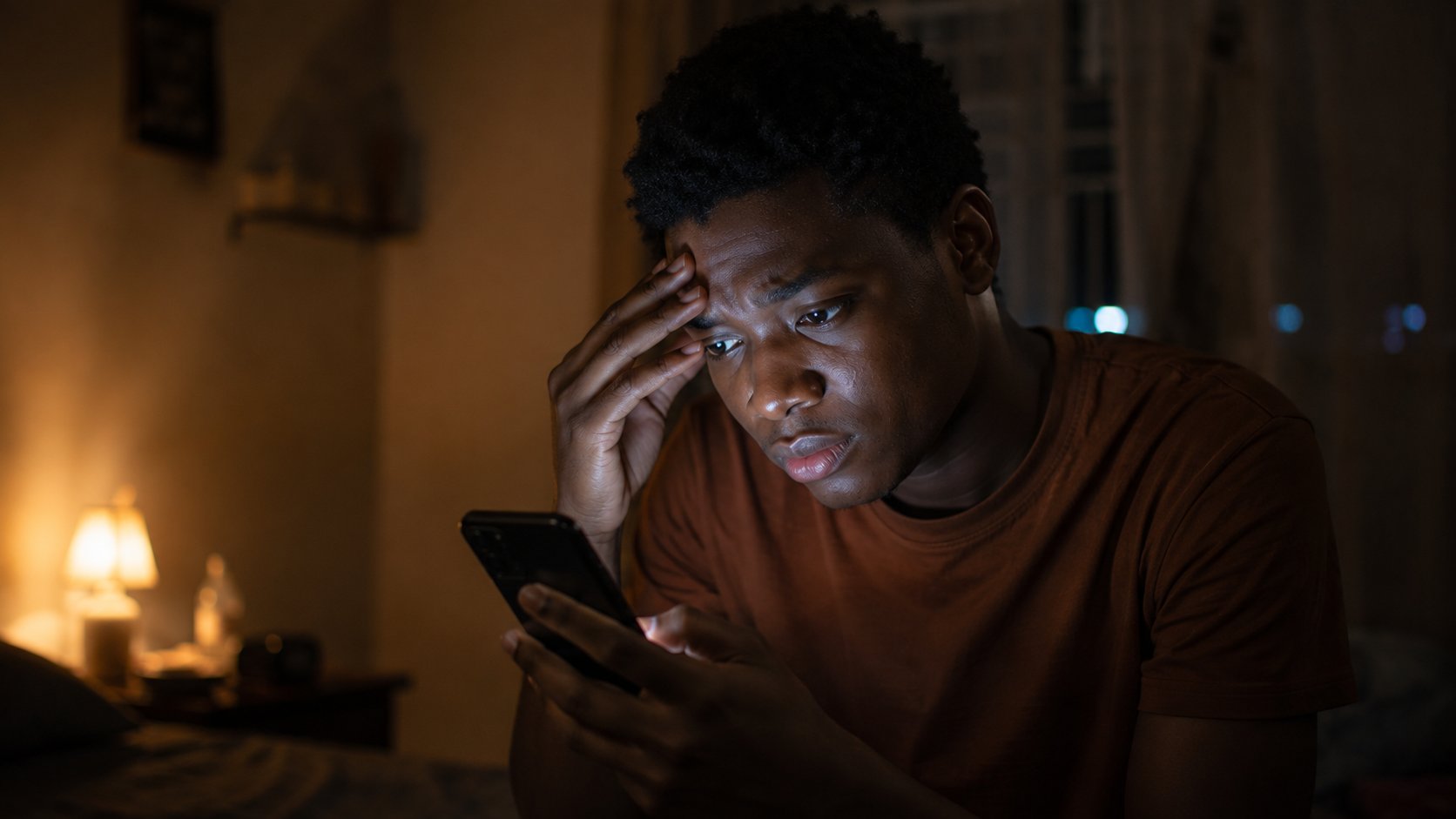
If you have come to this page because someone you met online is now threatening you, stop for a moment and take a breath. You are not the first person this has happened to, you will not be the last, and there is a clear way through it. What is being done to you is a crime. You are the victim here — not the guilty party — and help is available right now.
How romance scams unfold
Romance scammers are patient, and that patience is what makes them dangerous. The CSA describes a pattern that repeats again and again. It often begins with a profile whose photos look a little too perfect — more like a model's portfolio than ordinary snapshots. The person is warm, attentive, sometimes overwhelming, showering you with messages and affection early on.
Fairly quickly, they want to move the conversation off the dating app or platform to private messaging, where there is less oversight. And although they may talk constantly about meeting you in person, something always comes up at the last minute to prevent it. The goal, in the end, is to get you to send money, gifts, or personal details — playing on real emotions to do it.
It can feel deeply genuine, because the scammer works hard to make it feel that way. Being drawn in does not mean you were naïve. It means someone exploited your capacity to care.
When it turns into sextortion
Sometimes these schemes take a darker turn. After building trust, the scammer encourages intimate photos or steers you into an explicit video call — then secretly records or saves it. With that material in hand, they demand money (usually by mobile money) to keep it private, and they often move to encrypted apps like WhatsApp, Telegram, or Signal to cover their tracks. This is sextortion.
A painful but vital truth: paying rarely ends it. The CSA is explicit that paying a ransom tends to invite further demands rather than stop them, and it does not guarantee the material is deleted.
What to do if you are being blackmailed
Follow these steps, in this order.
2. Stop all communication with the person immediately — do not argue, do not negotiate, just disengage.
3. Preserve the evidence before you delete anything: screenshots of the messages, usernames, profile links, phone numbers, and any payment demands.
4. Report it. Contact the CSA on 292 or WhatsApp 0501603111.
5. Tell someone you trust. The shame these criminals rely on loses its grip the moment you bring another person in. A counsellor or trusted family member can help carry this with you.
How to protect yourself going forward
Carry this away from the page if nothing else: caution, not shame. Wanting connection is human and good. The fault lies entirely with the people who exploit it.
This guide is part of our complete guide to staying safe online in Ghana. Because these scams usually move to chat apps, our guide to phishing and WhatsApp takeovers is a useful companion.
About this guide
Common questions
How can I tell if an online partner is a romance scammer?
Be cautious if they profess strong feelings very fast, always avoid live video calls or meeting in person, have a story that keeps changing, and eventually ask for money — for an emergency, a flight, customs fees, or a 'sure' investment. Doing a reverse image search on their photos often reveals stolen pictures.
What is sextortion and what should I do if it happens to me?
Sextortion is when someone threatens to share intimate photos or videos of you unless you pay. Do not pay — paying rarely stops them. Stop all contact, take screenshots as evidence, and report it to the Cyber Security Authority on the short code 292. You are the victim of a crime, not the one at fault.
Where do I report a romance scam or sextortion in Ghana?
Report to Ghana's Cyber Security Authority on the short code 292, which handles online fraud and sextortion. Keep all evidence — chats, photos sent to you, payment requests, and account details — to support your report.
This guide is part of TechTrendi's Online Safety series for Ghana. The advice here is drawn from official sources, including Ghana's Cyber Security Authority (CSA) and its advisories on romance scams and online blackmail/sextortion. Written by Edmund A. and reviewed by the TechTrendi editorial team. Last reviewed: June 2026.
Spotted an error, or a scam we should cover? Email us at [email protected]. To report a crime, contact the CSA on 292.