Every judge sitting on Ghana's bench can now use an artificial intelligence platform for legal work. That is the claim from Eskwai, the company behind Kwame AI, which says it has completed the training of 445 Ghanaian judges — the entire judiciary — on its AI research and drafting tool.
The company described the rollout as a nationwide deployment of legal AI and said it followed about a year of work with the Judicial Service of Ghana. It is positioning the milestone as a global first, though that claim is the company's own and has not been independently verified.
Who Was in the Room
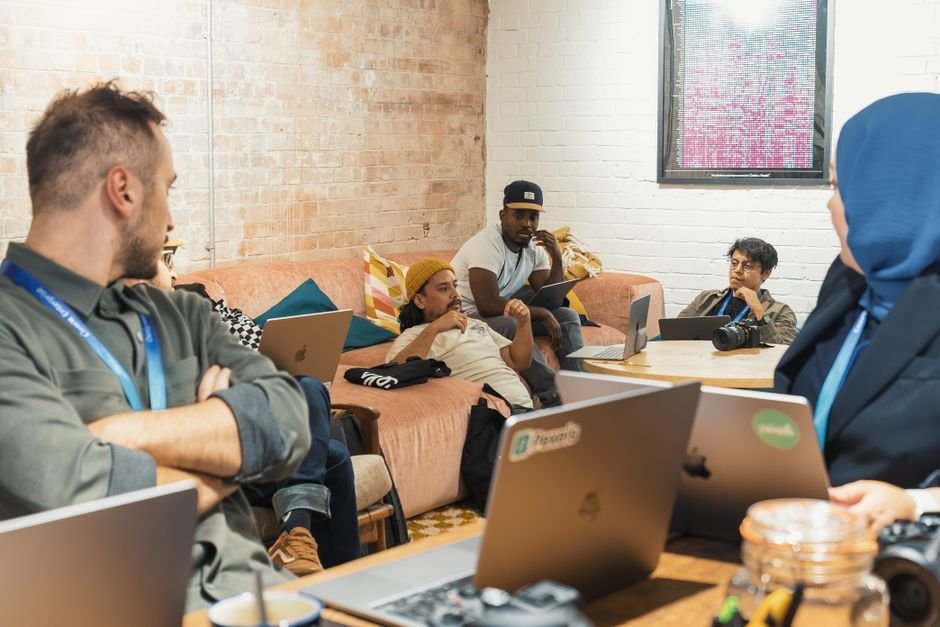
Training sessions covered three core tasks: legal research, document review, and drafting — work that takes up much of a judge's day. Judges were also instructed on how to use the tool responsibly, an emphasis that reflects wider anxiety about AI in courtrooms.
Supreme Court Justices received in-person training. Ghana's Chief Justice, Paul Baffoe-Bonnie, attended those sessions.
The Problem This Is Meant to Solve
Courts in many countries have kept AI at arm's length, and for good reason. AI tools have a tendency to produce confident but false answers — a risk that has already played out in real cases abroad, where lawyers submitted filings that cited court cases which simply did not exist, fabricated by the AI tools they would relied on.
Kwame AI's approach tries to address that directly: it puts the tool in their hands alongside formal instruction on its limits.
What Comes Next
Training is only the beginning. Kwame AI says its next priority is supporting actual adoption — ensuring judges use the tool consistently enough to produce measurable gains in efficiency. Neither the company nor the Judicial Service has published data on case backlogs, processing times, or usage rates, and none were included in the announcement.
That is the real test. A trained bench and an actively used bench are not the same thing.
A Different Argument for Legal AI
Kwame AI is making a pointed argument about where the legal AI industry's priorities should lie. While much of the conversation in the United States and Europe revolves around fundraising totals, company valuations, and annual recurring revenue, the company says the more important question is social impact.
Specifically, it asks whether AI widens the gap between people who can afford legal help and those who cannot — or narrows it. The company said Africa is where AI could deliver the largest social impact, and that it is working to ensure the technology improves access to legal services and justice for all.
Ghana's experiment will be one of the clearest tests yet of whether that promise holds up in practice.