Ghana's Minister for Education, Haruna Iddrisu, is sounding the alarm over how artificial intelligence is being used in classrooms — from primary schools all the way to universities — warning that unchecked AI dependence could hollow out the very purpose of education.
Speaking at the 2026 National Education Week and Evidence Summit in Accra, Iddrisu acknowledged that AI offers genuine opportunities to transform teaching and learning. But he drew a sharp line between using the technology as a learning aid and using it as a shortcut.
"We need to guard against the use of AI in producing lazy learners from primary school up to the university. It may provide a shortcut which may not provide for the production of quality graduates for our purposes as a country," Iddrisu stated.
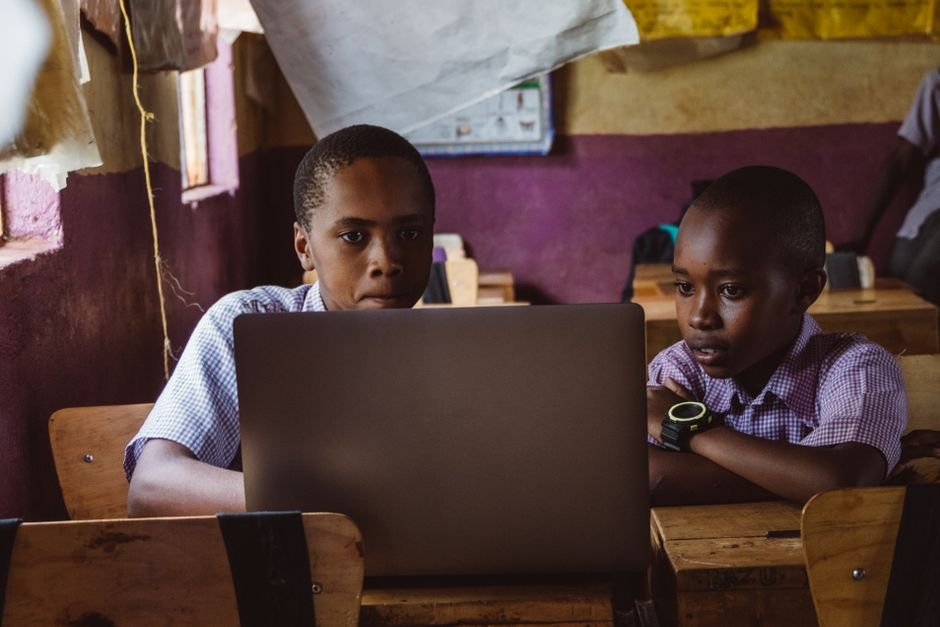
The concern is not AI itself — it is dependency. Iddrisu's worry is that students are increasingly turning to AI tools to complete assignments, conduct research, and generate answers without genuinely engaging with the material. That kind of convenience, he argued, chips away at independent thinking, analytical ability, and problem-solving skills.
Technology Should Complement, Not Replace, Teachers
Iddrisu was clear that the government intends to harness technology to improve educational outcomes. What it will not support, he said, is any approach that sidelines teachers or turns AI into a substitute for real intellectual effort.
His position is that technology must complement the work of teachers and raise the quality of education — not give students a way around the hard work that produces capable, creative graduates. The benefits of AI in education will only be fully realised, he argued, when its application actively supports the development of knowledgeable and analytical graduates who can address Ghana's development needs.
A Push for Digital Education Policy
Beyond the warning, Iddrisu's remarks at the summit call for a digital education policy. The growing presence of AI tools in academic institutions, he stressed, requires careful attention to prevent students from becoming overly reliant on digital tools to complete their work.
Ghana, active in tech and education policy.