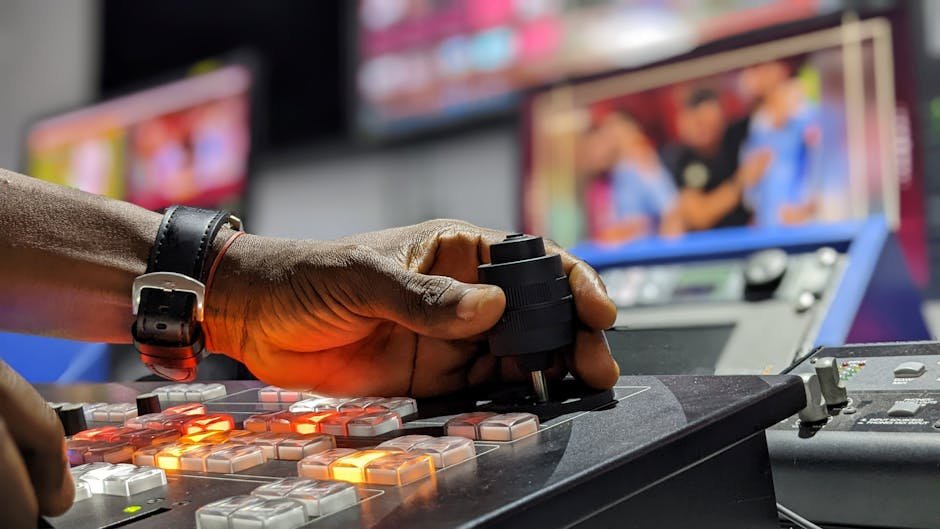
Nigeria has officially set June 17, 2026 as the definitive date for completing its transition from analogue to digital television broadcasting, marking the end of a decade-long delay in implementing this technology reform.
Mohammed Idris, Minister of Information and National Orientation, announced the relaunch of the Digital Switch Over (DSO) programme during a recent briefing. The minister characterized the initiative as a landmark technology reform that will fundamentally transform Nigeria's television ecosystem.
Delayed Transition Finally Gets Firm Date
The DSO programme has experienced multiple postponements since Nigeria initially committed to the International Telecommunication Union's 2015 deadline for African nations to migrate to digital broadcasting. The country conducted pilot rollouts in select states over the past decade but never achieved full national implementation.
The transition will require television signals to be transmitted exclusively through digital frequencies. Viewers currently using analogue television sets must acquire set-top boxes or purchase new digital-ready televisions to continue receiving free-to-air channels.
Broadcasting Industry Faces Mixed Challenges
Nigeria's broadcast landscape presents uneven readiness for the digital transition. Major commercial broadcasters and the state-owned Nigerian Television Authority (NTA) possess better financial capacity to absorb infrastructure upgrade costs.
Smaller regional and community stations face significant challenges meeting the new technical standards. These operators, many already operating on thin profit margins, require substantial investment in digital transmission infrastructure and equipment upgrades.
The government announcement did not address whether subsidies or technical support will be provided to help smaller stations meet the deadline.
Consumer Impact and Market Opportunities
The DSO promises enhanced viewing experiences through additional channels, improved picture and sound quality, and more efficient spectrum utilization. However, widespread adoption depends on set-top box availability and affordability, particularly in lower-income households and rural communities where analogue television serves as the primary information and entertainment source.
For the broader technology sector, the switchover creates business opportunities in set-top box distribution, digital content production, and spectrum reallocation services.
Digital Dividend Spectrum Benefits
The freed analogue spectrum, known as the digital dividend, can be repurposed for mobile broadband services. This prospect has attracted significant interest from Nigeria's telecommunications industry, which could utilize the spectrum to expand network coverage and capacity.
The success of the June 17, 2026 deadline will depend on coordination between government agencies, broadcasters, and device manufacturers over the next twelve months. Effective collaboration will determine whether this date represents a genuine digital transformation milestone or another missed opportunity in Nigeria's broadcasting modernization efforts.
The confirmation of a firm 2026 date signals renewed political commitment to complete the digital transition that has been delayed for over a decade since the original ITU deadline.