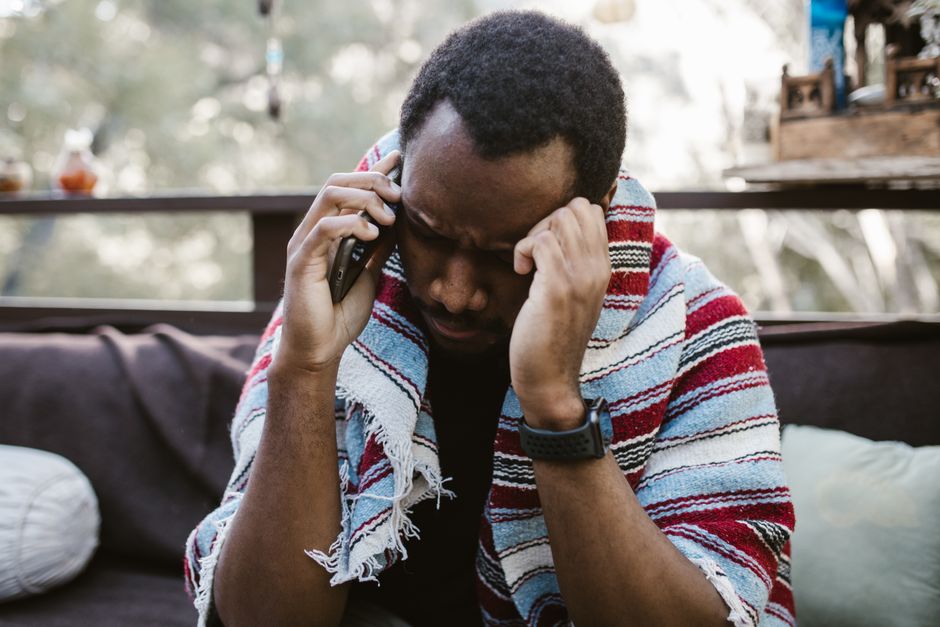
A WhatsApp message lands from a number you do not know. It says money has just left your account — often a painfully specific amount — and that if you did not authorise it, you should reply NO to cancel.
There is no link to click. No OTP to read out. No call to answer. Just a two-letter reply.
That is the point. The format spread widely in mid-October 2026 after Hyderabad Police Commissioner V.C. Sajjanar publicly warned about it, and the pattern travels fast between countries because it needs no local infrastructure — only a phone number and a believable amount.
What is actually true, and what has been exaggerated
Being accurate here matters, because the scary version of this story is spreading faster than the verified one.
The viral claim is that replying "NO" by itself installs malware and empties your account. Cybersecurity outlet The420.in examined that claim on 15 October 2026 and found no public technical analysis establishing it. Sending the letters N and O to an ordinary WhatsApp account does not, on its own, execute a malicious file or hand anyone access to your banking app.
What the police actually advised was narrower and sound: do not reply YES or NO to banking messages from unknown numbers.
The real danger is simpler and still serious. Replying tells the sender a real person is on the other end. Your number moves from a bulk list to a confirmed-active list, and that is when the follow-up begins — a malicious APK to install, a fake bank link, a convincing phone call from someone who now knows you are worried about your account.
So the advice is the same either way. The reason is just honest.
Why this one works so well in Ghana
Ghana runs on mobile money. Most adults have seen a genuine debit alert, so a fake one looks familiar. And a message claiming your money is leaving right now is built to stop you thinking.
Panic is the mechanism. Every detail of the format — the unknown sender, the exact amount, the single-word reply, the implied deadline — exists to get you to respond before you check.
What to do when one arrives
- Do not reply at all. Not NO, not YES, not "who is this". Any reply confirms the number works.
- Check your balance yourself. Dial your network's own shortcode or open your bank's app. Never use a number or link from the message.
- Call the official line. Use the number printed on your bank card or the network's published customer-care line, not one supplied in the message.
- Block and report the sender in WhatsApp. Reporting helps the pattern get picked up.
- Never install an APK sent by someone claiming to be your bank. No Ghanaian bank distributes its app that way.
- If you already replied, do not panic and do not continue the conversation. Block the number, check your balance through official channels, and change your banking password if you shared anything.
Check a message before you trust it
If you are unsure about a message you have received, these free tools on TechTrendi can help you decide:
- Ghana Scam Checker — paste the message and see whether it matches patterns reported in Ghana.
- Scam Analyzer — a closer breakdown of the pressure tactics a message is using.
- WhatsApp Security Audit — lock down your own account so it cannot be taken over and used against your contacts.
- Phishing Quiz — practise spotting fakes before one arrives at a bad moment.
The habit worth building is small: when a message creates urgency about your money, stop and verify through a channel you chose yourself. Scams in this family do not survive a thirty-second pause.
Sources
- Business Today, 14 October 2026 — Hyderabad Police warning on the WhatsApp "NO" scam. businesstoday.in
- Graphic Online — Cyber Security Authority on the 292 reporting line and verifying before sending money. graphic.com.gh
- The420.in, 15 October 2026 — analysis finding the malware claim unverified. the420.in