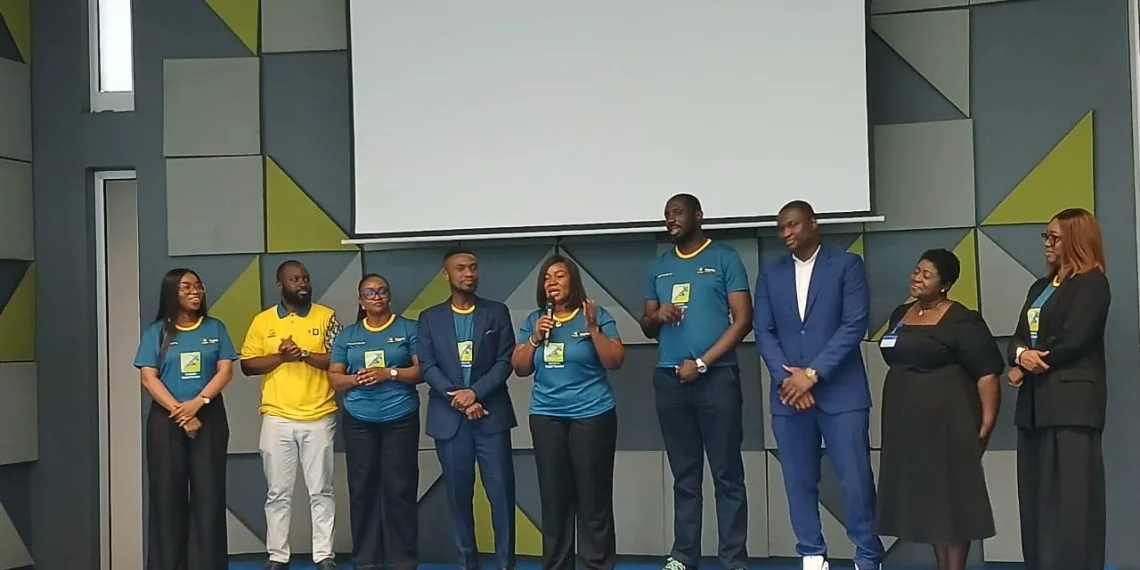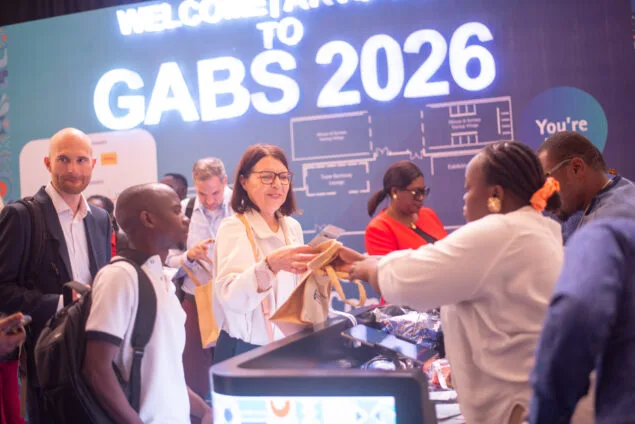
Ghana's artificial intelligence sector got a concrete new platform when AI Hub Ghana was officially opened at a side event of the German-African Business Summit (GABS) 2026 in Accra — an initiative built to plug Ghanaian innovators and tech businesses directly into European opportunities.
The launch event, organised by 4th IR, ran under the theme "AI Made in Ghana" and was structured around showcasing locally developed AI solutions, giving participants an opportunity to explore practical applications of the technology and the capabilities of local developers.
Who Was in the Room
The event was not just a demo day. It brought together representatives from academia, technology ecosystem organisations, European companies, and government institutions for a high-level panel discussion.
Discussions centred on four clear pillars: building Ghana-Europe technology partnerships, developing local talent, promoting responsible AI adoption, and creating clearer investment pathways into Ghana's tech sector. The conversations were as much about deal-making as they were about policy.
What the Hub Is Meant to Do
At its core, AI Hub Ghana is designed to connect the country's AI talent and homegrown innovations to international markets. The initiative also aims to encourage knowledge exchange between Ghanaian and European stakeholders — not just capital flows, but knowledge exchange.
The launch formed part of the wider AI and tech ecosystem conversations happening at GABS 2026, a summit focused on strengthening economic cooperation, trade, and investment between Ghana, Germany, and other African countries.
It is a timely move. Ghana's growing AI ecosystem is receiving a boost from the hub, which aims to connect local innovators with European markets.
GABS 2026 itself has seen a cluster of Ghana-Germany tech conversations, with separate sessions exploring how Ghanaian skills and resources paired with German technology could drive industrial growth, and calls for German firms to establish local production facilities in the country.
AI Hub Ghana's opening signals that those conversations are moving beyond rhetoric.