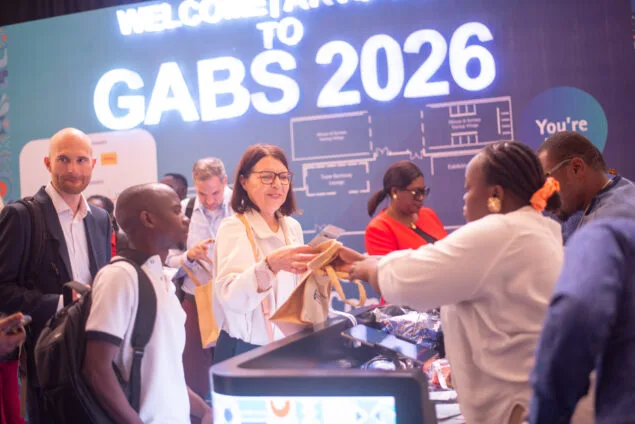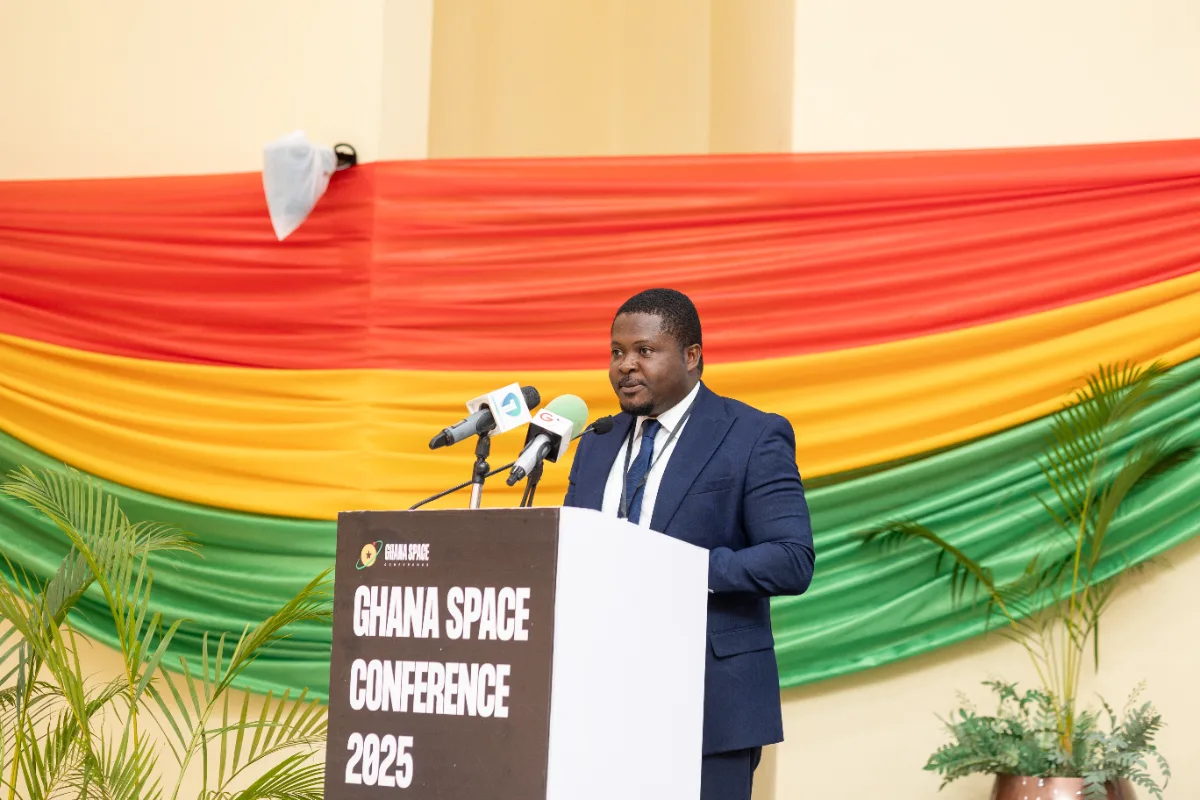
Ghana's space ambitions are running ahead of its legal framework — and that gap is becoming a serious problem. At the Ghana Space Conference 2026 in Accra, stakeholders intensified calls for the establishment of a formal Ghana Space Agency and the passage of a national space law, warning that without both, the country risks being left behind in a global space economy now valued at approximately $680 billion.
Cabinet Approval Is Not Enough
Dr. Joseph B. Tandoh, Director of the Ghana Space Science and Technology Institute, was direct: Cabinet approval for the proposed Ghana Space Agency — secured in 2025 — does not mean the agency actually exists. He stressed that formal establishment requires legislation and the right regulatory arrangements to follow through.
Dr. Tandoh says Ghana has made progress in space science and technology, but the country needs a dedicated institutional structure and clear legal framework to coordinate activities and support long-term development.
Ghana's National Space Policy was approved by Cabinet in 2022 and officially unveiled in 2024. The groundwork exists on paper. What is missing, Dr. Tandoh argued, is the institutional muscle and legal teeth to make it real.
From GhanaSat-1 to a Spaceport?
Dr. Tandoh pointed to the launch of GhanaSat-1 in 2017, through All Nations University, as a significant milestone — proof that Ghana can develop local space expertise.
He also flagged that Ghana's position along the Equator gives it a potential strategic advantage for space investments, including possible spaceport development. He noted that some companies have already expressed interest in exploring opportunities in the country — interest that a formal agency and clear law could convert into actual deals.
Reducing Dependence on Foreign Satellites
Albert Forson, a Radio Astronomy Instrumentation Engineer, made a case for owning satellite infrastructure. He argued it would reduce Ghana's reliance on foreign services and boost the country's capacity to apply space technology across critical sectors.
The Ask: Parliament Must Act
Dr. Tandoh called on Parliament and relevant government institutions to push the proposed legislation forward, saying it could strengthen regulation, attract investors, promote research, and develop local expertise all at once.
The momentum from the Ghana Space Conference 2026 is clear. The question is whether that momentum will finally translate into the law Ghana's space sector has been waiting for — and whether the country can move fast enough to claim its seat in a $680 billion global industry that is not slowing down for anyone.