Ghana joined the International Telecommunication Union in 1957 — the same year it gained independence. That history is now front and centre as the country campaigns for a renewed seat on the ITU Council and a fresh term for its representative on the Radio Regulations Board.
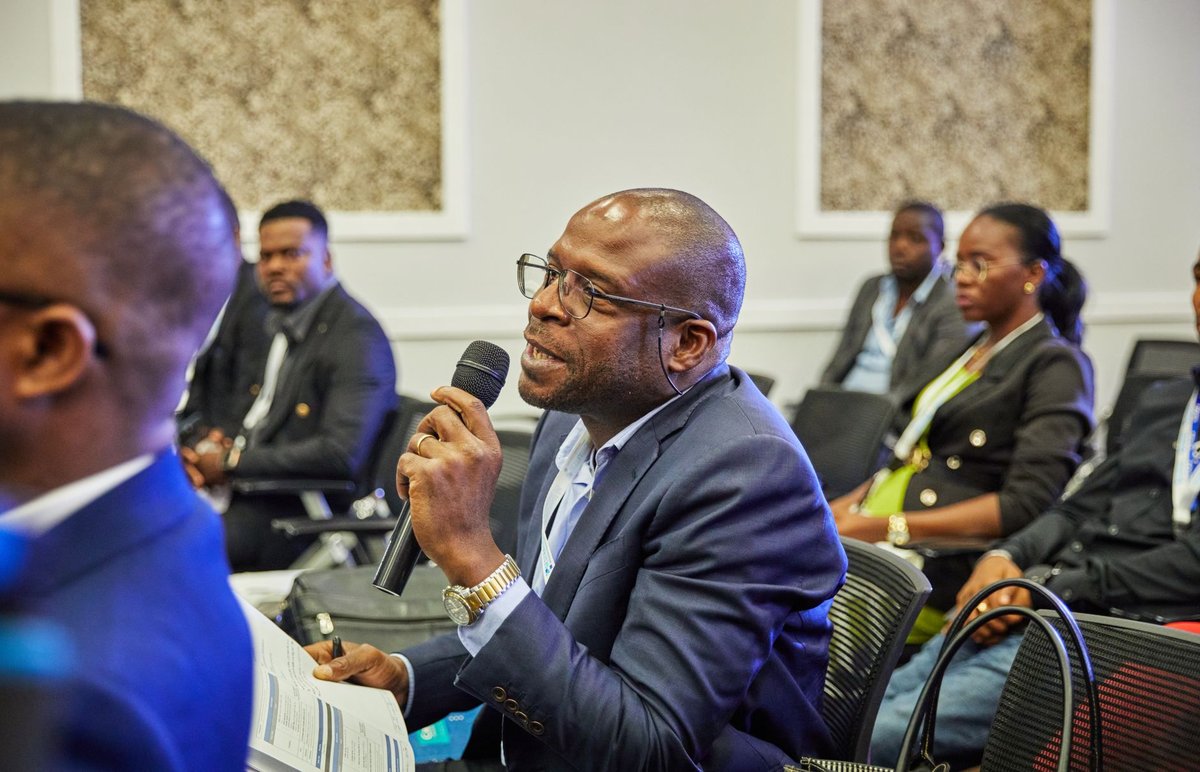
At the ITU Plenipotentiary Conference 2026 (PP-26) in Doha, Qatar, Ghana's Minister for Communication, Digital Technology and Innovations, Samuel Nartey George, hosted a Ghanaian lunch on the sidelines of the conference to rally international delegates behind both candidatures. The event served as a formal platform for Ghana to pitch its case to member states from across the globe.
24 Years on the Council — and Counting
George anchored Ghana's appeal in its track record. He pointed out that Ghana has served 24 consecutive years on the ITU Council since 2002, a run of unbroken participation that he said reflects the country's commitment to global digital governance.
The Minister detailed Ghana's contributions across the ITU's three sectors, covering regulatory reforms, financial and human resource management, and cybersecurity work — including active participation in ITU Study Group 17, which handles security-related aspects of information and communication technologies.
Ghana's cybersecurity credentials formed a notable part of the pitch. George highlighted the country's membership in the African Network of Cyber Security Authorities and the fact that the National Communications Authority has held ITU-certified training partner status since 2019. He also pointed to Ghana's hosting of the 15th African Internet Governance Forum in Accra as evidence of the country's regional leadership in digital policy — work that connects directly to Africa's broader push on digital governance.
Fianko Makes His Case for the RRB
Rev. Eng. Edmond Yirenkyi Fianko, who is seeking re-election to the Radio Regulations Board for the 2027–2030 term, also addressed delegates. He reflected on his four years of service on the RRB and stressed his commitment to applying international radio regulations with technical rigour, independence, and fairness.
Fianko said he would continue to listen to all administrations and exercise independent judgement if re-elected.
The RRB is no ceremonial body. It approves the Rules of Procedure for applying ITU Radio Regulations, adjudicates harmful radio interference disputes between member administrations, and reviews requests for deadline extensions on satellite frequency filings. The decisions it makes have real consequences for how spectrum is allocated and managed globally.
Fianko also noted a fact that strengthens Ghana's case considerably: he is currently the only sitting RRB member from Africa. That is a significant gap on a board that shapes the rules governing radio spectrum worldwide, including across the African continent where spectrum management and cybersecurity are increasingly intertwined with national security concerns.
A Coordinated Campaign
Minister George closed his remarks by urging ITU member states to back both candidatures together — the Council seat and Fianko's RRB re-election — framing them as complementary expressions of Ghana's sustained engagement with global telecommunications governance.
The PP-26 conference in Doha provided the setting for Ghana's appeal to member states. For Ghana, the stakes are clear: maintaining its voice in the institutions that set the rules for how the world communicates.